

API Tanks 101: What Are API Storage Tanks and Why Are They Important?
What Is an API Storage Tank?
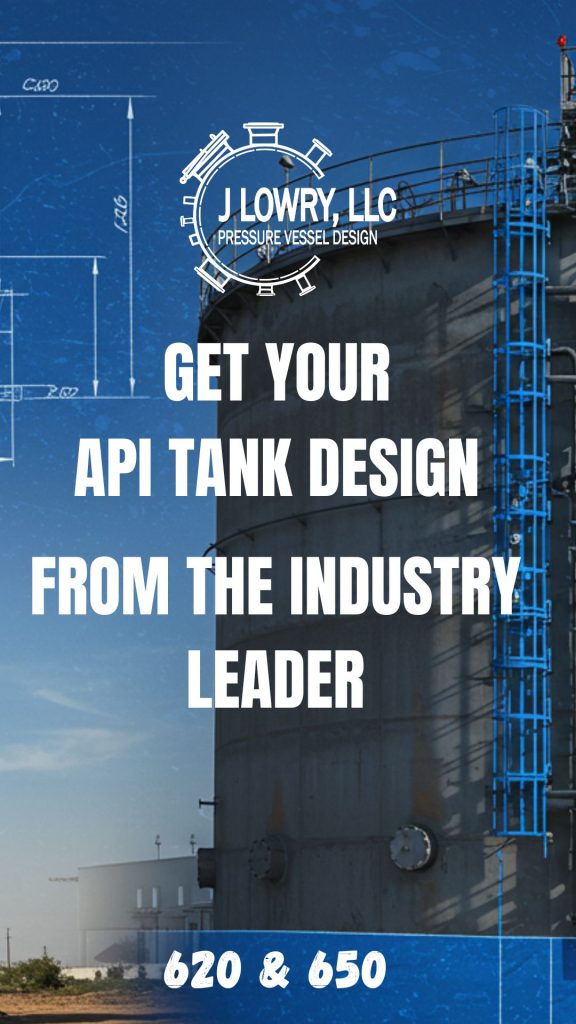
An API Tanks are a large, welded storage tank designed and constructed in accordance with standards developed by the American Petroleum Institute (API). These tanks are primarily used for atmospheric and low-pressure liquid storage, making them ideal for applications where large volumes of liquid must be safely contained.
The most common governing standards include:
- API 650 – Welded tanks for oil and petroleum product storage
- API 620 – Large, welded, low-pressure storage tanks
API tanks are not pressure vessels and are designed for near-atmospheric operating conditions.
What Are API Tanks Used For?
API tanks are widely used across industrial and municipal sectors to store bulk liquid products.
Common API tank applications include:
- Crude oil storage
- Refined petroleum products
- Chemical storage
- Water and wastewater storage
- Biofuels and industrial liquids
Industries that rely on API storage tanks:
- Oil and gas
- Petrochemical and chemical processing
- Bulk terminals and tank farms
- Power generation
- Manufacturing facilities
- Municipal infrastructure
API Tanks vs ASME Pressure Vessels
A frequent point of confusion is the difference between API storage tanks and ASME pressure vessels.
Key differences include:
- API tanks are designed for atmospheric or very low pressure service
- ASME pressure vessels are designed to contain significant internal pressure
- API tanks focus on large volume storage, while pressure vessels focus on pressure containment
Using the incorrect design standard can lead to non-compliance, safety risks, and costly redesigns
Common Types of API Storage Tanks
API storage tanks are available in multiple configurations to meet specific service requirements.
Fixed Roof Tanks
- Cone roof or dome roof designs
- Typically used for non-volatile liquids
- Common in water and oil storage applications
Floating Roof Tanks
- External floating roof tanks
- Internal floating roof tanks
- Reduce vapor losses and emissions
- Frequently used for petroleum products
Open-Top Tanks
- Often used for water and wastewater service
- Typically paired with secondary containment systems
Why API Tank Standards Matter
API tank standards establish minimum design, fabrication, and inspection requirements to promote safety, reliability, and environmental protection.
These standards help ensure:
- Structural integrity of storage tanks
- Safe containment of liquid products
- Consistent fabrication practices
- Clear inspection and maintenance criteria
- Regulatory compliance
API standards also create alignment between owners, engineers, fabricators, inspectors, and regulators.
API Tank Inspection and Lifecycle Requirements
API storage tanks require inspection throughout their service life to ensure continued safe operation.
Typical lifecycle activities include:
- Initial inspection during construction
- In-service inspections
- Out-of-service internal inspections
- Repairs, alterations, and rerating as required
Inspection, repair, and alteration of existing tanks are governed by API 653.
Why API Storage Tanks Are Widely Used
API storage tanks are trusted worldwide due to:
- Proven performance over decades of service
- Conservative design principles
- Regular updates to industry standards
- Well-defined inspection and maintenance requirements
These factors make API tanks a reliable solution for long-term liquid storage.
Summary
API storage tanks play a critical role in modern industrial operations by providing safe, reliable storage for large volumes of liquid. Designed to API standards, these tanks support operational efficiency, environmental protection, and regulatory compliance across multiple industries.
Understanding the fundamentals of API tanks helps owners and operators make informed decisions throughout a tank’s lifecycle—from design and fabrication to inspection and maintenance.
From Our Partner Site