

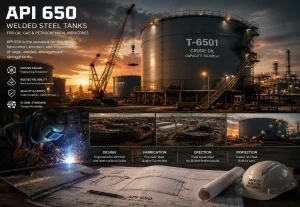
- See All Articles
- API Tanks
- ASME
- Boiler
- Dehydration Unit
- Fabrication
- Heat Exchangers
- Piping
- Production Drawings
- Repair and Alteration
- Separators
- Skid-Mounted
- Stamps
- Training Videos
- Vessel Knowledge
- Back
- Shell and Tube Heat Exchangers
- Air-Cooled Heat Exchangers
- Compact Heat Exchangers
- Other Heat Exchangers
- Back
- Sand Separators
- Three Phase Separators
- Two Phase Separators
- Gas Separator
- Magnetic Separators
- Liquid Separators
- Back
- Joint Review
- U Stamp
- UM Stamp
- PP Stamp
- S Stamp
- U2 Stamp
- H Stamp
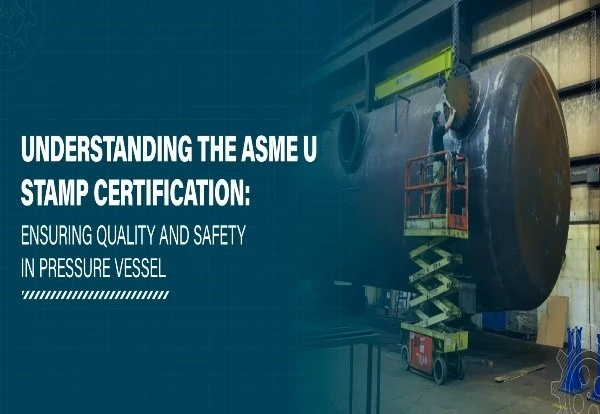
A U-Stamp is a certification mark issued by the National Board of Boiler and Pressure Vessel Inspectors (NBBPVI). It signifies that a pressure vessel has been manufactured and inspected in accordance with the rigorous standards outlined in the ASME® Boiler and Pressure Vessel Code...
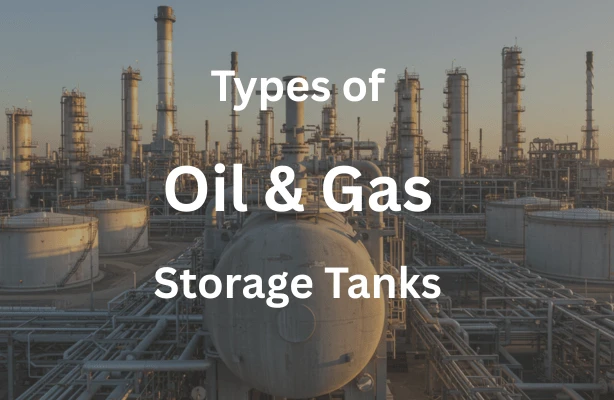
Check out this picture of different types of Oil and Gas Storage Tanks
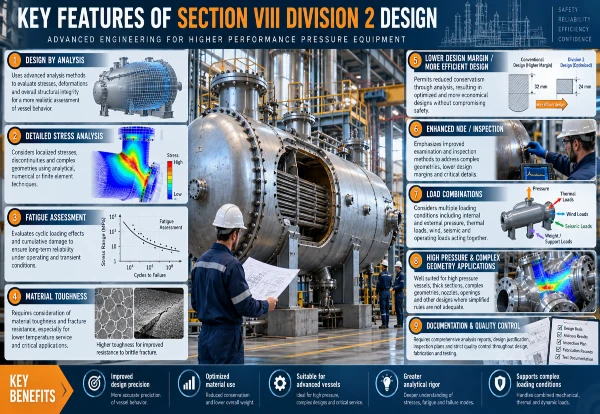
ASME® Section VIII, Division 2 provides an alternative design approach to pressure vessel construction by allowing higher design stress levels in exchange for more rigorous design analysis, material testing, and quality control.
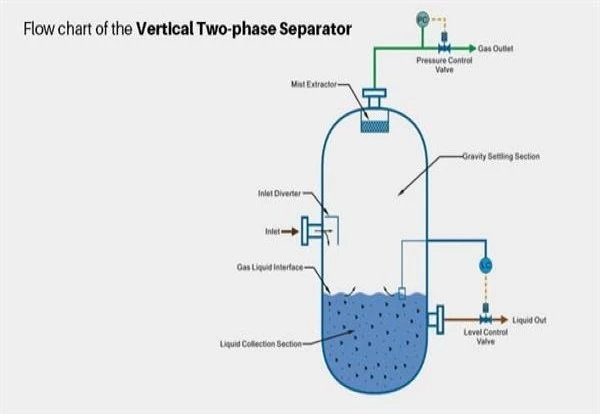
A vertical separator is a cylindrical vessel that is oriented vertically. When a gas-liquid mixture enters the separator, the heavier liquid phase settles to the bottom, while the lighter gas phase rises to the top. The liquid phase is then drawn off through a...
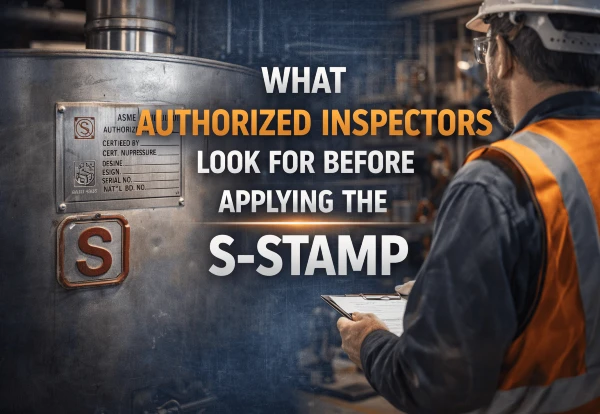
If the S-Stamp is the finish line, the Authorized Inspector (AI) is the gatekeeper holding the stopwatch. Before that stamp ever touches a boiler, inspectors are verifying far more than weld quality or paperwork completeness. They’re answering one critical question:
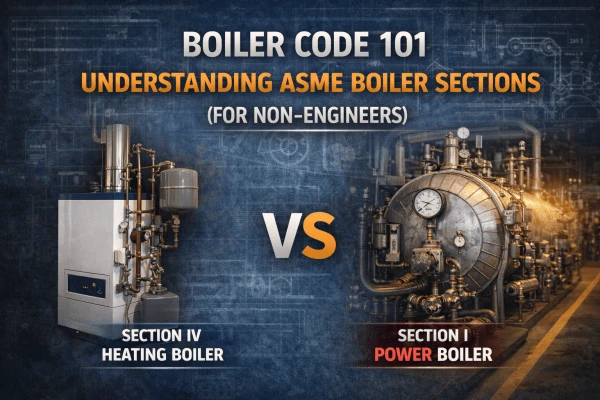
ASME boiler codes can sound intimidating, especially if you’re not an engineer by trade. The good news? You don’t need to memorize the Code to understand the basics.
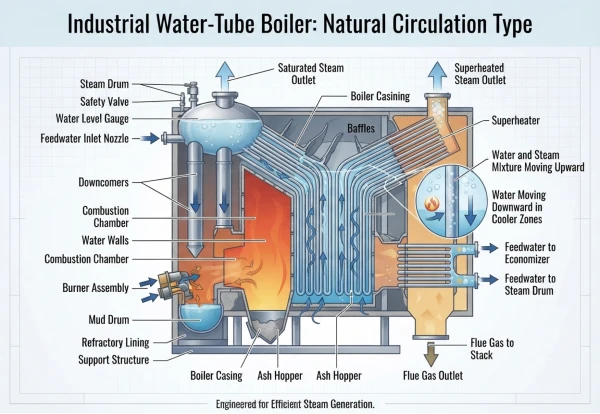
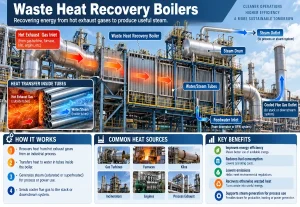
A water-tube boiler is a type of boiler where water circulates inside the tubes, and hot combustion gases flow around the outside of those tubes. This design is ideal for high-pressure applications and large steam outputs, making it the go-to choice for power plants,...
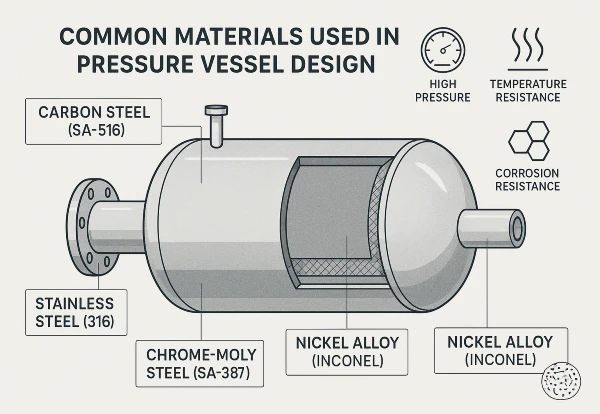
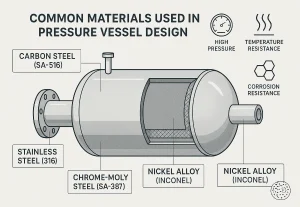
When it comes to designing pressure vessels, one of the most critical decisions engineers face is selecting the right material. In high-pressure environments, the wrong choice can lead to catastrophic failure, regulatory violations, or costly downtime. The right material, on the other hand, ensures...
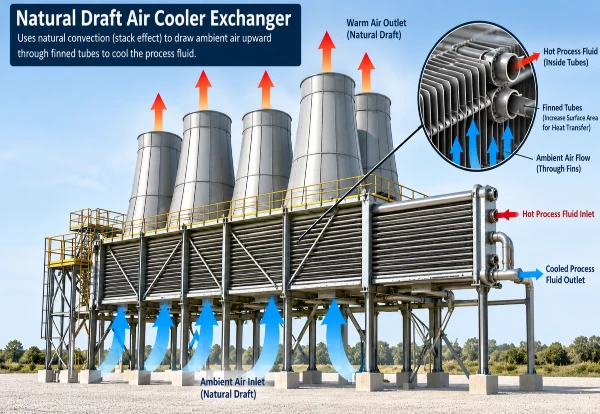
A natural draft air cooler typically consists of a tall, tower-like structure with a large number of finned tubes. The hot process fluid flows through the tubes, and the heat is transferred to the surrounding air. The heated air rises due to natural convection,...
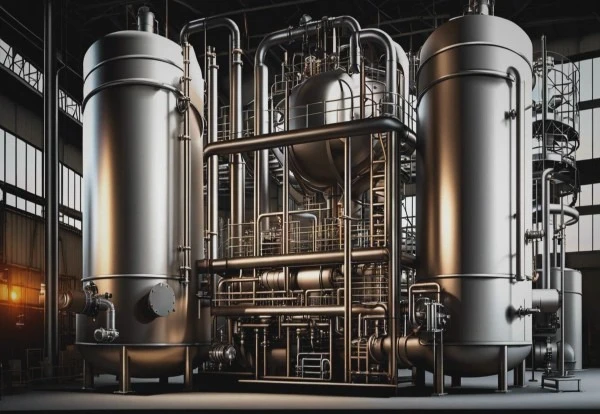
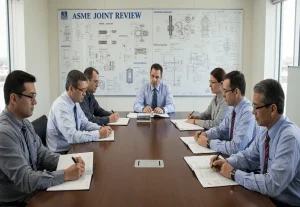
Obtaining and maintaining multiple ASME® Stamp Certificates of Authorization (COAs) can be a complex endeavor for manufacturers and fabricators. This blog post will delve into the challenges and strategies associated with managing multiple COAs, focusing on the ASME® Boiler and Pressure Vessel Code (BPVC).
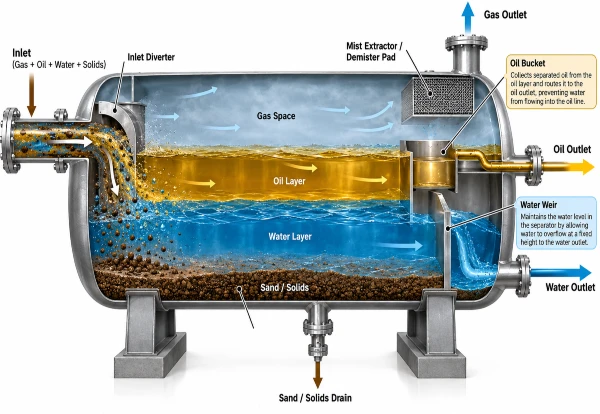
In a horizontal three-phase separator with an oil bucket and water weir, the vessel does not require an active interface controller. As the oil separates on top of the water it spills over the weir plate and into the oil bucket. The oil level...
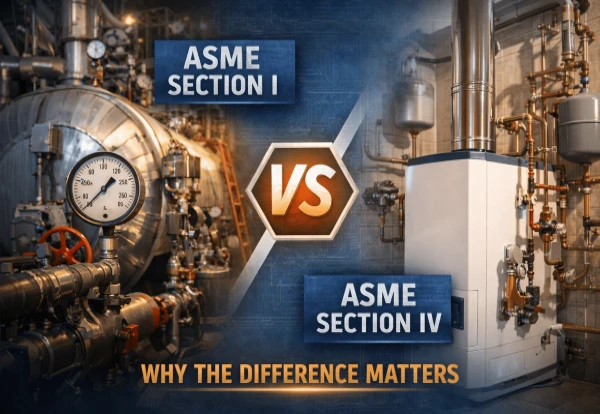
Learn the key differences between ASME Section I and Section IV boilers, including pressure limits, inspection requirements, and why choosing the right code matters for safety and compliance.
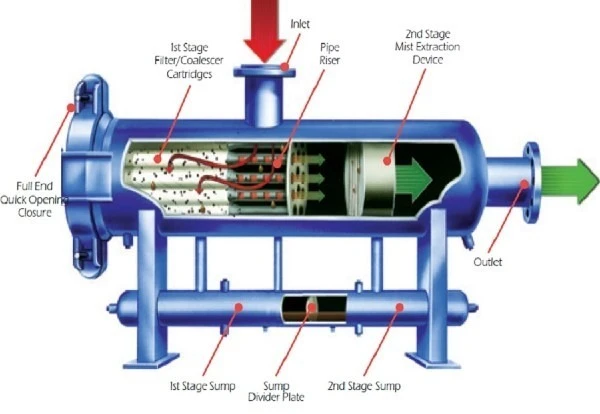
Filter separators are widely used in various industries to remove solid particles from liquid streams. They are essential for maintaining product quality, protecting downstream equipment, and ensuring efficient processes.
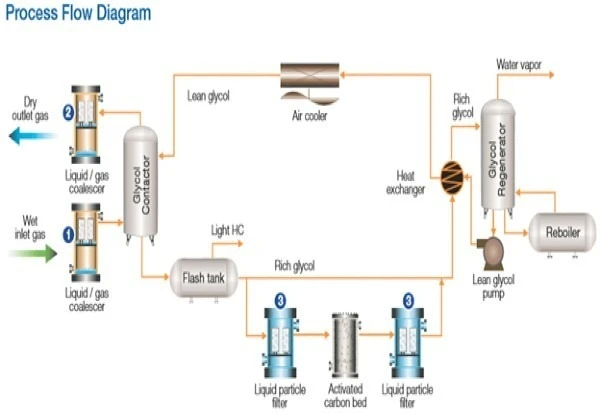
The temperature of the glycol entering the contactor has a significant effect on the gas dew point depression and should be held to within 10oF above the inlet gas temperature. Higher glycol losses and higher outlet gas dew points occur when the lean glycol...
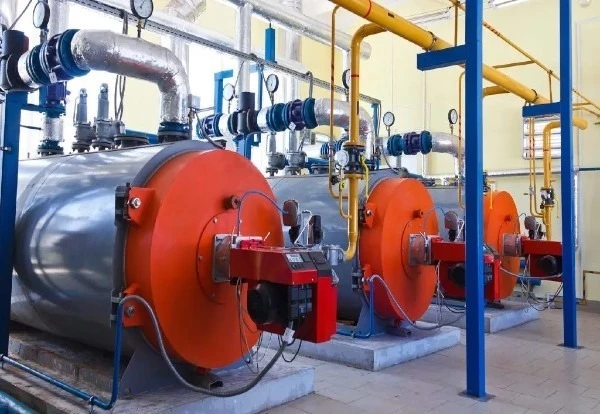
An S-Stamp is a certification mark issued by the National Board of Boiler and Pressure Vessel Inspectors (NBBPVI). It signifies that a manufacturer is authorized to build and stamp power boilers, which are pressure vessels designed to generate steam for various applications, such as...
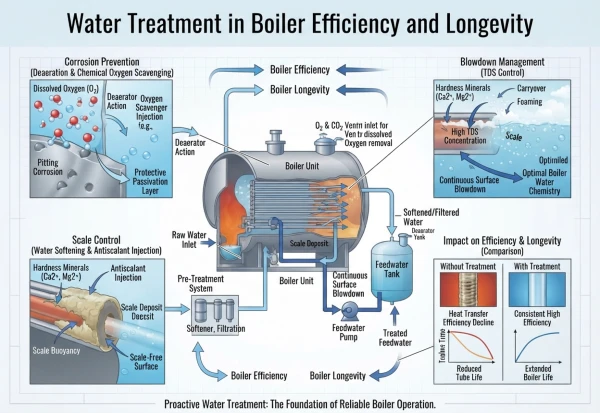
A boiler is only as healthy as the water that feeds it. Without proper treatment, boiler feedwater can quietly degrade system performance, corrode metal surfaces, and drastically reduce equipment lifespan.
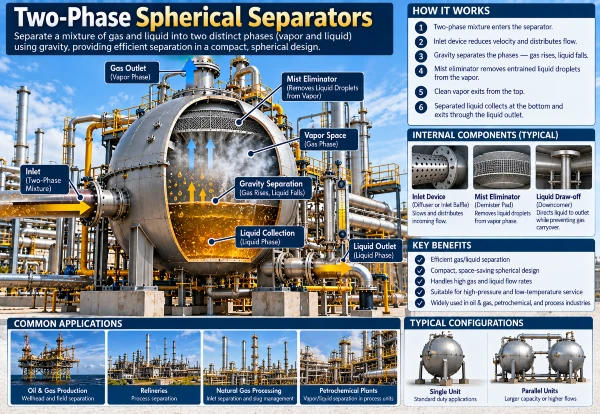
Two-Phase Spherical Separators operate on the principle of gravity separation. When a gas-liquid mixture enters the vessel, the heavier liquid phase settles to the bottom, while the lighter gas phase rises to the top. The unique spherical shape of the vessel promotes efficient separation...
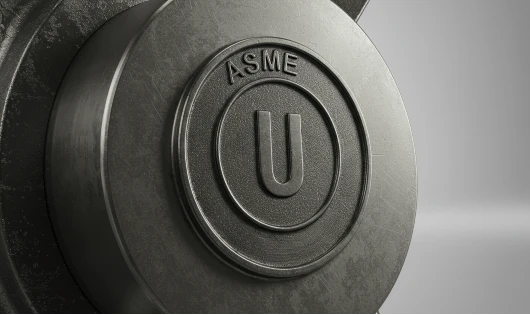
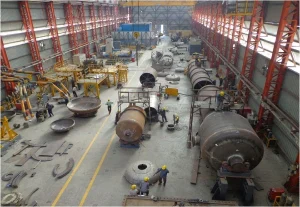
Certification is a pinnacle achievement for fabrication shops, signifying a commitment to excellence and adherence to rigorous quality standards. This distinction sets certified shops apart from those lacking formal documentation, solidifying their reputation for producing world-class products.
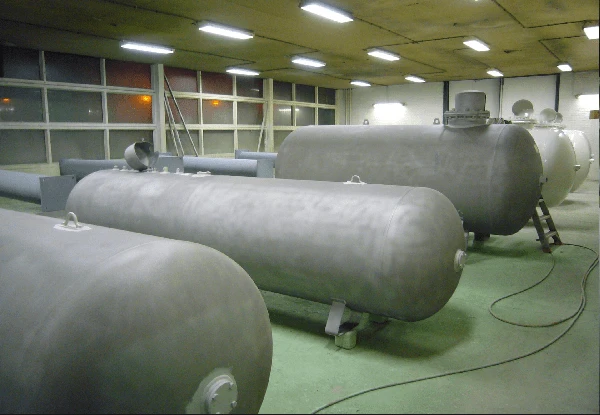
Obtaining a U-Stamp or U2-Stamp from the National Board of Boiler and Pressure Vessel Inspectors (NBBPVI) is a significant achievement for manufacturers and fabricators of pressure vessels and boilers. These certifications signify adherence to rigorous quality, safety, and performance standards.
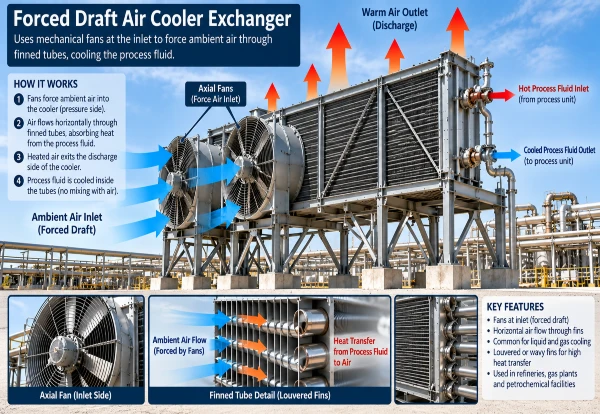
A forced draft air cooler typically consists of a bundle of finned tubes arranged in a specific configuration. The process fluid flows through the tubes, while air is forced across the fins by fans. The heat from the process fluid is transferred to the...
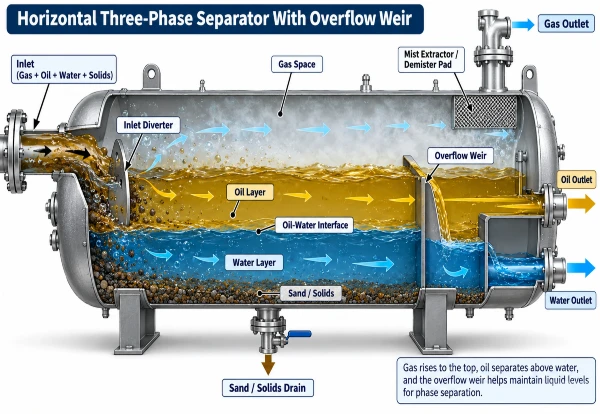
In a horizontal three-phase separator with an overflow weir, fluid enters the vessel through an inlet and immediately hits an inlet diverter. The sudden impact and change of direction helps to release the gas by breaking the surface tension of the liquid.
- See All Articles
- API Tanks
- ASME
- Boiler
- Dehydration Unit
- Fabrication
- Heat Exchangers
- Piping
- Production Drawings
- Repair and Alteration
- Separators
- Skid-Mounted
- Stamps
- Training Videos
- Vessel Knowledge
- Back
- Shell and Tube Heat Exchangers
- Air-Cooled Heat Exchangers
- Compact Heat Exchangers
- Other Heat Exchangers
- Back
- Sand Separators
- Three Phase Separators
- Two Phase Separators
- Gas Separator
- Magnetic Separators
- Liquid Separators
- Back
- Joint Review
- U Stamp
- UM Stamp
- PP Stamp
- S Stamp
- U2 Stamp
- H Stamp
A U-Stamp is a certification mark issued by the National Board of Boiler and Pressure Vessel Inspectors (NBBPVI). It signifies that a pressure vessel has been manufactured and inspected in accordance with the rigorous standards outlined in the ASME® Boiler and Pressure Vessel Code...
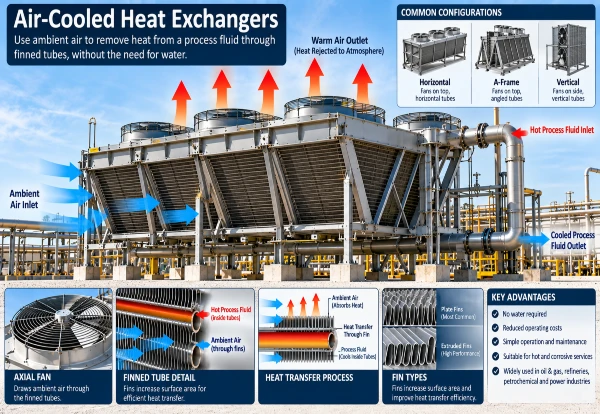
Air-cooled heat exchangers typically consist of a bundle of tubes through which the process fluid flows. Fins are attached to the tubes to increase the surface area for heat transfer. Air is forced or drawn across the finned tubes, removing heat from the process...
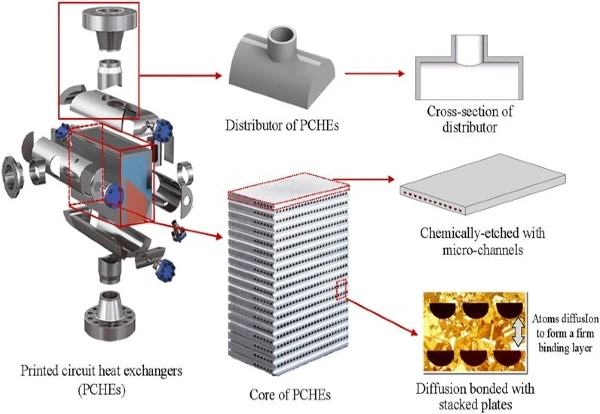
Printed Circuit Heat Exchangers (PCHEs) are a specialized type of heat exchanger that offers exceptional heat transfer performance in a compact footprint. They are widely used in industries such as aerospace, automotive, and electronics. PCHEs consist of a stack of thin metal plates, etched...
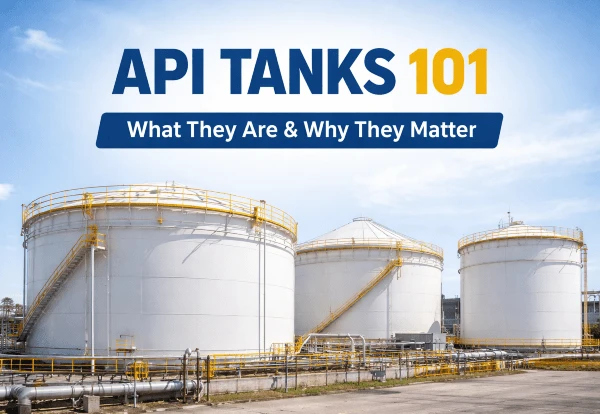
An API storage tank is a large, welded storage tank designed and constructed in accordance with standards developed by the American Petroleum Institute (API).
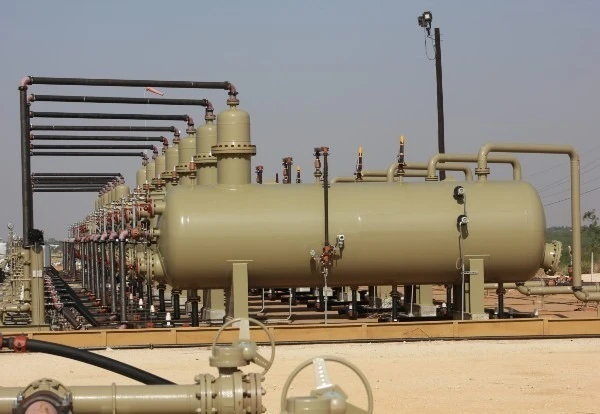
Produced well fluids consist of various amounts of oil, water, natural gas, and sediment. The first step in oil and gas production is to split the flow up into its individual components with a separator. A three-phase separator uses gravity to separate produced well...
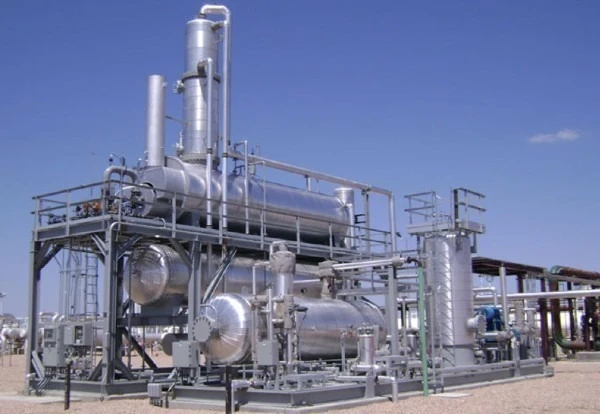
Glycol dehydrators, also known as gas dehydrators or TEG units, are used to remove water vapor from natural gas. The process of dehydration is important for two reasons.
Certification is a pinnacle achievement for fabrication shops, signifying a commitment to excellence and adherence to rigorous quality standards. This distinction sets certified shops apart from those lacking formal documentation, solidifying their reputation for producing world-class products.
If the S-Stamp is the finish line, the Authorized Inspector (AI) is the gatekeeper holding the stopwatch. Before that stamp ever touches a boiler, inspectors are verifying far more than weld quality or paperwork completeness. They’re answering one critical question:
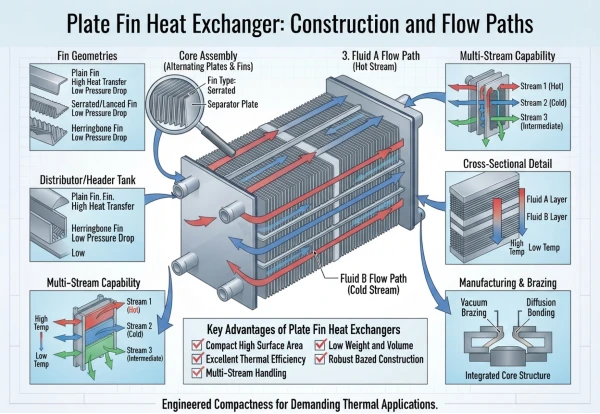
Plate and frame heat exchangers are a type of heat exchanger that uses a series of corrugated plates to transfer heat between two fluids. The plates are stacked together, forming narrow channels through which the fluids flow. This design allows for a large heat...
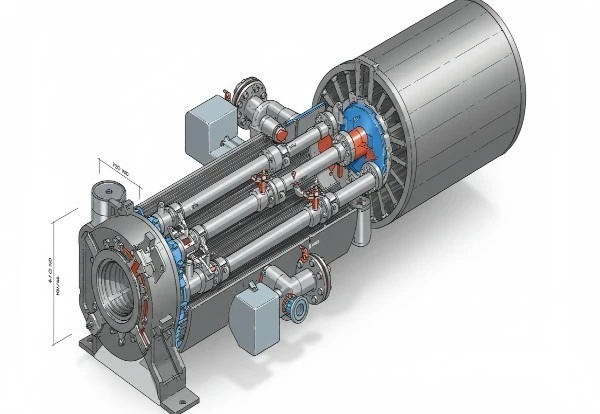
Cold heat exchangers, also known as condensers, are essential components in refrigeration and air conditioning systems. They transfer heat from a refrigerant to a cooling medium, typically air or water, to condense the refrigerant vapor into a liquid state.
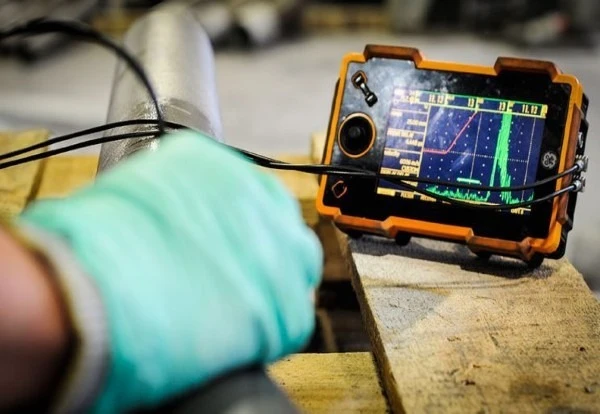
Pictured above: Non-Destructive-Testing Common NDE Techniques Used in U-Stamp Certification: Non-Destructive Examination (NDE) is a crucial aspect of the manufacturing process for pressure vessels and boilers. It involves a variety of techniques to detect flaws and defects without damaging the material. For U-Stamp certified...
Check out this picture of different types of Oil and Gas Storage Tanks
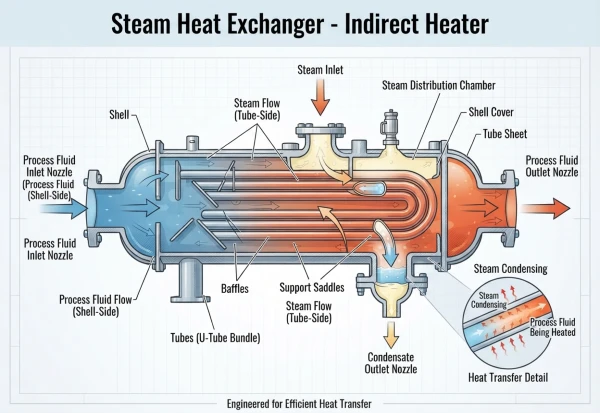
Steam Heat Exchanger - Indirect Heater is used to heat the well effluent after it flows out of the well and prior to the separating process. This type of heat exchanger is also called a direct heating furnace which allows it to heat up...
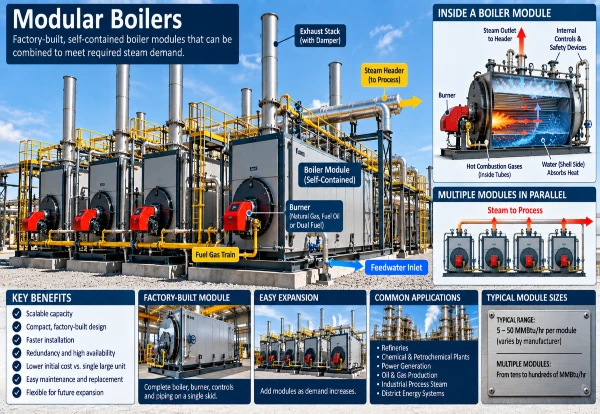
Modular boilers are compact, factory-assembled boiler units designed to work together in a series — offering scalable steam or hot water generation based on demand. Rather than relying on a single large boiler, modular systems operate with multiple small units that can be staged...
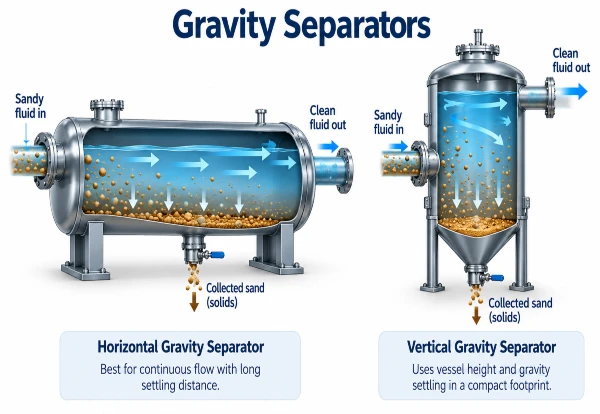
Gravity separators are a fundamental type of separation equipment that leverages the principle of density difference to separate solid particles from liquids or different liquid phases from each other. They are widely used in various industries, including oil and gas, water treatment, and mining.
In a horizontal three-phase separator with an overflow weir, fluid enters the vessel through an inlet and immediately hits an inlet diverter. The sudden impact and change of direction helps to release the gas by breaking the surface tension of the liquid.
Two-Phase Spherical Separators operate on the principle of gravity separation. When a gas-liquid mixture enters the vessel, the heavier liquid phase settles to the bottom, while the lighter gas phase rises to the top. The unique spherical shape of the vessel promotes efficient separation...
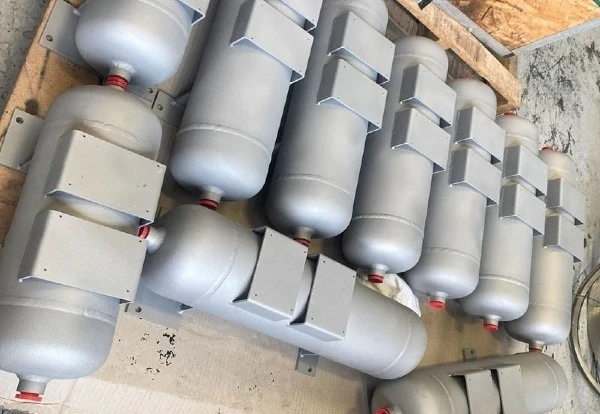
A UM-Stamp is a certification mark issued by the National Board of Boiler and Pressure Vessel Inspectors (NBBPVI). It authorizes a manufacturer to repair and alter existing pressure vessels and boilers. This certification ensures that repairs and alterations are performed in accordance with the...

In this must-watch episode, we break down the major updates in the 2025 edition of the ASME Boiler and Pressure Vessel Code (BPVC), released on July 1, 2025, and mandatory starting January 1, 2026. Whether you're a manufacturer, purchaser, designer, inspector, or anyone working...
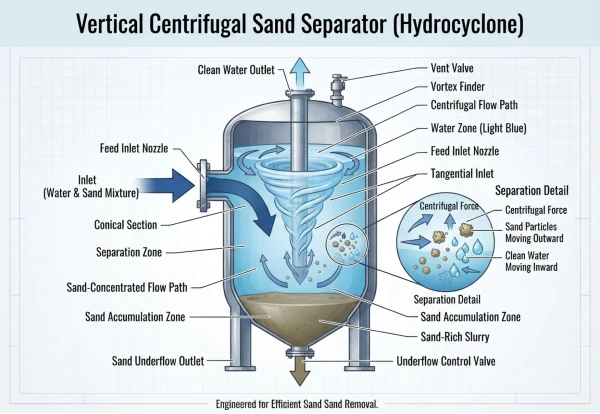
Sand Separators. In the oil and gas industry, it is more commonly known as a separator and is a core component of extracting oil from earth and sand. Sand separators are an integral part in protecting downstream production equipment from well-formation sand and/or frac...
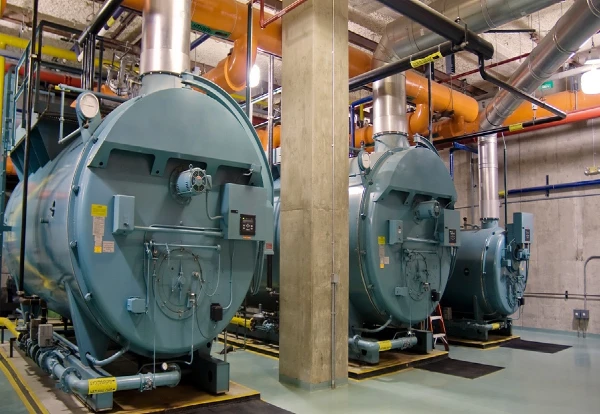
In industrial operations, boiler downtime isn’t just an inconvenience—it’s a profit killer. Whether it’s lost production, emergency repair costs, or compliance penalties, a boiler failure can have far-reaching impacts. Fortunately, many of these issues are preventable with a strong, proactive maintenance strategy. In this...