
Navigating the Complexities of Multiple ASME Stamp Certificates of Authorization
Obtaining and maintaining multiple ASME Stamp Certificates of Authorization (COAs) can be a complex endeavor for manufacturers and fabricators. This blog post will delve into the challenges and strategies associated with managing multiple COAs, focusing on the ASME® Boiler and Pressure Vessel Code (BPVC).
Why Multiple COAs Might Be Necessary:
- Diverse Product Range: Manufacturers producing a wide range of pressure vessels and boilers may require multiple COAs to cover different product categories.
- Multiple Manufacturing Facilities: Companies with multiple manufacturing facilities may need separate COAs for each location.
- Expanding Business Operations: As a company expands into new markets or product lines, additional COAs may be necessary.
Challenges of Managing Multiple COAs:
- Administrative Burden: Tracking multiple COAs, renewal dates, and regulatory requirements can be time-consuming and complex.
- Increased Costs: The fees associated with multiple COAs can add up significantly.
- Compliance Risks: Non-compliance with any of the COAs can lead to penalties and legal consequences.
Strategies for Efficiently Managing Multiple COAs:
- Centralized Tracking System:
- Implement a centralized system to track the status of each COA.
- Use a calendar or project management tool to schedule renewals and compliance deadlines.
- Dedicated Compliance Team:
- Assign a dedicated team to manage COA compliance.
- This team can monitor regulatory changes, prepare renewal applications, and coordinate with the National Board of Boiler and Pressure Vessel Inspectors (NBBPVI).
- Leverage Technology:
- Utilize software tools to automate tasks such as document management, renewal reminders, and reporting.
- Consult with Regulatory Experts:
- Seek guidance from regulatory experts to ensure compliance with the ASME BPVC and other relevant standards.
- They can help identify potential challenges and develop effective strategies to address them.
- Proactive Communication with the NBBPVI:
- Maintain open communication with the NBBPVI to address any questions or concerns promptly.
- Proactive communication can help prevent misunderstandings and delays.
Key Design Considerations for ASME Stamped Products:
- Material Selection: The materials used must comply with the ASME BPVC and other applicable standards.
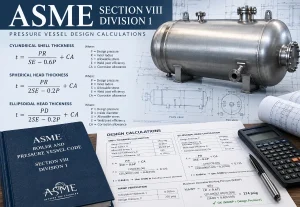
- Design Calculations: Design calculations must be performed in accordance with the ASME BPVC.
- Manufacturing Processes: Welding, fabrication, and other manufacturing processes must be performed in accordance with the ASME BPVC.
- Non-Destructive Examination (NDE): NDE techniques, such as radiography, ultrasonic testing, and magnetic particle inspection, must be used to verify the quality of welds and other components.
- Hydrostatic Testing: Pressure vessels and boilers must undergo hydrostatic testing to verify their structural integrity.
By following these strategies and adhering to the stringent requirements of the ASME BPVC, manufacturers can effectively manage multiple COAs and ensure the quality and safety of their products.