

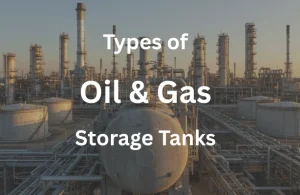
Types of Storage Tanks
Types of Oil and Gas Storage Tanks
Check out this picture of different types of Oil and Gas Storage Tanks
Check out this picture of different types of Oil and Gas Storage Tanks
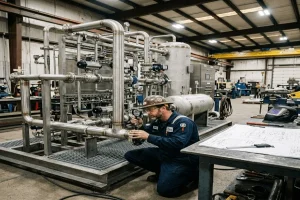
Skid-mounted units, often referred to simply as “skids,” are self-contained process systems or equipment packages that are fabricated
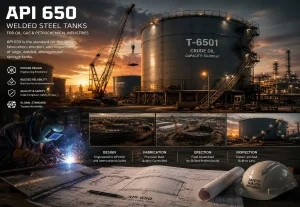
API 650 and API 653 are two of the most common standards associated with aboveground storage tanks. Because both are connected to API storage tanks, they are sometimes confused with each other.
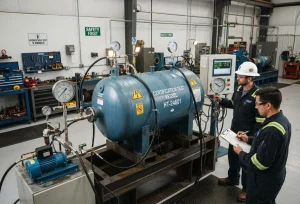
Before a pressure vessel ever goes into service, it must prove its integrity. One of the most critical steps in this process is hydrostatic testing—a time-tested method for ensuring that a vessel can safely handle its intended pressure load.
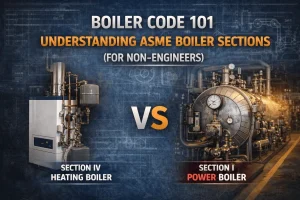
ASME boiler codes can sound intimidating, especially if you’re not an engineer by trade. The good news? You don’t need to memorize the Code to understand the basics.
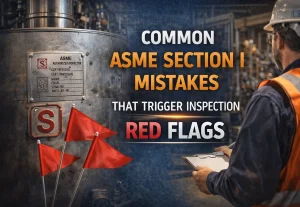
This article highlights the most common ASME Section I mistakes that trigger inspection red flags, why inspectors care about them, and how to avoid unnecessary pain at the worst possible time.
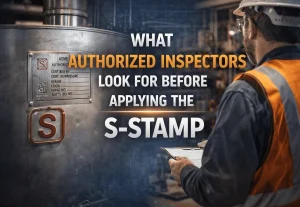
If the S-Stamp is the finish line, the Authorized Inspector (AI) is the gatekeeper holding the stopwatch. Before that stamp ever touches a boiler, inspectors are verifying far more than weld quality or paperwork completeness. They’re answering one critical question:
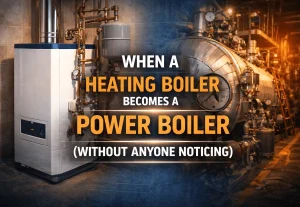
Learn how heating boilers unintentionally cross into ASME Section I power boiler classification, what inspectors look for, and how to avoid costly compliance surprises.
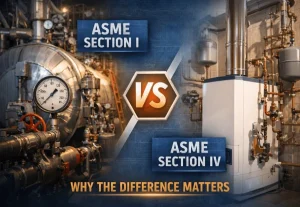
Learn the key differences between ASME Section I and Section IV boilers, including pressure limits, inspection requirements, and why choosing the right code matters for safety and compliance.
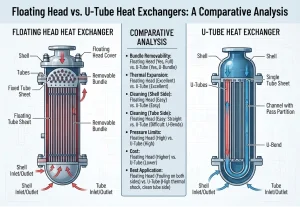
Shell and tube heat exchangers are a common type of heat exchanger used in various industries. Within this category, two primary designs stand out: floating head and U-tube. Each design has its own advantages and disadvantages, making it suitable for specific applications.