What Is ASME Section I?
ASME Section I Power Boilers: A Practical Guide
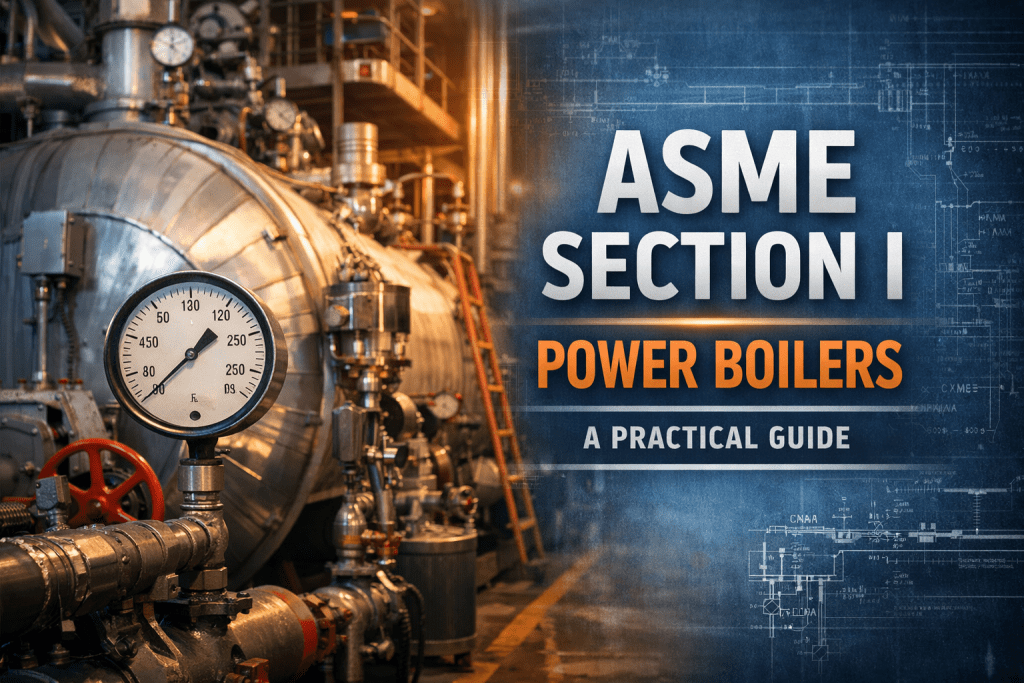
ASME Section I applies to power boilers operating at:
- Pressures exceeding 15 psi for steam, or
- Temperatures above 250°F for water
These boilers are typically found in:
- Power plants
- Refineries and chemical facilities
- Pulp and paper mills
- Large manufacturing operations
- Institutional and district energy systems
Unlike heating boilers (covered under ASME Section IV), Section I boilers operate at conditions where failure is catastrophic, not inconvenient.
Why ASME Section I Exists
Early boiler failures were… dramatic. Explosions, loss of life, and significant property damage were common before standardized rules existed.
ASME Section I was developed to:
- Establish minimum safety requirements
- Ensure consistent design practices
- Define acceptable materials and fabrication methods
- Require independent inspection and certification
The result? Safer boilers, safer facilities, and safer people.
What ASME Section I Covers
ASME Section I is not a “how to operate a boiler” manual—it focuses on construction and certification. Key areas include:
1. Design Requirements
- Maximum allowable working pressure (MAWP)
- Design temperatures
- Required safety margins
- Stress calculations and allowable stresses
2. Materials
Only ASME‑approved materials may be used.
Requirements include:
- Material specifications (SA‑numbers)
- Traceability to mill test reports
- Impact testing where required
- Proper material identification throughout fabrication
Material control is critical—substitutions are not casual decisions.
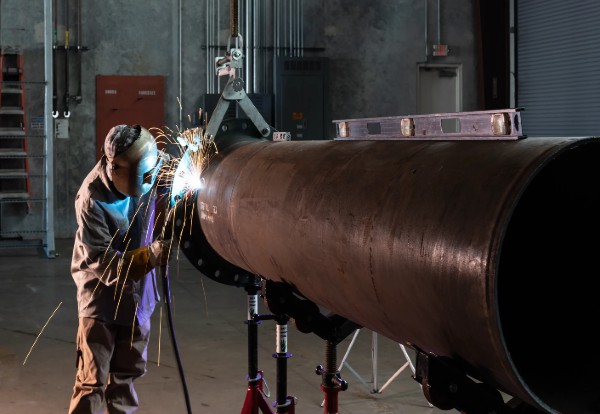
3. Fabrication & Welding
Section I places heavy emphasis on welding quality:
- Welders must be qualified
- Welding procedures must be approved (WPS/PQR)
- Joint designs must meet code rules
- Heat treatment (PWHT) requirements must be followed
Poor welding is one of the fastest ways to turn steel into shrapnel. Section I knows this.
4. Inspection & Testing
This is where the Authorized Inspector (AI) enters the chat.
Required activities include:
- In‑process inspections
- Verification of material and weld documentation
- Hydrostatic pressure testing
- Final inspection prior to certification
The AI represents the jurisdiction and ensures the boiler truly meets code—not just on paper.
5. Certification & Stamping
Once all requirements are satisfied, the boiler receives:
- ASME Code Symbol Stamp (S‑Stamp)
- Manufacturer’s Data Report (MDR)
This stamp is not decorative—it is legal proof the boiler complies with ASME Section I and is eligible for installation.
What ASME Section I Does Not Cover
This is a common misconception.
ASME Section I does not govern:
- Boiler operation
- Maintenance practices
- Operator licensing
- Repairs and alterations (covered by NBIC)
Those areas fall under jurisdictional regulations and other standards.
ASME Section I vs. Other Boiler Sections
Section | Applies To |
Section I | Power Boilers (high pressure / temperature) |
Section IV | Heating Boilers (lower pressure/temperature) |
Section VIII | Pressure Vessels (not boilers) |
NBIC | Repairs & Alterations |
Why ASME Section I Matters to Owners & Engineers
For owners:
- Ensures regulatory acceptance
- Reduces risk and liability
- Protects people and assets
For engineers:
- Provides clear design boundaries
- Ensures material and fabrication consistency
- Establishes inspection accountability
For inspectors:
- Creates a common technical language
- Defines authority and responsibility
- Supports consistent enforcement
ASME Section I vs. Other Boiler Sections
Final Thoughts
ASME Section I isn’t just a code—it’s the accumulated hard lessons of over a century of boiler experience.
When followed correctly, it transforms extreme pressure and temperature into something remarkably controlled. Ignore it, shortcut it, or misunderstand it—and the consequences escalate fast.
In the world of power boilers, ASME Section I is the line between engineered energy and engineered disaster prevention.
From Our Sponsors

Need help interpreting Section I requirements, working with Authorized Inspectors, or explaining code rules to non‑engineers? That’s where good documentation—and good conversations—make all the difference.