

Boiler Code 101: Understanding ASME Boiler Sections (For Non-Engineers)
ASME boiler codes can sound intimidating, especially if you’re not an engineer by trade. The good news? You don’t need to memorize the Code to understand the basics.
Learn how heating boilers unintentionally cross into ASME Section I power boiler classification, what inspectors look for, and how to avoid costly compliance surprises.
Learn the key differences between ASME Section I and Section IV boilers, including pressure limits, inspection requirements, and why choosing the right code matters for safety and compliance.
ASME Section I of the Boiler and Pressure Vessel Code (BPVC) governs the design, construction, and certification of power boilers—the heavy hitters used to generate steam or high‑temperature water for power generation, industrial processes, and large facilities. This section exists for one reason above all others: safety through standardization.
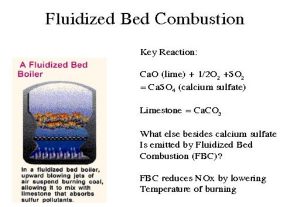
Fluidized bed boilers (FBBs) use a unique combustion method where solid fuel particles are suspended in an upward flow of air — creating a fluid-like state. This allows for highly efficient combustion at lower temperatures with improved emissions control.
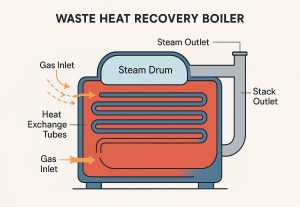
Waste heat recovery boilers (WHRBs) capture hot exhaust gases from industrial processes or engines and use that heat to generate steam or hot water — without burning additional fuel.
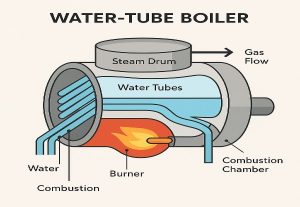
A water-tube boiler is a type of boiler where water circulates inside the tubes, and hot combustion gases flow around the outside of those tubes. This design is ideal for high-pressure applications and large steam outputs, making it the go-to choice for power plants, refineries, chemical processing, and other heavy-duty industries.
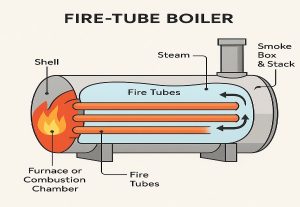
A fire-tube boiler is a type of boiler where hot gases pass through tubes, which are surrounded by water. It's one of the most common boiler types used in low- to medium-pressure steam applications — especially in heating systems, commercial buildings, and smaller industrial plants.