
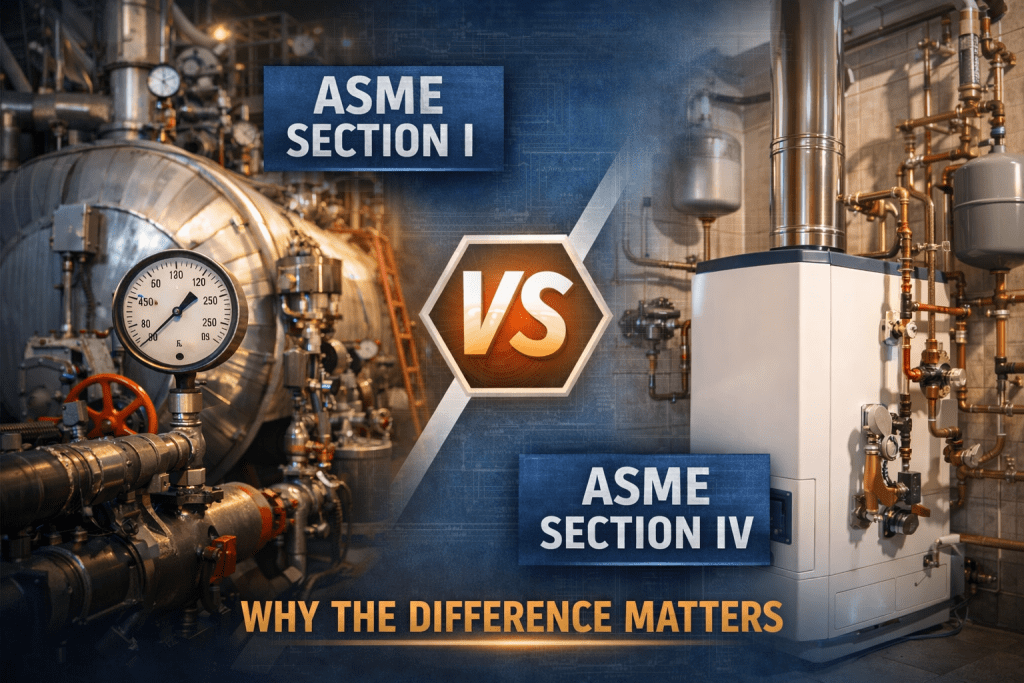
ASME Section I vs Section IV: Key Differences Every Boiler Owner Should Know
Choosing the wrong ASME boiler code isn’t a small paperwork issue—it’s a project-stopping, inspection-failing, budget-burning problem.
This guide breaks it down clearly, practically, and without Code-induced headaches.
Quick Overview: Section I vs. Section IV
Topic | ASME Section I | ASME Section IV |
Boiler Type | Power Boilers | Heating Boilers |
Steam Pressure | Above 15 psi | 15 psi or less |
Hot Water Temp | Above 250°F | 250°F or less |
Typical Use | Power generation & industrial processes | Building heat & hot water |
Code Stamp | S-Stamp | H-Stamp |
Risk Level | High | Moderate |
If your boiler crosses either the pressure or temperature threshold, Section I applies—no exceptions, no loopholes.
What Is ASME Section I?
ASME Section I governs power boilers operating at elevated pressures and temperatures where stored energy presents a significant hazard.
These boilers are commonly found in:
- Power plants
- Refineries
- Chemical and petrochemical facilities
- Pulp and paper mills
- Large industrial campuses
Section I emphasizes:
- Conservative design margins
- Strict material controls
- Qualified welding and procedures
- Mandatory Authorized Inspector involvement
- Formal certification and data reporting
This is the “no shortcuts allowed” side of boiler construction.
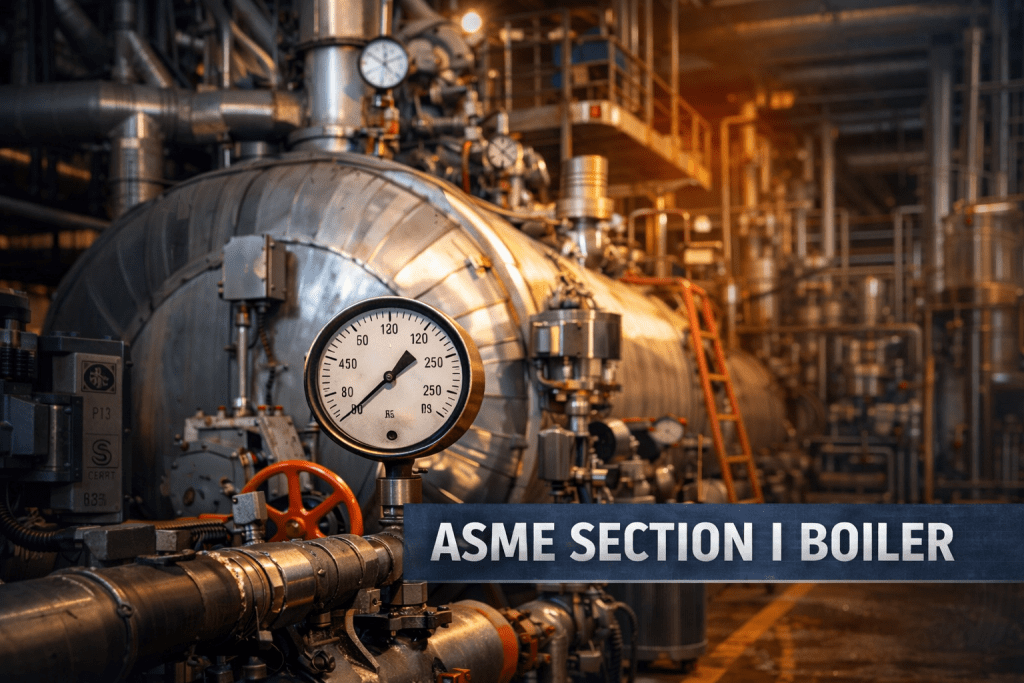
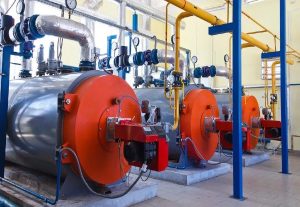
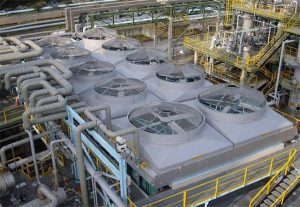
Pictured above: ASME Section I governs power boilers operating at elevated pressures and temperatures where stored energy presents a significant hazard.
What Is ASME Section IV?
ASME Section IV covers heating boilers used primarily for comfort heating and domestic hot water.
Typical installations include:
- Commercial buildings
- Schools and universities
- Hospitals
- Apartment complexes
- Small institutional facilities
Section IV still prioritizes safety, but:
- Design rules are less complex
- Pressures and temperatures are lower
- Fabrication requirements are reduced
- Inspection requirements are streamlined
It’s designed for systems where failure is serious—but not catastrophic.
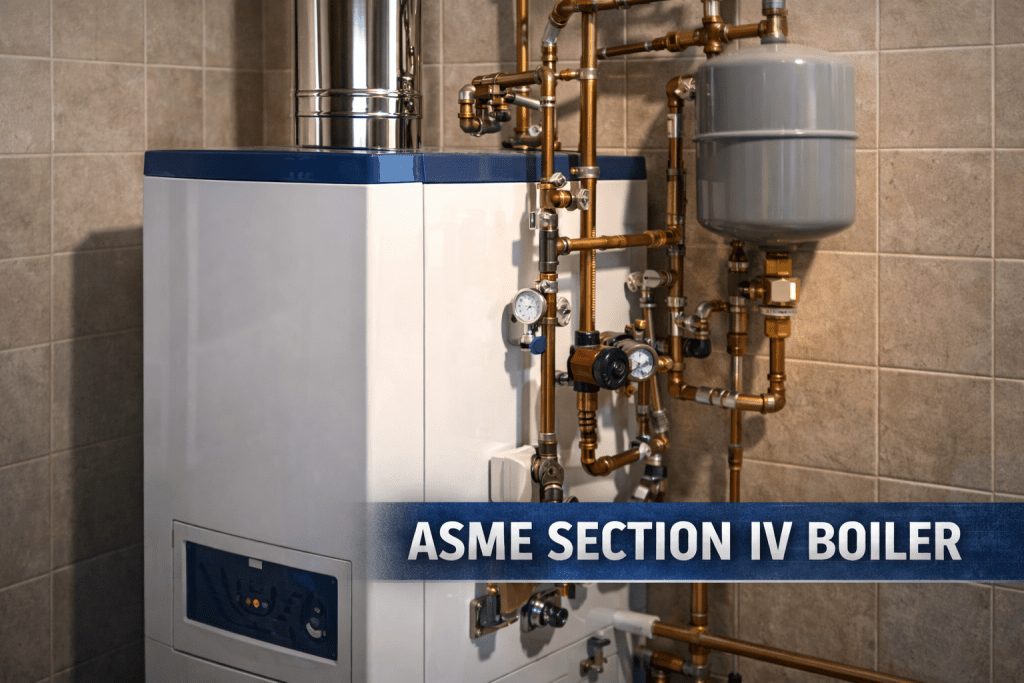
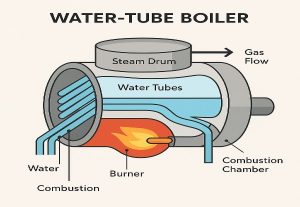
Pictured above: ASME Section IV covers heating boilers used primarily for comfort heating and domestic hot water.
Why the Difference Matters (More Than You Think)
1. Inspection & Certification Requirements
Section I boilers:
- Require continuous involvement of an Authorized Inspector (AI)
- Must pass a witnessed hydrostatic test
- Require a Manufacturer’s Data Report
- Receive an ASME S-Stamp
Section IV boilers:
- Follow simplified inspection paths
- Receive an H-Stamp
- Often fall under lighter jurisdictional oversight
Selecting the wrong code can mean rebuilding equipment—or scrapping it entirely.
2. Design & Cost Implications
Section I boilers:
- Thicker materials
- Higher-grade alloys
- More conservative stress limits
- Extensive documentation
Section IV boilers:
- Lighter construction
- Lower material costs
- Faster fabrication timelines
Mistakenly designing a Section I boiler as Section IV can lead to major redesigns and six-figure surprises.
3. Jurisdictional Acceptance
Authorities Having Jurisdiction (AHJs) rely heavily on ASME code classification.
If your boiler:
- Exceeds 15 psi steam or 250°F water
- Supplies process steam (not just heat)
- Interfaces with turbines or industrial systems
…it will almost always be required to meet ASME Section I, regardless of how it was originally intended.
Common Misconceptions
- “It’s just for heating, so Section IV applies.” → Not always.
- “We’ll keep pressure low to avoid Section I.” → Temperature still matters.
- “The inspector will tell us later.” → That’s the expensive way to learn.
Early code determination is one of the smartest decisions in any boiler project.
How to Choose the Correct Code
Before design begins, ask:
- What is the maximum operating pressure?
- What is the maximum operating temperature?
- Is the steam used for process or power generation?
- What does the local jurisdiction require?
- Has an Authorized Inspector been consulted?
Answering these upfront avoids painful corrections downstream.
Final Thoughts
ASME Section I and Section IV serve different worlds—but confusing them can collapse a project fast.
Section I protects against high-energy failure. Section IV supports safe, efficient heating.
Knowing which side your boiler lives on isn’t just good engineering—it’s good risk management.
From Our Sponsor