
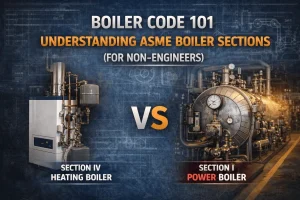
Boiler Code 101: Understanding ASME Boiler Sections (For Non-Engineers)
ASME boiler codes can sound intimidating, especially if you’re not an engineer by trade. The good news? You don’t need to memorize the Code to understand the basics.
In this must-watch episode, we break down the major updates in the 2025 edition of the ASME Boiler and Pressure Vessel Code (BPVC), released on July 1, 2025, and mandatory starting January 1, 2026. Whether you're a manufacturer, purchaser, designer, inspector, or anyone working with boilers and pressure vessels, these changes are game-changers for safety, compliance, and operations.
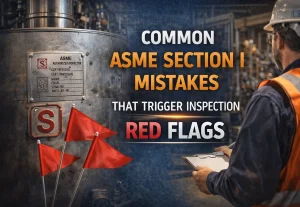
This article highlights the most common ASME Section I mistakes that trigger inspection red flags, why inspectors care about them, and how to avoid unnecessary pain at the worst possible time.
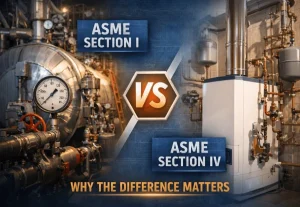
Learn the key differences between ASME Section I and Section IV boilers, including pressure limits, inspection requirements, and why choosing the right code matters for safety and compliance.
We perform detailed pressure vessel calculations in accordance with ASME® Section VIII, Division 1 and Division 2, ensuring optimal design for your specific application. This includes calculations for thickness, pressure, temperature, and external loads.
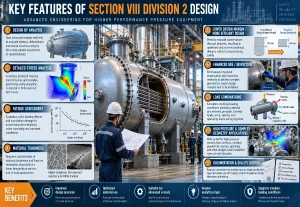
ASME® Section VIII, Division 2 provides an alternative design approach to pressure vessel construction by allowing higher design stress levels in exchange for more rigorous design analysis, material testing, and quality control.