U-Tube Heat Exchanger

U-Tube Heat Exchanger

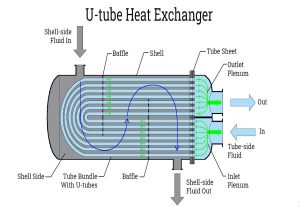
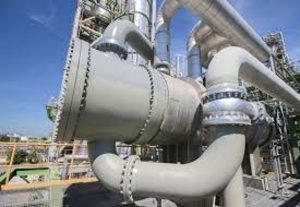
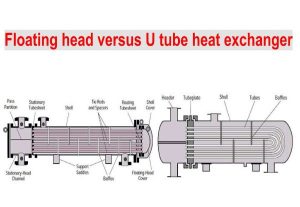
In a U-tube heat exchanger, the tubes are bent into a U-shape, with both ends of each tube connected to the same tube sheet. This design allows for thermal expansion and contraction, reducing the risk of tube failures. One fluid flows through the tubes, while the other fluid flows through the shell. Heat is transferred between the two fluids through the tube walls.

Continue ReadingU-Tube Heat Exchanger
Two-Phase Separator Vs Three-Phase Separator

Two-Phase Separator Vs Three-Phase Separator

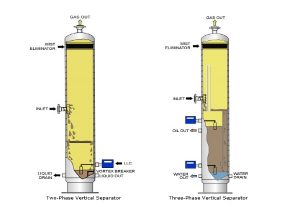
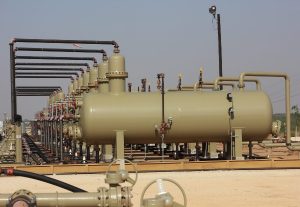
The key difference between a two-phase separator and a three-phase separator is the number of phases they are designed to separate. While a two-phase separator separates gas and liquid, a three-phase separator can handle gas, oil, and water. The design and internal components of the separators may vary accordingly to accommodate the different phases and their interactions.

Continue ReadingTwo-Phase Separator Vs Three-Phase Separator
Three-Phase Separator

Three-Phase Separator

Produced well fluids consist of various amounts of oil, water, natural gas, and sediment. The first step in oil and gas production is to split the flow up into its individual components with a separator. A three-phase separator uses gravity to separate produced well fluid into gas, oil, and water phases. Installation of these vessels occurs near the wellhead

Continue ReadingThree-Phase Separator

 Steam Heat Exchanger – Indirect Heater

Steam Heat Exchanger - Indirect Heater is used to heat the well effluent after it flows out of the well and prior to the separating process. This type of heat exchanger is also called a direct heating furnace which allows it to heat up the process coil directly. This is a kind of heating furnace that has the maximum heat exchange efficiency among the heating furnaces.

Continue Reading Steam Heat Exchanger – Indirect Heater
Steam Heat Exchanger

Steam Heat Exchanger

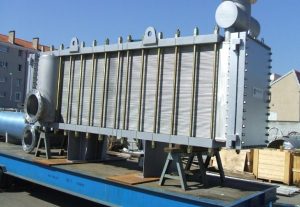
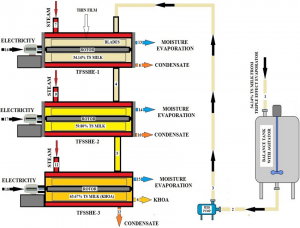
Steam-heat exchangers are used to raise the temperature of well effluents to prevent hydrate formation, reduce viscosity, and break down emulsions for efficient separation of oil and water. Because steam-heat exchangers drastically reduce risk, they are used on offshore platforms and in other work conditions where safety regulations do not permit the use of indirect-fired heaters.

Continue ReadingSteam Heat Exchanger

No more posts to load