
Understanding ASME® Joint Reviews: A Comprehensive Guide
An ASME® Joint Review is a rigorous process conducted by the National Board of Boiler and Pressure Vessel Inspectors (NBBPVI) to assess the quality and safety of pressure vessels and boilers.

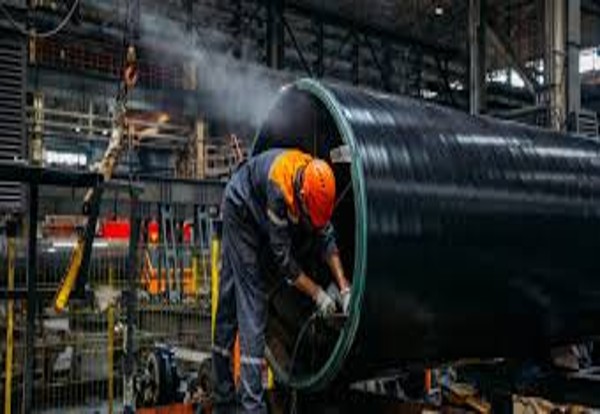
The ASME® B31.1 Code for Power Piping is a widely recognized standard that provides guidelines for the design, fabrication, and installation of piping systems for power plants. This code ensures the safety and reliability of piping systems by establishing rigorous design and construction standards.
Certification is a pinnacle achievement for fabrication shops, signifying a commitment to excellence and adherence to rigorous quality standards. This distinction sets certified shops apart from those lacking formal documentation, solidifying their reputation for producing world-class products.
Applicants for new issuance or renewal of an ASME® Certificate(s) of Authorization should be aware that the Joint Review will require implementation and demonstration of their Quality Control Program. The purpose of the demonstration is to have the Applicant provide evidence of their knowledge of and compliance with requirements of each Certificate and scope they are requesting.
Go into your Joint Review with confidence. Use our Pre-Joint Review checklist to help determine if you have what you need or just get you on the track.
ASME® Section VIII, Division 1 provides the foundational framework for designing, constructing, and inspecting pressure vessels.
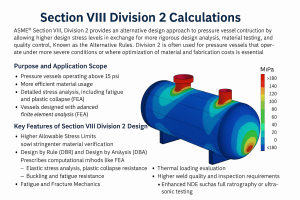
ASME® Section VIII, Division 2 provides an alternative design approach to pressure vessel construction by allowing higher design stress levels in exchange for more rigorous design analysis, material testing, and quality control.
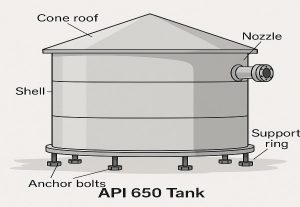
API 650 is the industry standard for the design and construction of large, field-erected storage tanks that operate at atmospheric pressure or low internal pressures (not exceeding 2.5 psig). These tanks are essential for safely storing crude oil, petroleum products, water, chemicals, and other liquids across a wide range of industries.
We perform detailed pressure vessel calculations in accordance with ASME® Section VIII, Division 1 and Division 2, ensuring optimal design for your specific application. This includes calculations for thickness, pressure, temperature, and external loads.
Obtaining and maintaining multiple ASME® Stamp Certificates of Authorization (COAs) can be a complex endeavor for manufacturers and fabricators. This blog post will delve into the challenges and strategies associated with managing multiple COAs, focusing on the ASME® Boiler and Pressure Vessel Code (BPVC).