

Stress Analysis in B31.1 Piping Design
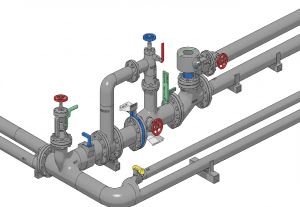
Stress analysis is a critical aspect of B31.1 piping design, ensuring that the piping system can withstand the various loads and pressures it will experience during operation.
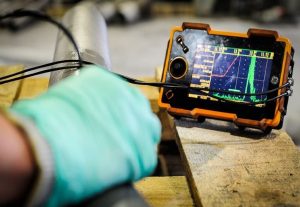

An ASME® Joint Review is a rigorous process conducted by the National Board of Boiler and Pressure Vessel Inspectors (NBBPVI) to assess the quality and safety of pressure vessels and boilers.
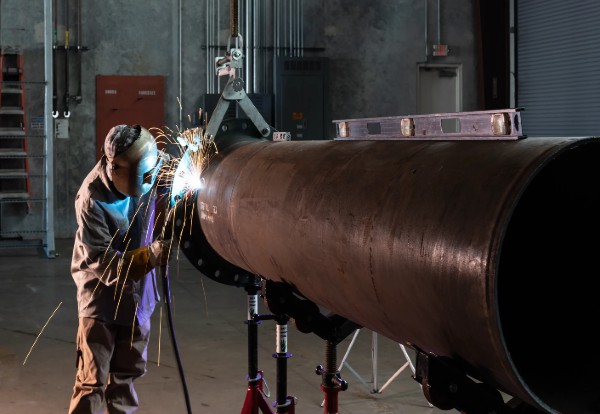
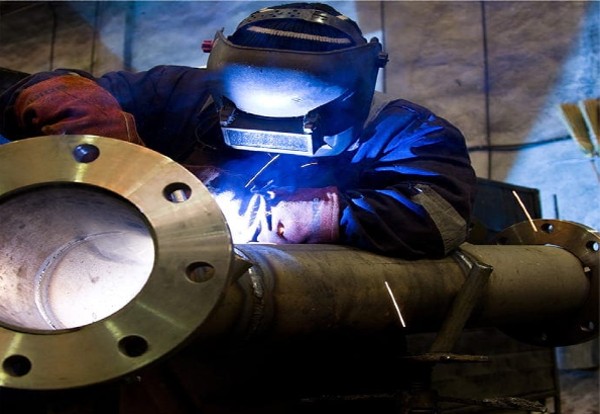
Welding is a critical aspect of B31.1 piping design and construction. The ASME® B31.1 Code provides specific requirements for welding procedures to ensure the quality and integrity of piping systems.
The selection of appropriate materials is a critical aspect of B31.1 piping design. The choice of material depends on factors such as temperature, pressure, corrosion resistance, and cost. By carefully selecting materials and considering the factors discussed above, engineers can design piping systems that are both safe and cost-effective.
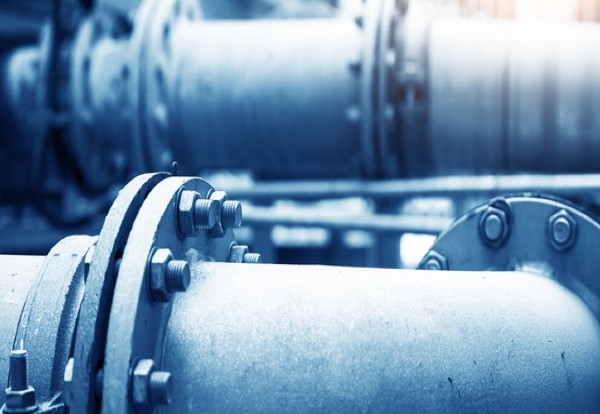
The ASME® B31.1 Code for Power Piping is a widely recognized standard that provides guidelines for the design, fabrication, and installation of piping systems for power plants. This code ensures the safety and reliability of piping systems by establishing rigorous design and construction standards.
API 650 is the industry standard for the design and construction of large, field-erected storage tanks that operate at atmospheric pressure or low internal pressures (not exceeding 2.5 psig). These tanks are essential for safely storing crude oil, petroleum products, water, chemicals, and other liquids across a wide range of industries.
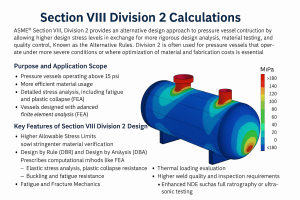
ASME® Section VIII, Division 2 provides an alternative design approach to pressure vessel construction by allowing higher design stress levels in exchange for more rigorous design analysis, material testing, and quality control.
We perform detailed pressure vessel calculations in accordance with ASME® Section VIII, Division 1 and Division 2, ensuring optimal design for your specific application. This includes calculations for thickness, pressure, temperature, and external loads.
Go into your Joint Review with confidence. Use our Pre-Joint Review checklist to help determine if you have what you need or just get you on the track.