Two-Phase Separator Vs Three-Phase Separator

Two-Phase Separator Vs Three-Phase Separator

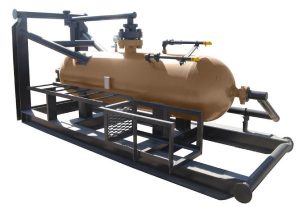
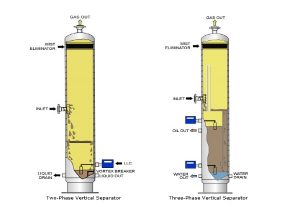
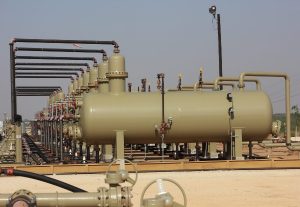
The key difference between a two-phase separator and a three-phase separator is the number of phases they are designed to separate. While a two-phase separator separates gas and liquid, a three-phase separator can handle gas, oil, and water. The design and internal components of the separators may vary accordingly to accommodate the different phases and their interactions.
Continue ReadingTwo-Phase Separator Vs Three-Phase Separator
Three-Phase Separator

Three-Phase Separator

Produced well fluids consist of various amounts of oil, water, natural gas, and sediment. The first step in oil and gas production is to split the flow up into its individual components with a separator. A three-phase separator uses gravity to separate produced well fluid into gas, oil, and water phases. Installation of these vessels occurs near the wellhead

Continue ReadingThree-Phase Separator

Different Types of Sand Separators

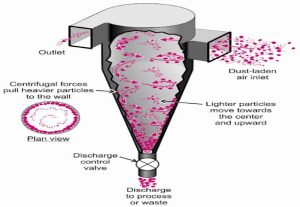
Sand separators are crucial components in various industries, including oil and gas, water treatment, and manufacturing. They are designed to remove solid particles, such as sand, dirt, and scale, from liquid streams. The choice of sand separator depends on various factors, including the type and size of particles to be removed, the flow rate of the liquid, the desired level of separation efficiency, and the specific application requirements.

Continue ReadingDifferent Types of Sand Separators
Magnetic Separators
Magnetic Separators

Magnetic Separators

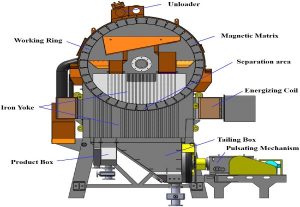
Magnetic separators utilize magnetic forces to separate magnetic materials from non-magnetic materials. They are widely used in various industries, including mining, recycling, and food processing. Magnetic separators are a valuable tool for separating materials based on their magnetic properties. By understanding the principles of magnetic separation and the key design considerations, engineers can optimize the performance of these devices.

Continue ReadingMagnetic Separators
Drawing of Horizontal Separator
Horizontal Separators

Horizontal Separators

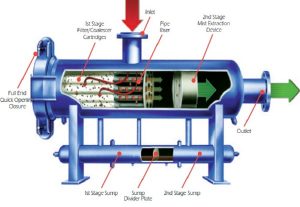
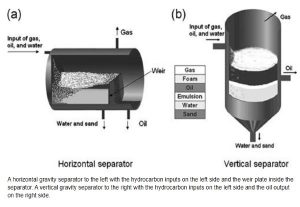
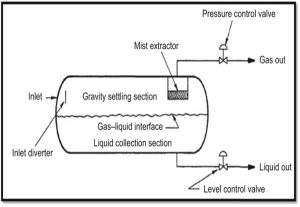
Horizontal separators are ideally suited to wellstreams having high gas-oil ratios, constant flow, and small liquid surge characteristics. Horizontal separators are smaller and less expensive than vertical separators for a given gas capacity. Liquid particles in the wellstream travel horizontally and downward at the same time as a result of two forces acting upon them-the horizontal force of the gas stream and the downward force of gravity.

Continue ReadingHorizontal Separators

No more posts to load