

- See All Articles
- API Tanks
- ASME
- Boiler
- Dehydration Unit
- Fabrication
- Heat Exchangers
- Piping
- Production Drawings
- Repair and Alteration
- Separators
- Skid-Mounted
- Stamps
- Training Videos
- Vessel Knowledge
- Back
- Shell and Tube Heat Exchangers
- Air-Cooled Heat Exchangers
- Compact Heat Exchangers
- Other Heat Exchangers
- Back
- Sand Separators
- Three Phase Separators
- Two Phase Separators
- Gas Separator
- Magnetic Separators
- Liquid Separators
- Back
- Joint Review
- U Stamp
- UM Stamp
- PP Stamp
- S Stamp
- U2 Stamp
- H Stamp
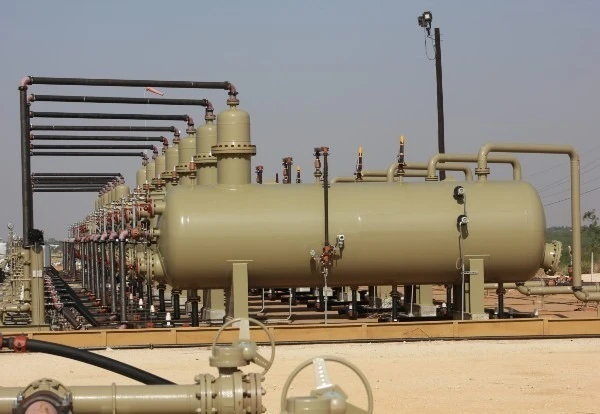
Produced well fluids consist of various amounts of oil, water, natural gas, and sediment. The first step in oil and gas production is to split the flow up into its individual components with a separator. A three-phase separator uses gravity to separate produced well...
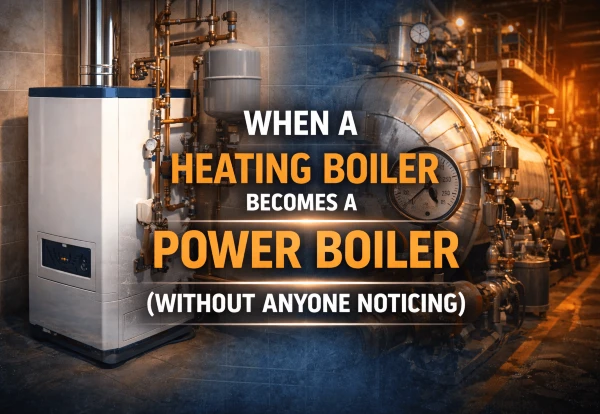
Learn how heating boilers unintentionally cross into ASME Section I power boiler classification, what inspectors look for, and how to avoid costly compliance surprises.
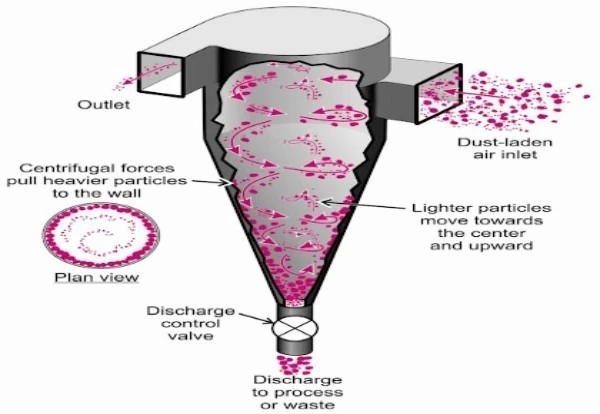
Cyclone separators are a type of mechanical separator that uses centrifugal force to separate solid particles from a gas or liquid stream. They are widely used in various industries, including mining, chemical processing, and environmental engineering.
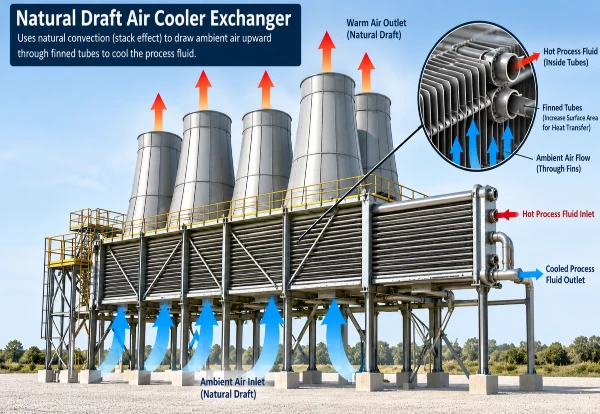
A natural draft air cooler typically consists of a tall, tower-like structure with a large number of finned tubes. The hot process fluid flows through the tubes, and the heat is transferred to the surrounding air. The heated air rises due to natural convection,...
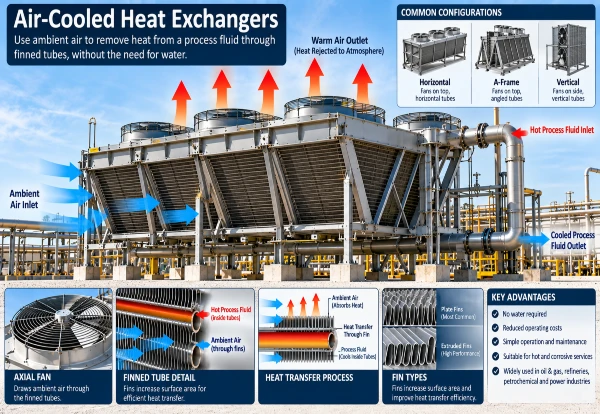
Air-cooled heat exchangers typically consist of a bundle of tubes through which the process fluid flows. Fins are attached to the tubes to increase the surface area for heat transfer. Air is forced or drawn across the finned tubes, removing heat from the process...
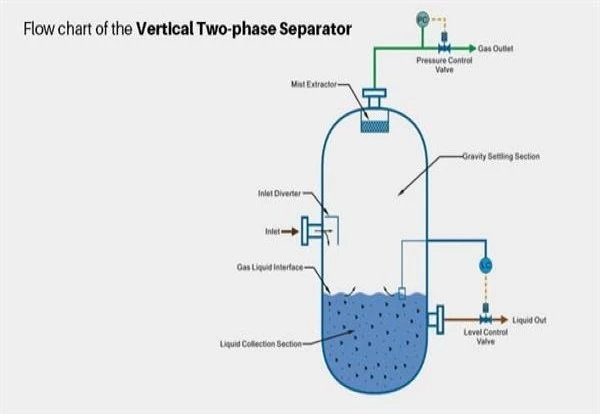
A vertical separator is a cylindrical vessel that is oriented vertically. When a gas-liquid mixture enters the separator, the heavier liquid phase settles to the bottom, while the lighter gas phase rises to the top. The liquid phase is then drawn off through a...
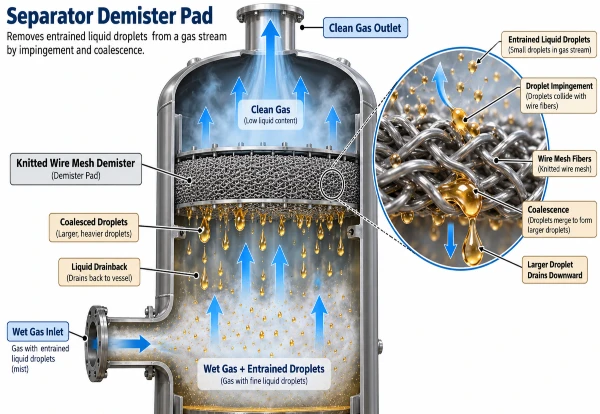
A demister is also known as a demister pad, mist pad, wire mesh demister, mesh mist eliminator, catching mist, and mist eliminator. It is a device often fitted to vapor–liquid separator vessels to enhance the removal of liquid droplets entrained in a vapor stream.
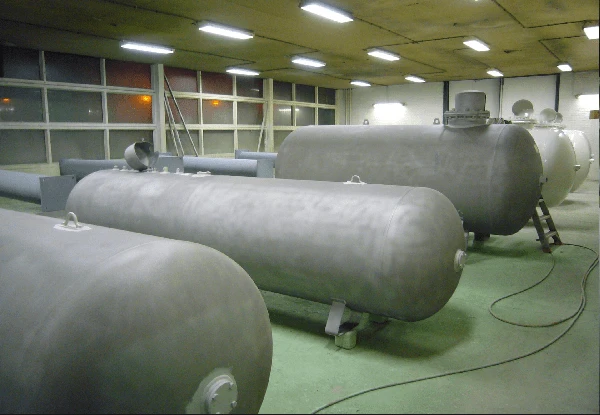
Obtaining a U-Stamp or U2-Stamp from the National Board of Boiler and Pressure Vessel Inspectors (NBBPVI) is a significant achievement for manufacturers and fabricators of pressure vessels and boilers. These certifications signify adherence to rigorous quality, safety, and performance standards.
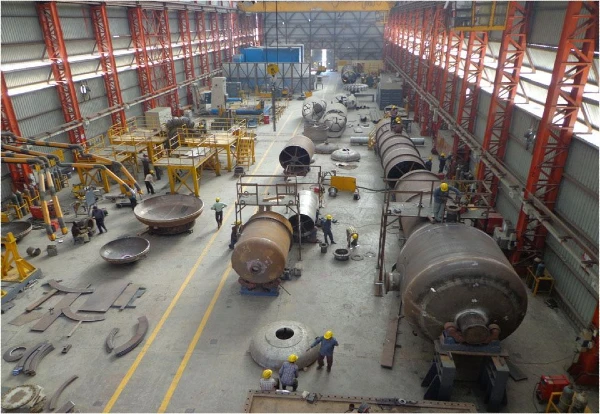
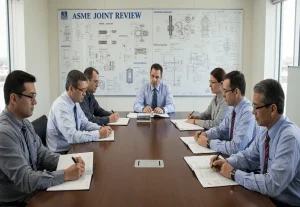
Applicants for new issuance or renewal of an ASME® Certificate(s) of Authorization should be aware that the Joint Review will require implementation and demonstration of their Quality Control Program. The purpose of the demonstration is to have the Applicant provide evidence of their knowledge...
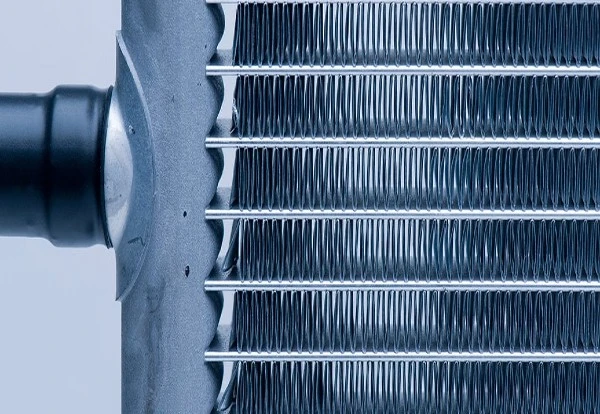
Microchannel heat exchangers are a type of heat exchanger with channels that have characteristic dimensions in the micrometer range. These tiny channels offer significant advantages in terms of heat transfer efficiency and compact design. In a microchannel heat exchanger, the two fluids flow through...
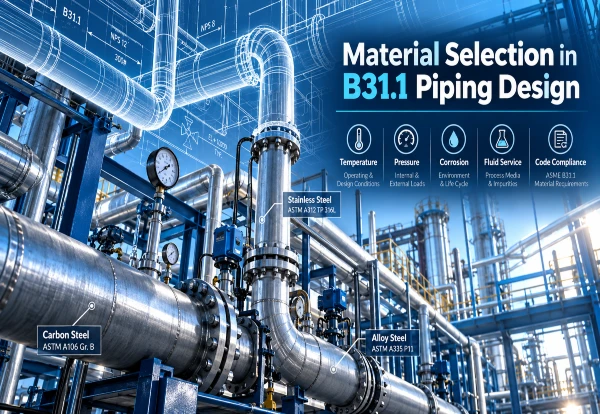
The selection of appropriate materials is a critical aspect of B31.1 piping design. The choice of material depends on factors such as temperature, pressure, corrosion resistance, and cost. By carefully selecting materials and considering the factors discussed above, engineers can design piping systems that...
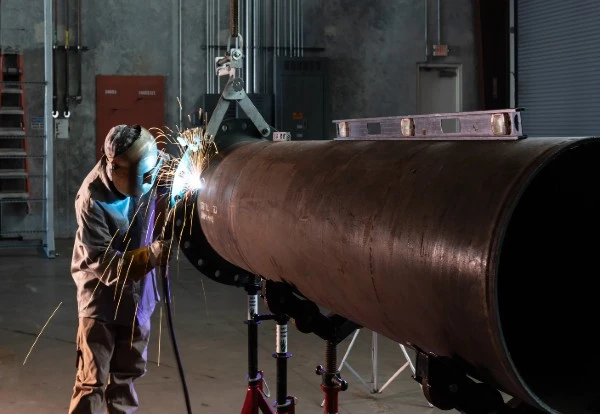
Welding is a critical aspect of B31.1 piping design and construction. The ASME® B31.1 Code provides specific requirements for welding procedures to ensure the quality and integrity of piping systems.
- See All Articles
- API Tanks
- ASME
- Boiler
- Dehydration Unit
- Fabrication
- Heat Exchangers
- Piping
- Production Drawings
- Repair and Alteration
- Separators
- Skid-Mounted
- Stamps
- Training Videos
- Vessel Knowledge
- Back
- Shell and Tube Heat Exchangers
- Air-Cooled Heat Exchangers
- Compact Heat Exchangers
- Other Heat Exchangers
- Back
- Sand Separators
- Three Phase Separators
- Two Phase Separators
- Gas Separator
- Magnetic Separators
- Liquid Separators
- Back
- Joint Review
- U Stamp
- UM Stamp
- PP Stamp
- S Stamp
- U2 Stamp
- H Stamp
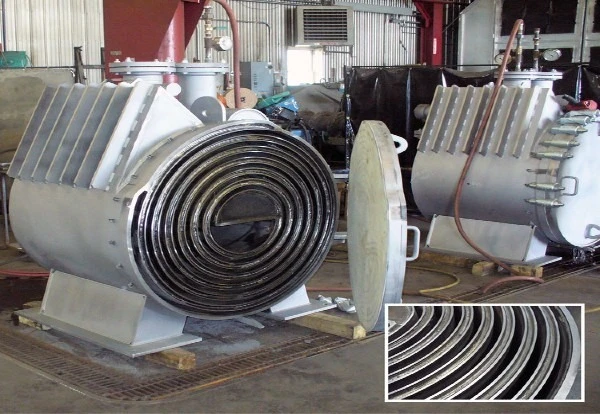
A spiral heat exchanger consists of two spiral-wound channels, one for each fluid. The two channels are separated by a partition, and the fluids flow in opposite directions through the channels. This counter-current flow arrangement maximizes heat transfer efficiency. Spiral heat exchangers are a...
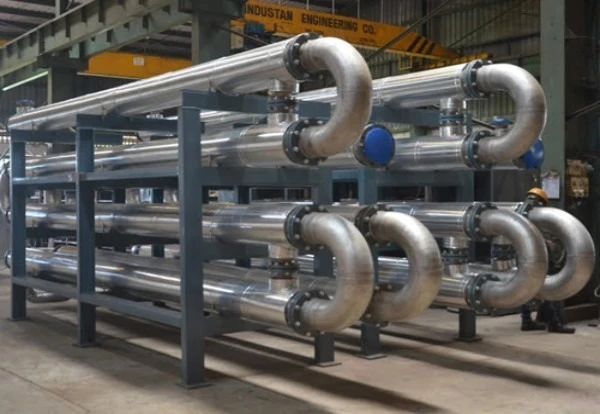
Double-pipe heat exchangers are a simple yet effective type of heat exchanger that consists of two concentric pipes. One fluid flows through the inner pipe, while the other fluid flows through the annular space between the two pipes. This design provides a compact and...
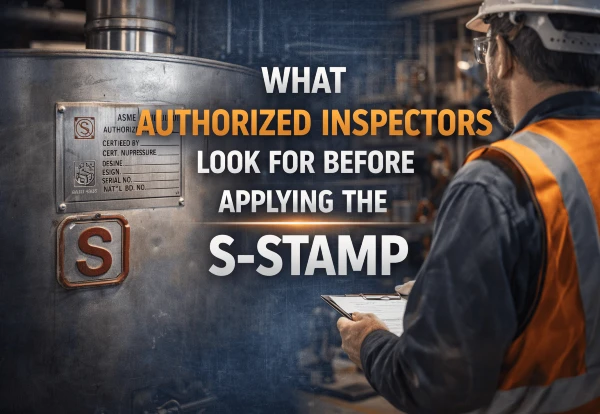
If the S-Stamp is the finish line, the Authorized Inspector (AI) is the gatekeeper holding the stopwatch. Before that stamp ever touches a boiler, inspectors are verifying far more than weld quality or paperwork completeness. They’re answering one critical question:

In this must-watch episode, we break down the major updates in the 2025 edition of the ASME Boiler and Pressure Vessel Code (BPVC), released on July 1, 2025, and mandatory starting January 1, 2026. Whether you're a manufacturer, purchaser, designer, inspector, or anyone working...
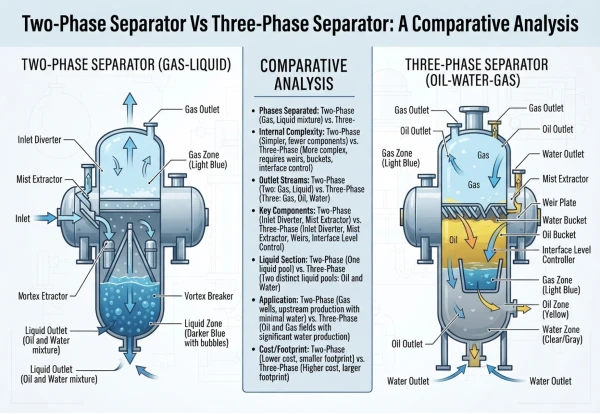
The key difference between a two-phase separator and a three-phase separator is the number of phases they are designed to separate. While a two-phase separator separates gas and liquid, a three-phase separator can handle gas, oil, and water. The design and internal components of...
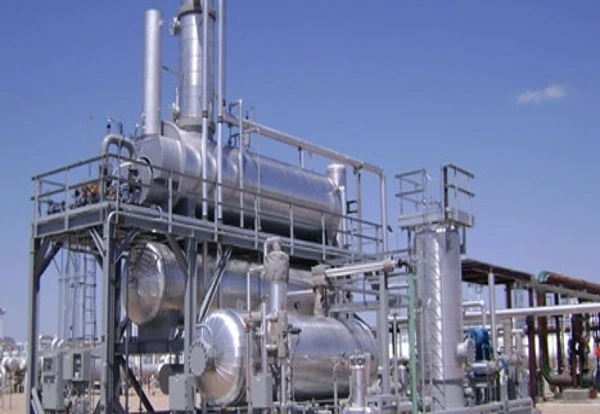
Natural gas dehydration is the process of removing water vapor from natural gas. A gas dehydration system is used by oil and gas producers to dehydrate natural gas into a state where it can be sold downstream.
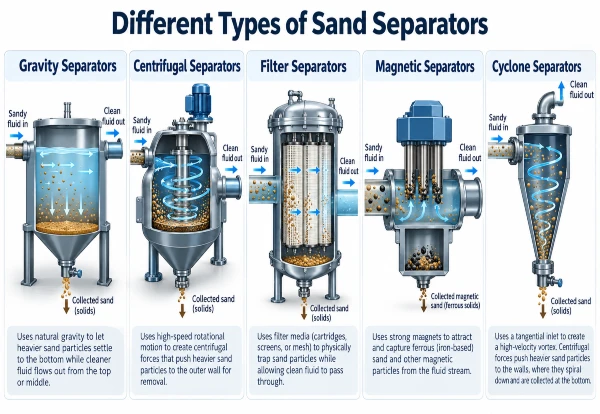
Sand separators are crucial components in various industries, including oil and gas, water treatment, and manufacturing. They are designed to remove solid particles, such as sand, dirt, and scale, from liquid streams. The choice of sand separator depends on various factors, including the type...

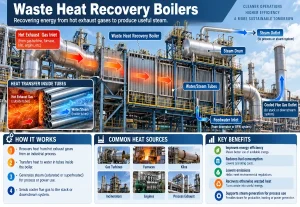
Waste heat recovery boilers (WHRBs) capture hot exhaust gases from industrial processes or engines and use that heat to generate steam or hot water — without burning additional fuel.
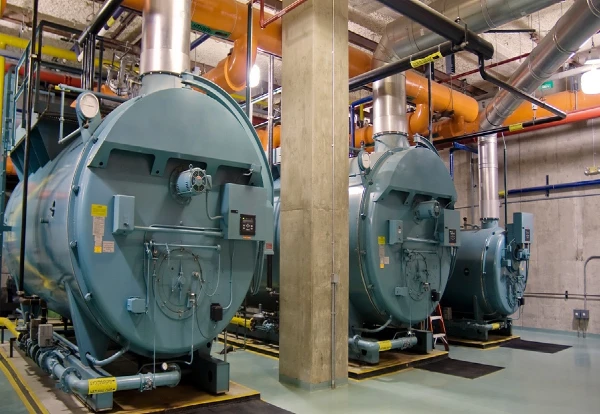
In industrial operations, boiler downtime isn’t just an inconvenience—it’s a profit killer. Whether it’s lost production, emergency repair costs, or compliance penalties, a boiler failure can have far-reaching impacts. Fortunately, many of these issues are preventable with a strong, proactive maintenance strategy. In this...
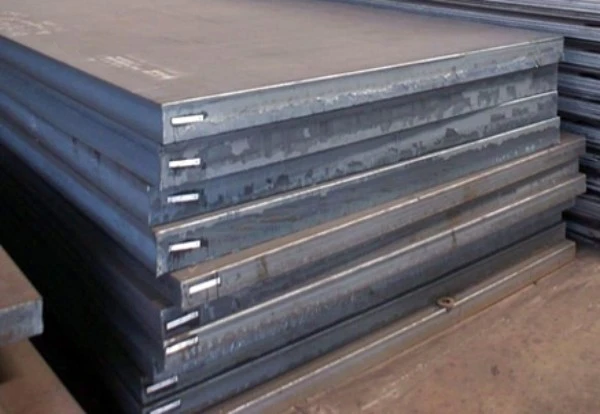
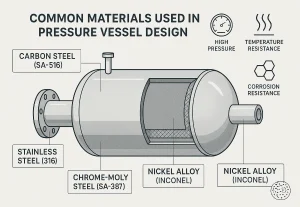
ASME® BPVC Section II, Part A is a critical reference document for engineers and designers involved in the construction of pressure vessels and boilers. It provides a comprehensive list of ferrous materials suitable for use in these applications.
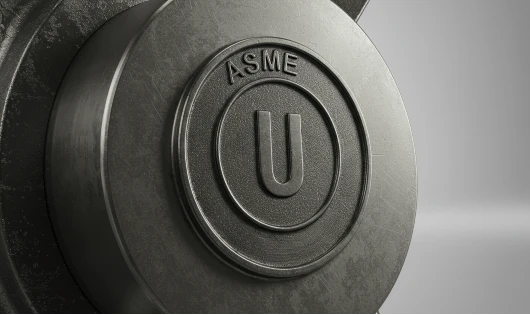
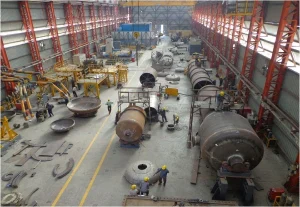
Certification is a pinnacle achievement for fabrication shops, signifying a commitment to excellence and adherence to rigorous quality standards. This distinction sets certified shops apart from those lacking formal documentation, solidifying their reputation for producing world-class products.
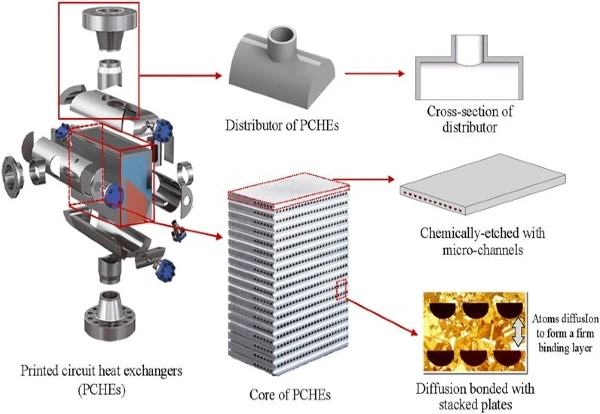
Printed Circuit Heat Exchangers (PCHEs) are a specialized type of heat exchanger that offers exceptional heat transfer performance in a compact footprint. They are widely used in industries such as aerospace, automotive, and electronics. PCHEs consist of a stack of thin metal plates, etched...