


- See All Articles
- API Tanks
- ASME
- Boiler
- Dehydration Unit
- Fabrication
- Heat Exchangers
- Piping
- Production Drawings
- Repair and Alteration
- Separators
- Skid-Mounted
- Stamps
- Training Videos
- Vessel Knowledge
- Back
- Shell and Tube Heat Exchangers
- Air-Cooled Heat Exchangers
- Compact Heat Exchangers
- Other Heat Exchangers
- Back
- Sand Separators
- Three Phase Separators
- Two Phase Separators
- Gas Separator
- Magnetic Separators
- Liquid Separators
- Back
- Joint Review
- U Stamp
- UM Stamp
- PP Stamp
- S Stamp
- U2 Stamp
- H Stamp
A U-Stamp is a certification mark issued by the National Board of Boiler and Pressure Vessel Inspectors (NBBPVI). It signifies that a pressure vessel has been manufactured and inspected in accordance with the rigorous standards outlined in the ASME® Boiler and Pressure Vessel Code...
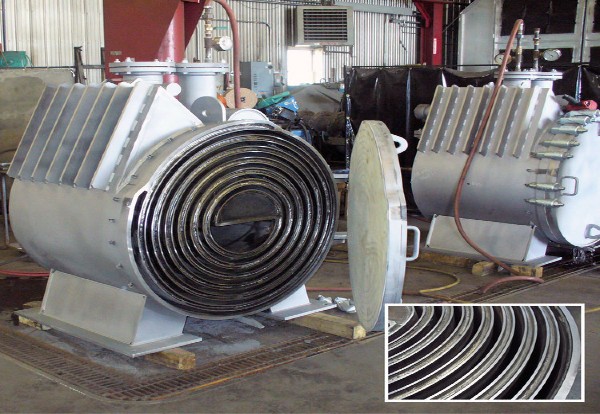
A spiral heat exchanger consists of two spiral-wound channels, one for each fluid. The two channels are separated by a partition, and the fluids flow in opposite directions through the channels. This counter-current flow arrangement maximizes heat transfer efficiency. Spiral heat exchangers are a...
A three-phase separator is a crucial piece of equipment in the oil and gas industry, designed to separate a mixture of oil, gas, and water into its individual components. The vertical three-phase separator, equipped with interface control, is a particularly efficient design for maintaining...
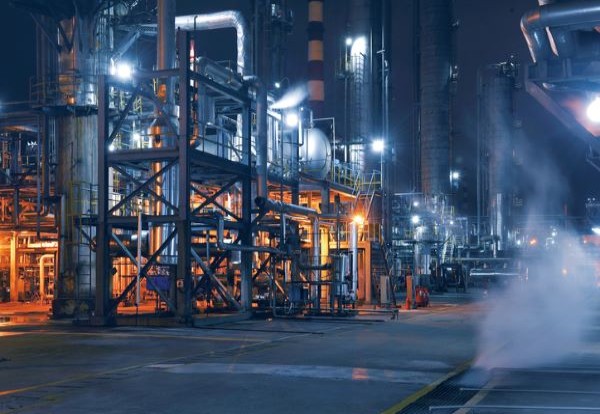
The ASME® B31.1 Code for Power Piping is a widely recognized standard that provides guidelines for the design, fabrication, and installation of piping systems for power plants. This code ensures the safety and reliability of piping systems by establishing rigorous design and construction standards.
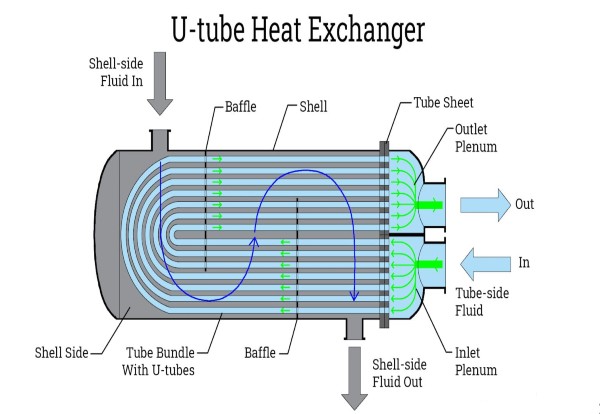
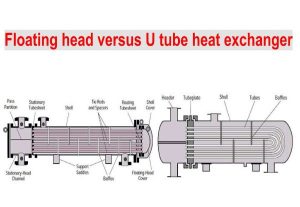
In a U-tube heat exchanger, the tubes are bent into a U-shape, with both ends of each tube connected to the same tube sheet. This design allows for thermal expansion and contraction, reducing the risk of tube failures. One fluid flows through the tubes,...
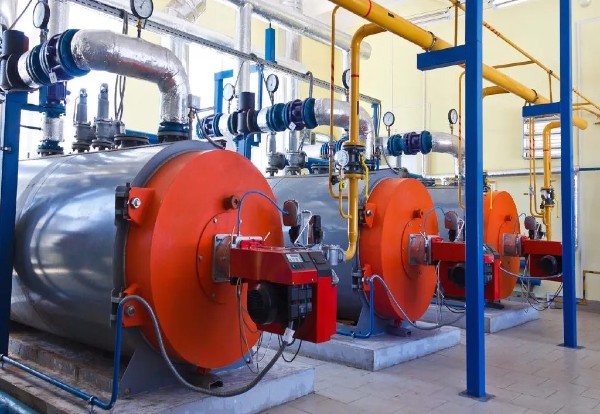
An S-Stamp is a certification mark issued by the National Board of Boiler and Pressure Vessel Inspectors (NBBPVI). It signifies that a manufacturer is authorized to build and stamp power boilers, which are pressure vessels designed to generate steam for various applications, such as...
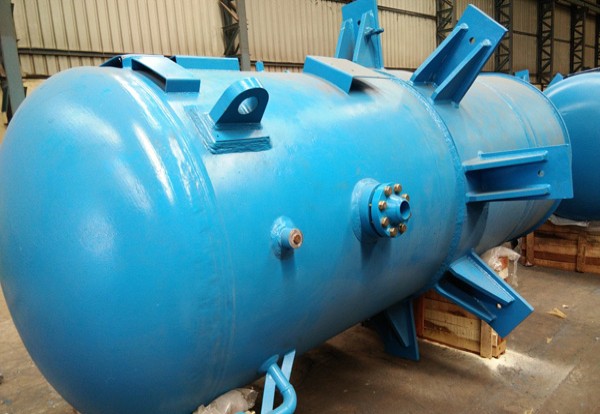
A U2-Stamp is a certification mark issued by the National Board of Boiler and Pressure Vessel Inspectors (NBBPVI). It authorizes a manufacturer to repair and alter existing pressure vessels and boilers. This certification ensures that repairs and alterations are performed in accordance with the...
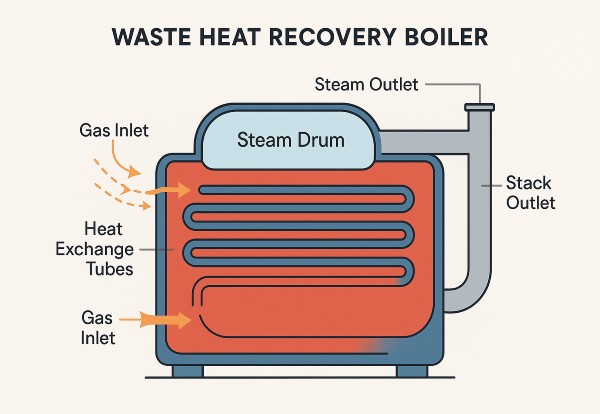
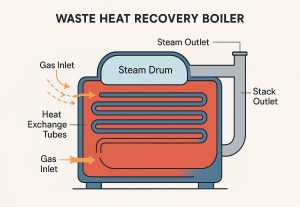
Waste heat recovery boilers (WHRBs) capture hot exhaust gases from industrial processes or engines and use that heat to generate steam or hot water — without burning additional fuel.
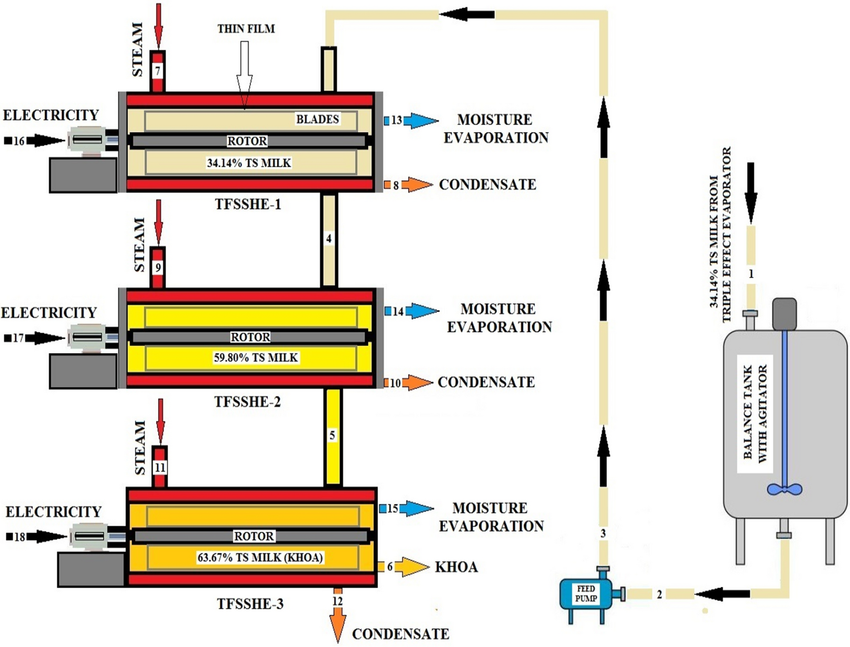
A scraped surface heat exchanger consists of a cylindrical shell with a rotating shaft inside. The shaft is fitted with blades or scrapers that continuously scrape the inner surface of the shell. This scraping action prevents the formation of product buildup on the heat...
The PP-Stamp is a certification mark issued by the National Board of Boiler and Pressure Vessel Inspectors (NBBPVI). It signifies that a manufacturer is authorized to weld, fit, manufacture, and install piping and components that attach to external piping used for power boilers and...
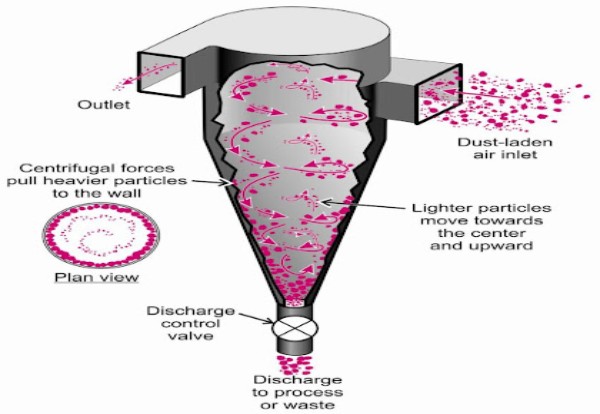
Cyclone separators are a type of mechanical separator that uses centrifugal force to separate solid particles from a gas or liquid stream. They are widely used in various industries, including mining, chemical processing, and environmental engineering.
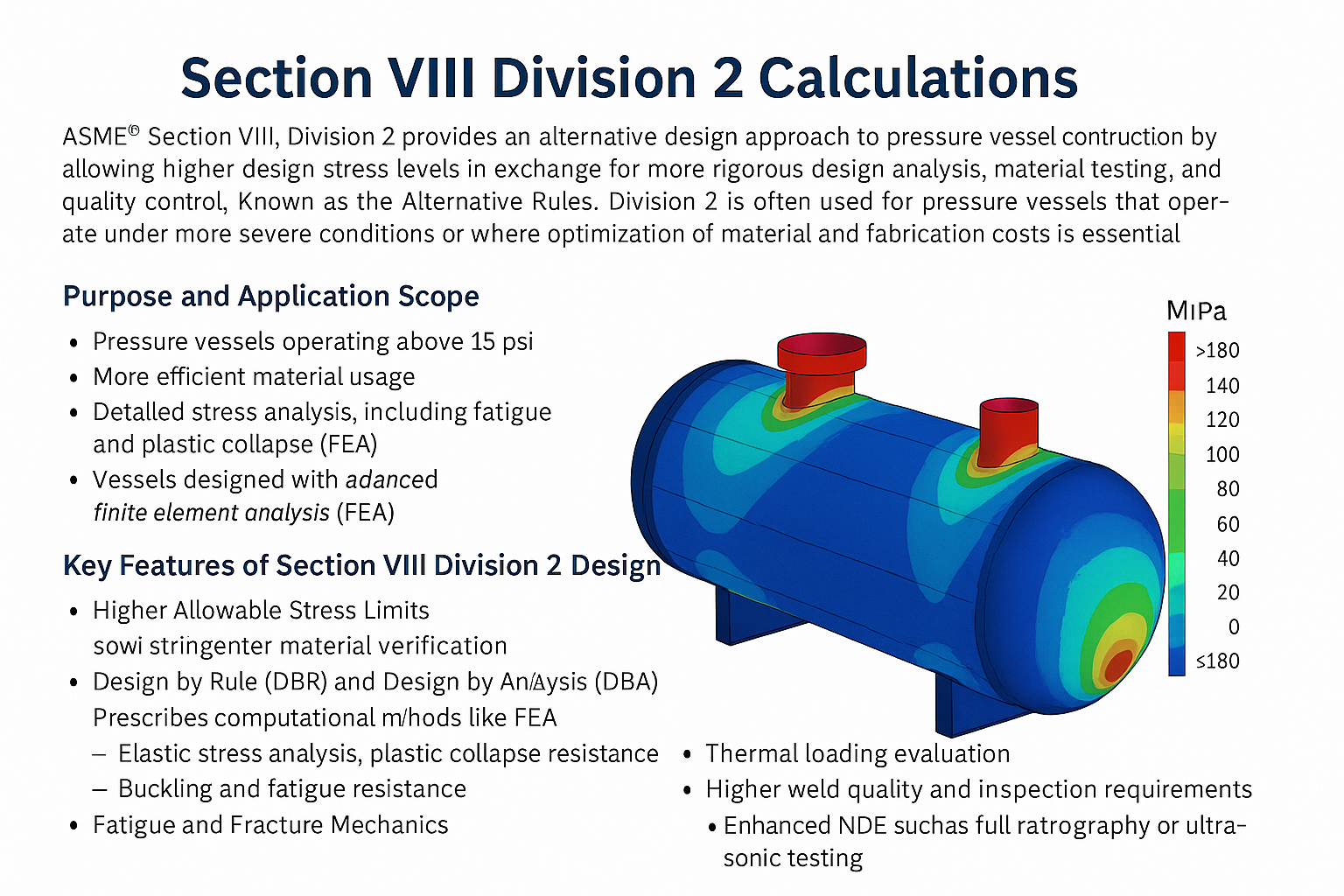
ASME® Section VIII, Division 2 provides an alternative design approach to pressure vessel construction by allowing higher design stress levels in exchange for more rigorous design analysis, material testing, and quality control.
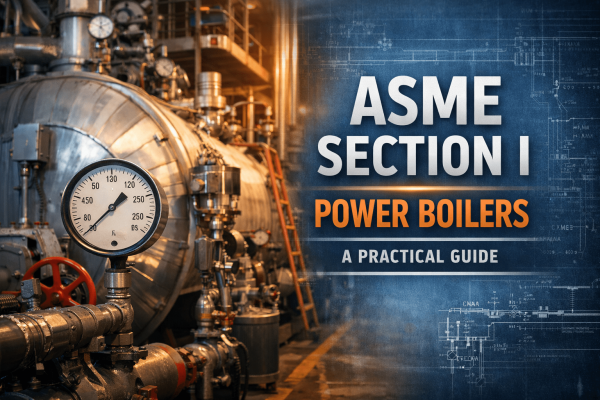
ASME Section I of the Boiler and Pressure Vessel Code (BPVC) governs the design, construction, and certification of power boilers—the heavy hitters used to generate steam or high‑temperature water for power generation, industrial processes, and large facilities. This section exists for one reason above...
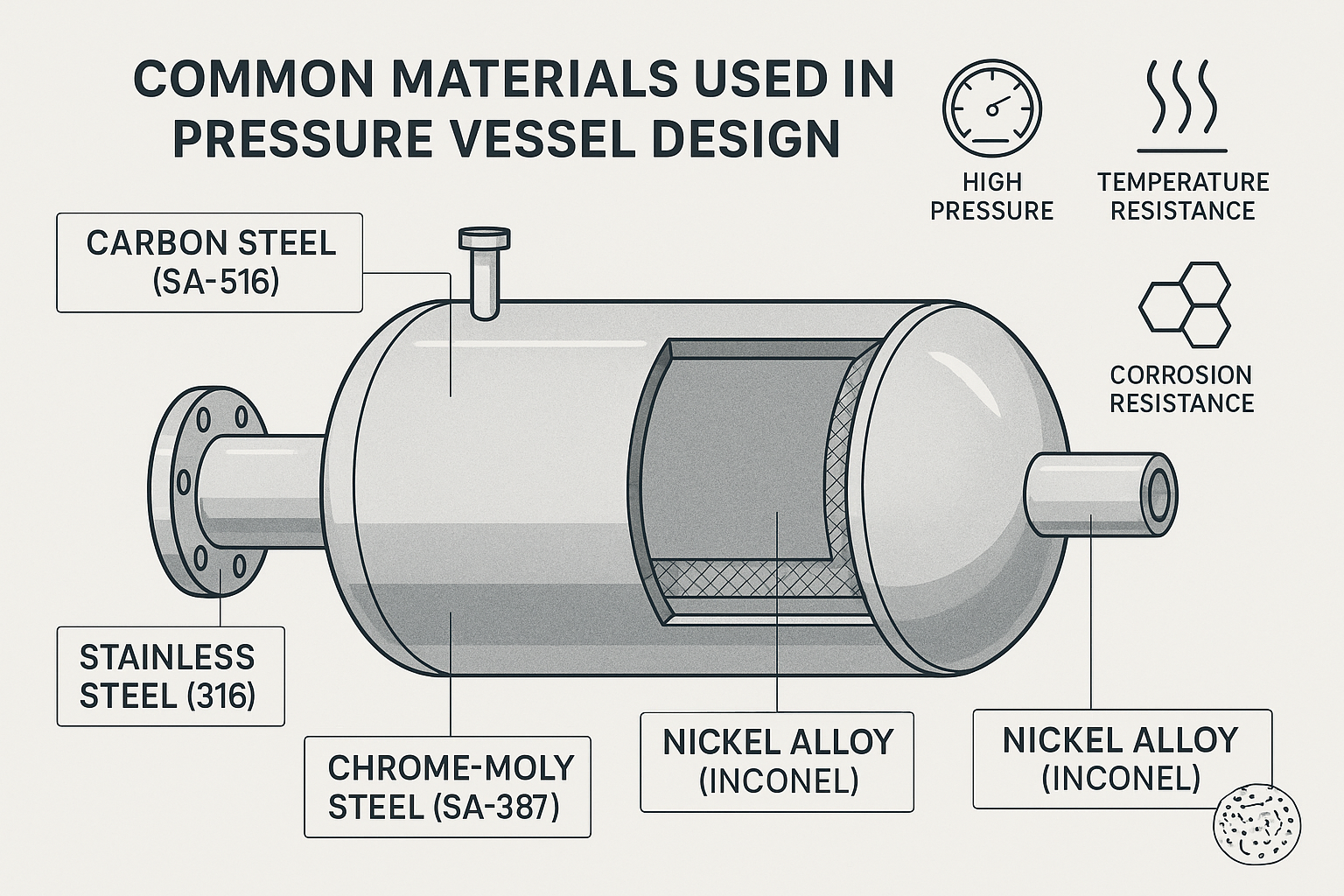
When it comes to designing pressure vessels, one of the most critical decisions engineers face is selecting the right material. In high-pressure environments, the wrong choice can lead to catastrophic failure, regulatory violations, or costly downtime. The right material, on the other hand, ensures...
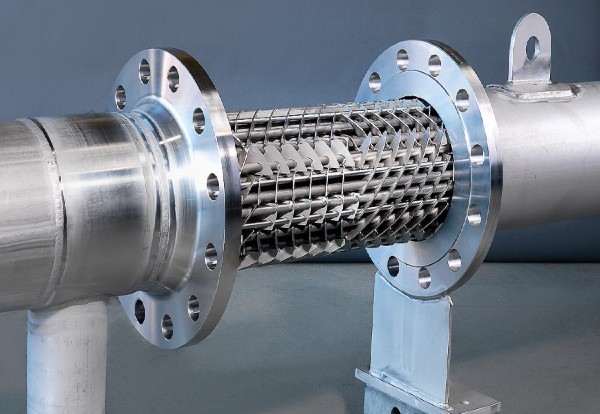
Mix exchangers are a type of heat exchanger that combines two or more fluid streams to achieve a desired temperature or composition. They are widely used in various industries, including chemical processing, petroleum refining, and power generation. Mix exchangers play a critical role in...
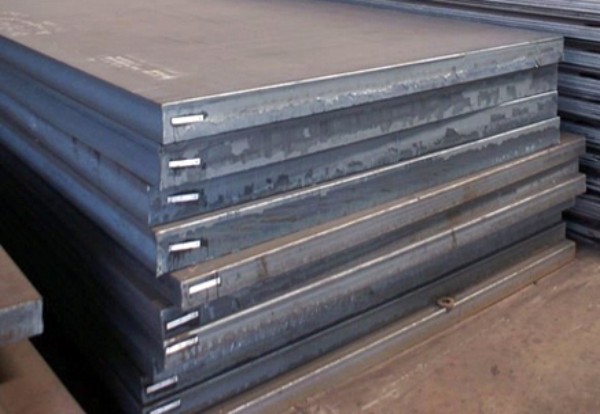
ASME® BPVC Section II, Part A is a critical reference document for engineers and designers involved in the construction of pressure vessels and boilers. It provides a comprehensive list of ferrous materials suitable for use in these applications.
Obtaining and maintaining multiple ASME® Stamp Certificates of Authorization (COAs) can be a complex endeavor for manufacturers and fabricators. This blog post will delve into the challenges and strategies associated with managing multiple COAs, focusing on the ASME® Boiler and Pressure Vessel Code (BPVC).
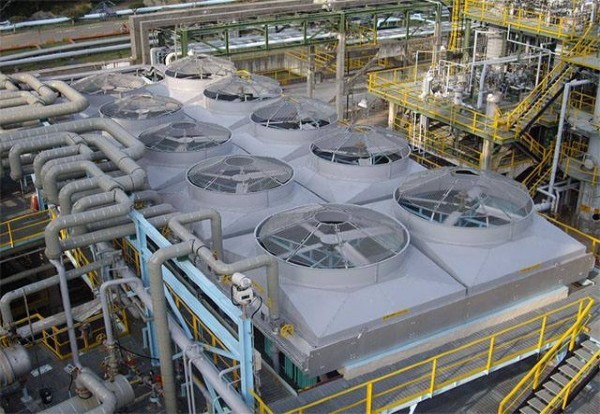
Induced draft air coolers are a type of air-cooled heat exchanger that uses fans to draw air across the finned tubes. This design offers several advantages over forced draft air coolers, including quieter operation and lower energy consumption. In an induced draft air cooler,...
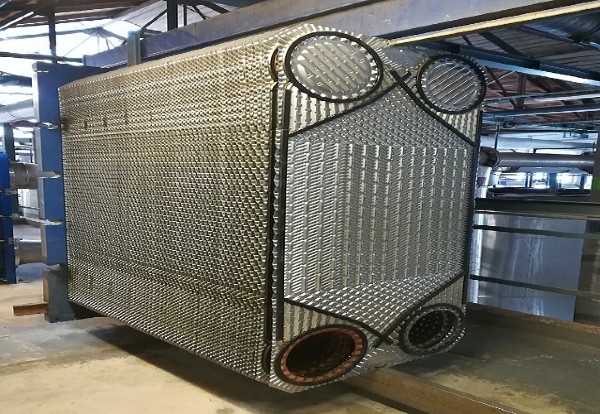
Plate and frame heat exchangers are a type of heat exchanger that uses a series of corrugated plates to transfer heat between two fluids. The plates are stacked together, forming narrow channels through which the fluids flow. This design allows for a large heat...
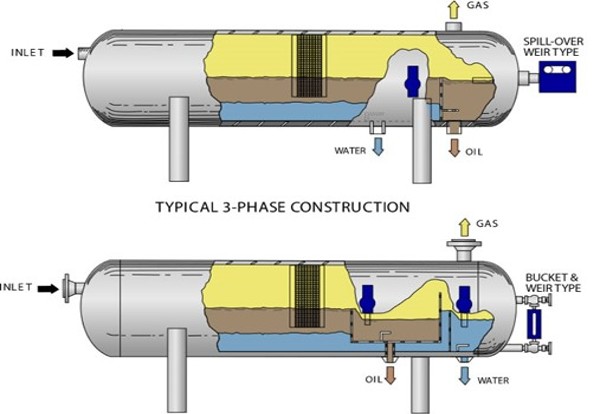
What is a Three-Phase Separator? A three-phase separator uses gravity to separate produced well fluid into gas, oil, and water phases. Installation of these vessels occurs near the wellhead, and they come in horizontal and vertical configurations. Produced well fluids consist of various amounts...
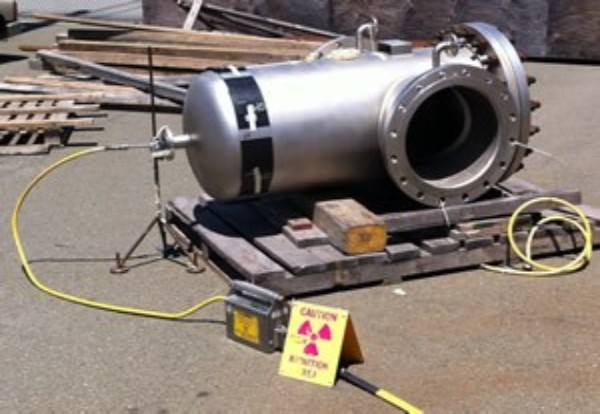
Radiographic Testing (RT) is a powerful NDE technique widely used in the manufacturing of pressure vessels and boilers. It involves the use of ionizing radiation to penetrate the material and create an image of internal features.
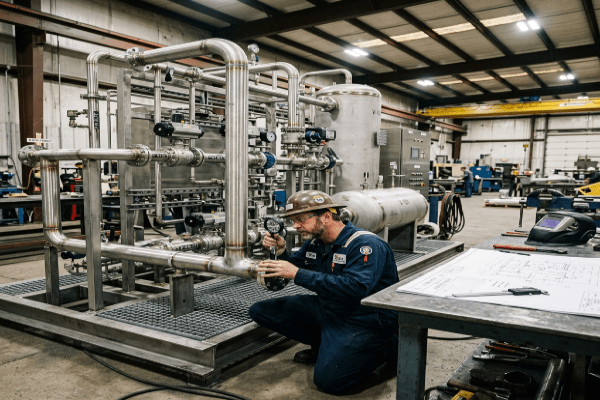
Pictured above: Fabricator inspecting weld on skid Skid-Mounted Units: ASME-Compliant Modular Engineering Solutions Skid-mounted units, often referred to simply as “skids,” are self-contained process systems or equipment packages that are fabricated off-site and delivered as turnkey modules. These units are engineered and built to...
- See All Articles
- API Tanks
- ASME
- Boiler
- Dehydration Unit
- Fabrication
- Heat Exchangers
- Piping
- Production Drawings
- Repair and Alteration
- Separators
- Skid-Mounted
- Stamps
- Training Videos
- Vessel Knowledge
- Back
- Shell and Tube Heat Exchangers
- Air-Cooled Heat Exchangers
- Compact Heat Exchangers
- Other Heat Exchangers
- Back
- Sand Separators
- Three Phase Separators
- Two Phase Separators
- Gas Separator
- Magnetic Separators
- Liquid Separators
- Back
- Joint Review
- U Stamp
- UM Stamp
- PP Stamp
- S Stamp
- U2 Stamp
- H Stamp
A U-Stamp is a certification mark issued by the National Board of Boiler and Pressure Vessel Inspectors (NBBPVI). It signifies that a pressure vessel has been manufactured and inspected in accordance with the rigorous standards outlined in the ASME® Boiler and Pressure Vessel Code...
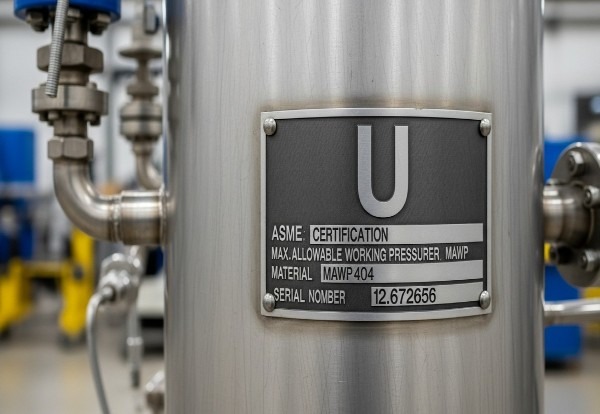
A U-Stamp is a certification mark issued by the National Board of Boiler and Pressure Vessel Inspectors
ASME® Section VIII, Division 2 provides an alternative design approach to pressure vessel construction by allowing higher design stress levels in exchange for more rigorous design analysis, material testing, and quality control.
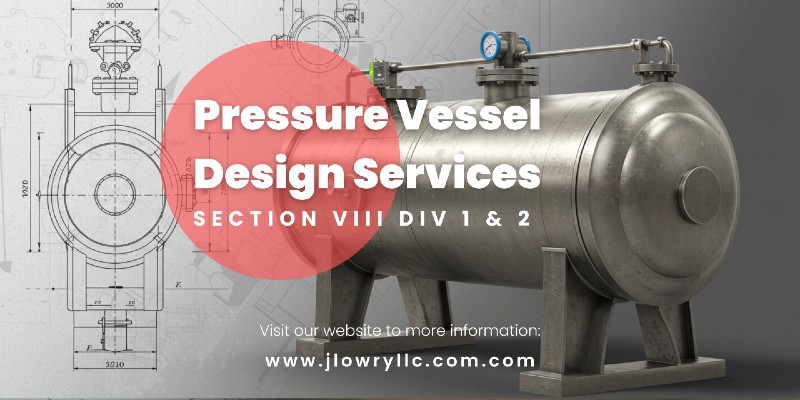
ASME® Section VIII, Division 1 provides the foundational framework for designing, constructing, and inspecting pressure vessels.
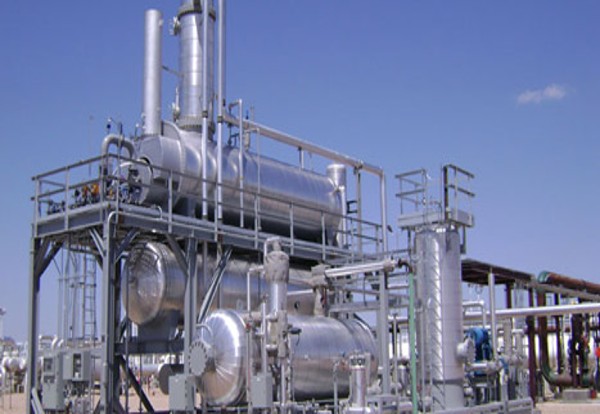
Natural gas dehydration is the process of removing water vapor from natural gas. A gas dehydration system is used by oil and gas producers to dehydrate natural gas into a state where it can be sold downstream.
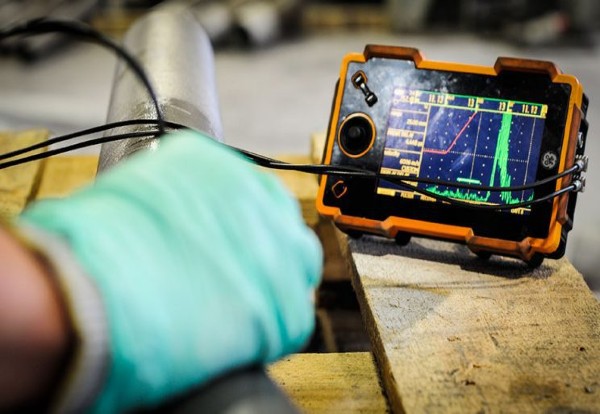
Pictured above: Non-Destructive-Testing Common NDE Techniques Used in U-Stamp Certification: Non-Destructive Examination (NDE) is a crucial aspect of the manufacturing process for pressure vessels and boilers. It involves a variety of techniques to detect flaws and defects without damaging the material. For U-Stamp certified...
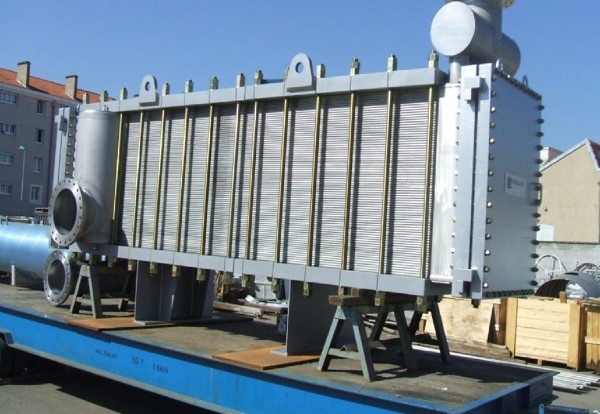
Compact heat exchangers are a type of heat exchanger designed to provide a high heat transfer rate in a small footprint. They are commonly used in applications where space is limited, such as in aerospace, automotive, and electronics industries.
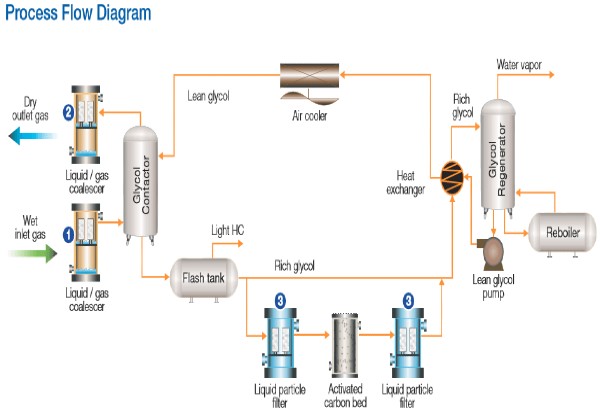
The temperature of the glycol entering the contactor has a significant effect on the gas dew point depression and should be held to within 10oF above the inlet gas temperature. Higher glycol losses and higher outlet gas dew points occur when the lean glycol...
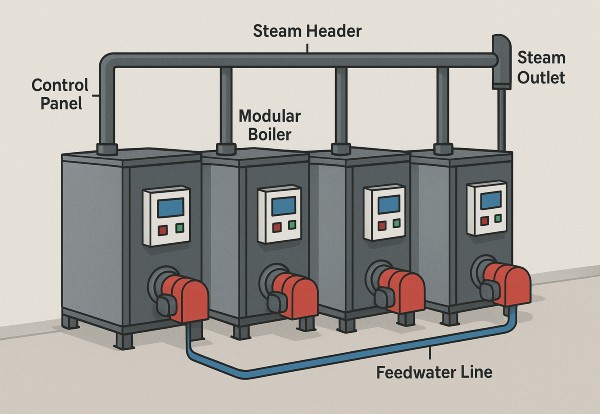
Modular boilers are compact, factory-assembled boiler units designed to work together in a series — offering scalable steam or hot water generation based on demand. Rather than relying on a single large boiler, modular systems operate with multiple small units that can be staged...
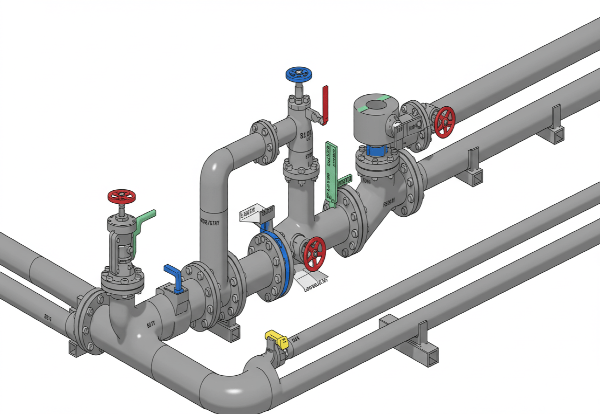
Stress analysis is a critical aspect of B31.1 piping design, ensuring that the piping system can withstand the various loads and pressures it will experience during operation.
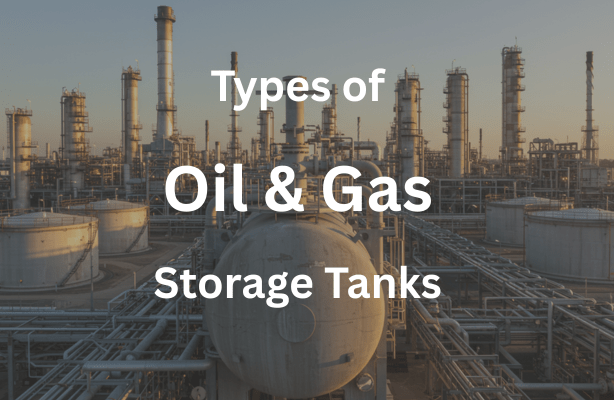
Check out this picture of different types of Oil and Gas Storage Tanks
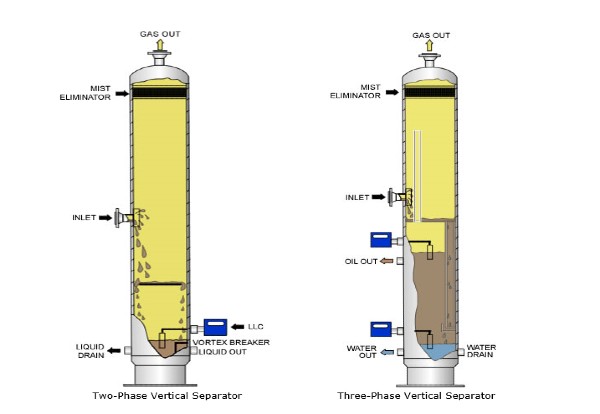
The key difference between a two-phase separator and a three-phase separator is the number of phases they are designed to separate. While a two-phase separator separates gas and liquid, a three-phase separator can handle gas, oil, and water. The design and internal components of...
Obtaining and maintaining multiple ASME® Stamp Certificates of Authorization (COAs) can be a complex endeavor for manufacturers and fabricators. This blog post will delve into the challenges and strategies associated with managing multiple COAs, focusing on the ASME® Boiler and Pressure Vessel Code (BPVC).
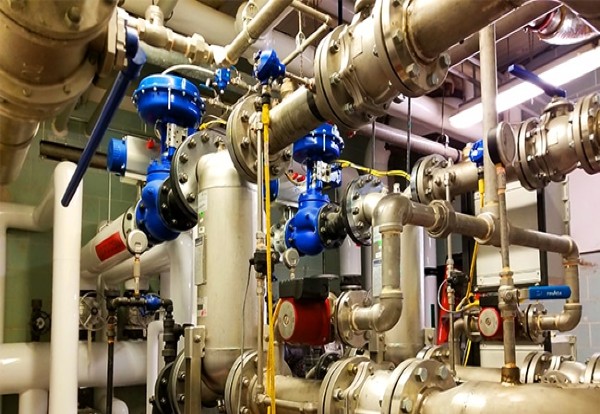
Steam-heat exchangers are used to raise the temperature of well effluents to prevent hydrate formation, reduce viscosity, and break down emulsions for efficient separation of oil and water. Because steam-heat exchangers drastically reduce risk, they are used on offshore platforms and in other work...
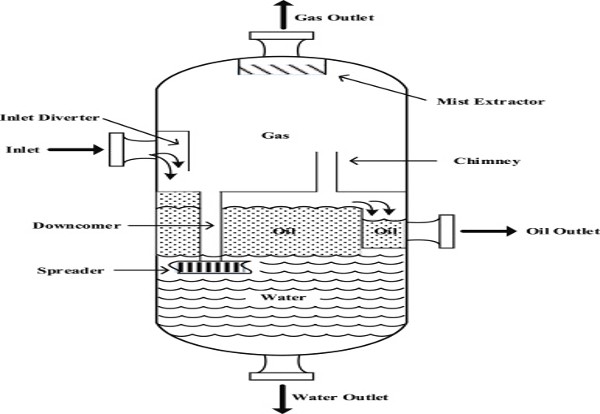
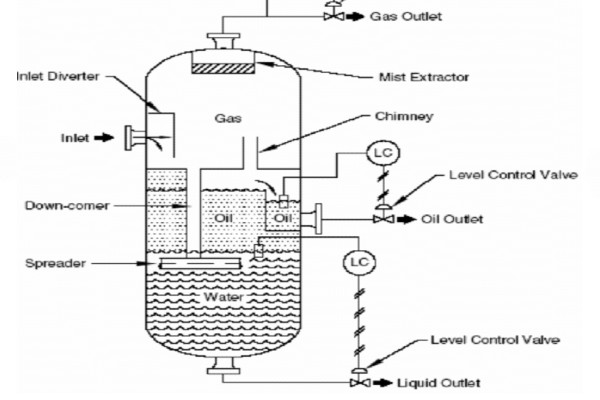
A three-phase separator is a crucial piece of equipment in the oil and gas industry, designed to separate a mixture of oil, gas, and water into its individual components. The vertical three-phase separator, equipped with a downcomer and spreader, is a particularly efficient design...
In a U-tube heat exchanger, the tubes are bent into a U-shape, with both ends of each tube connected to the same tube sheet. This design allows for thermal expansion and contraction, reducing the risk of tube failures. One fluid flows through the tubes,...
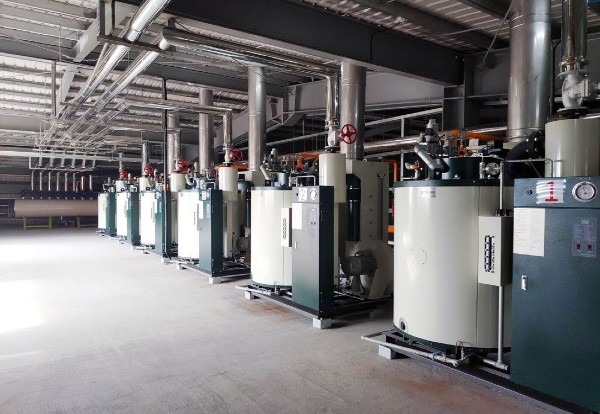
Industrial boilers are the beating heart of countless facilities—from chemical plants and refineries to food processing and textile mills. But not all boilers are created equal.
Induced draft air coolers are a type of air-cooled heat exchanger that uses fans to draw air across the finned tubes. This design offers several advantages over forced draft air coolers, including quieter operation and lower energy consumption. In an induced draft air cooler,...
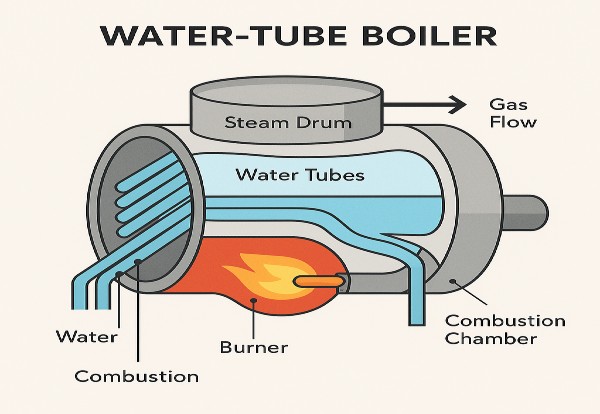
A water-tube boiler is a type of boiler where water circulates inside the tubes, and hot combustion gases flow around the outside of those tubes. This design is ideal for high-pressure applications and large steam outputs, making it the go-to choice for power plants,...
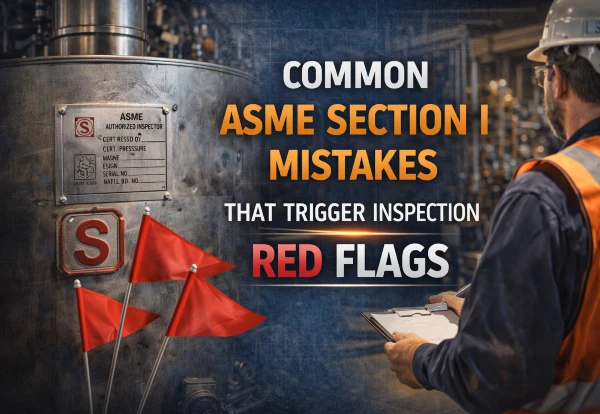
If the S-Stamp is the finish line, the Authorized Inspector (AI) is the gatekeeper holding the stopwatch. Before that stamp ever touches a boiler, inspectors are verifying far more than weld quality or paperwork completeness. They’re answering one critical question:
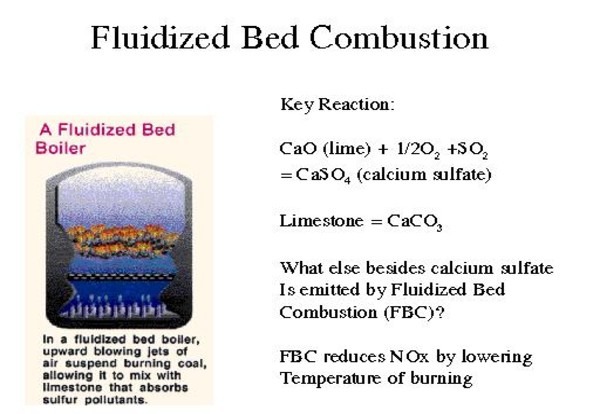
Fluidized bed boilers (FBBs) use a unique combustion method where solid fuel particles are suspended in an upward flow of air — creating a fluid-like state. This allows for highly efficient combustion at lower temperatures with improved emissions control.
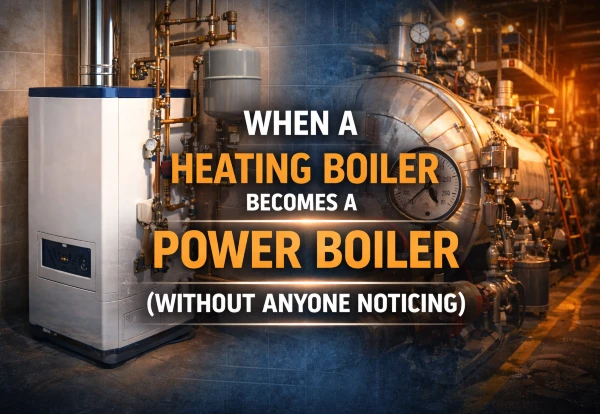
Learn how heating boilers unintentionally cross into ASME Section I power boiler classification, what inspectors look for, and how to avoid costly compliance surprises.