
Waste Heat Recovery Boilers
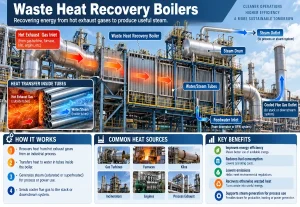
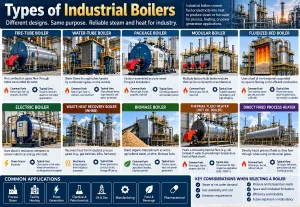
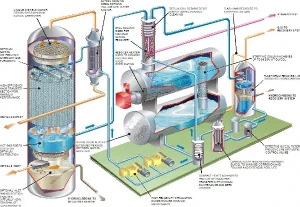
Waste heat recovery boilers (WHRBs) capture hot exhaust gases from industrial processes or engines and use that heat to generate steam or hot water — without burning additional fuel.
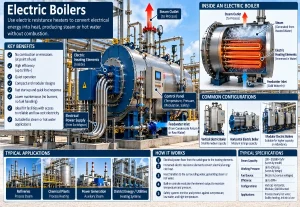
Electric boilers use electricity to generate steam or hot water — eliminating the need for fuel combustion. Unlike traditional boilers, there are no burners, gas valves, or flue stacks. Heat is generated through electrical resistance or electrode-type elements, making them clean, quiet, and often more compact.
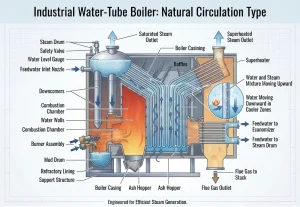
A water-tube boiler is a type of boiler where water circulates inside the tubes, and hot combustion gases flow around the outside of those tubes. This design is ideal for high-pressure applications and large steam outputs, making it the go-to choice for power plants, refineries, chemical processing, and other heavy-duty industries.
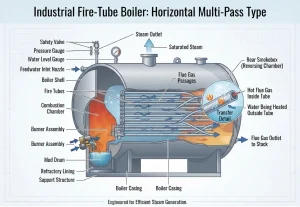
A fire-tube boiler is a type of boiler where hot gases pass through tubes, which are surrounded by water. It's one of the most common boiler types used in low- to medium-pressure steam applications — especially in heating systems, commercial buildings, and smaller industrial plants.
Industrial boilers are the beating heart of countless facilities—from chemical plants and refineries to food processing and textile mills. But not all boilers are created equal.
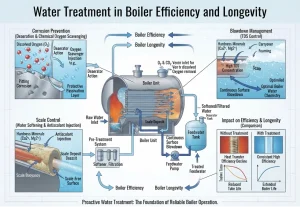
A boiler is only as healthy as the water that feeds it. Without proper treatment, boiler feedwater can quietly degrade system performance, corrode metal surfaces, and drastically reduce equipment lifespan.
In industrial operations, boiler downtime isn’t just an inconvenience—it’s a profit killer. Whether it’s lost production, emergency repair costs, or compliance penalties, a boiler failure can have far-reaching impacts. Fortunately, many of these issues are preventable with a strong, proactive maintenance strategy. In this post, we’ll cover boiler maintenance best practices that help keep systems running safely, efficiently, and reliably—while minimizing surprise shutdowns.
When it comes to industrial boilers, cutting corners isn't just risky—it’s illegal. Code compliance isn’t a formality; it’s a matter of safety, liability, and operational approval.
The ASME® BPVC specifies a range of materials that are suitable for use in pressure vessels and boilers. These materials are often listed in the ASME® Boiler and Pressure Vessel Code, Section II, Part A, and other relevant standards