

- See All Articles
- API Tanks
- ASME
- Boiler
- Dehydration Unit
- Fabrication
- Heat Exchangers
- Piping
- Production Drawings
- Repair and Alteration
- Separators
- Skid-Mounted
- Stamps
- Training Videos
- Vessel Knowledge
- Back
- Shell and Tube Heat Exchangers
- Air-Cooled Heat Exchangers
- Compact Heat Exchangers
- Other Heat Exchangers
- Back
- Sand Separators
- Three Phase Separators
- Two Phase Separators
- Gas Separator
- Magnetic Separators
- Liquid Separators
- Back
- Joint Review
- U Stamp
- UM Stamp
- PP Stamp
- S Stamp
- U2 Stamp
- H Stamp
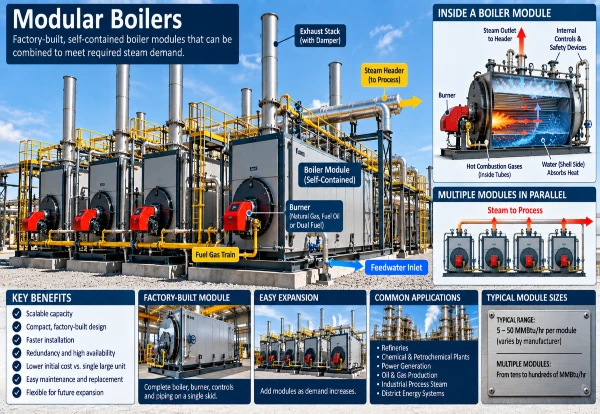
Modular boilers are compact, factory-assembled boiler units designed to work together in a series — offering scalable steam or hot water generation based on demand. Rather than relying on a single large boiler, modular systems operate with multiple small units that can be staged...
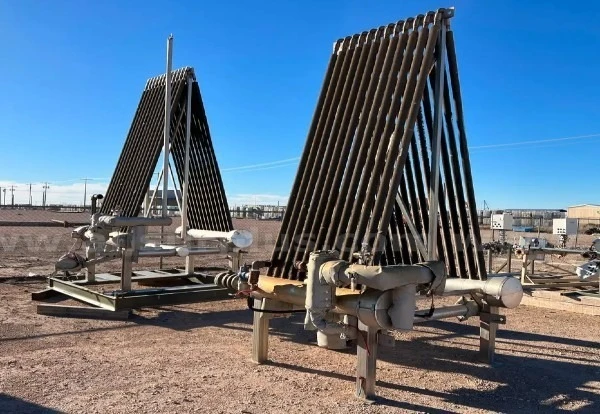
BTEX Condenser Units are essential components of natural gas dehydration processes. These units are designed to capture and condense harmful volatile organic compounds
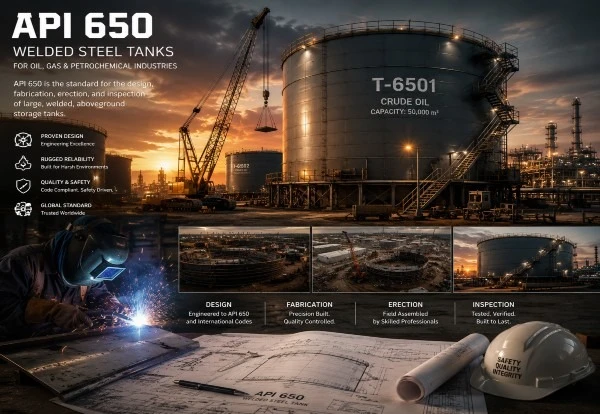
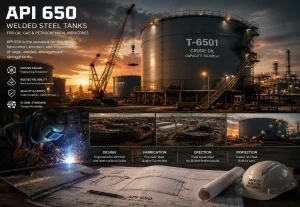
API 650 and API 653 are two of the most common standards associated with aboveground storage tanks. Because both are connected to API storage tanks, they are sometimes confused with each other.
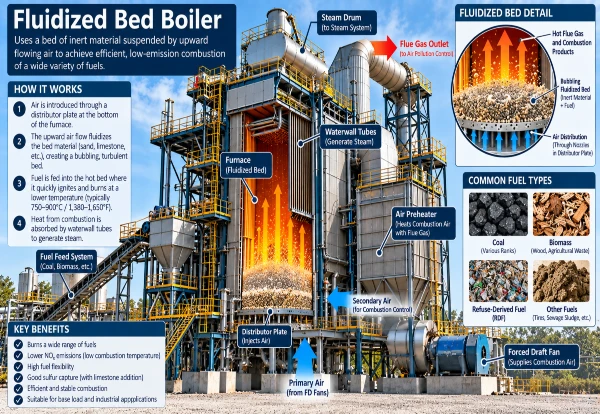
Fluidized bed boilers (FBBs) use a unique combustion method where solid fuel particles are suspended in an upward flow of air — creating a fluid-like state. This allows for highly efficient combustion at lower temperatures with improved emissions control.
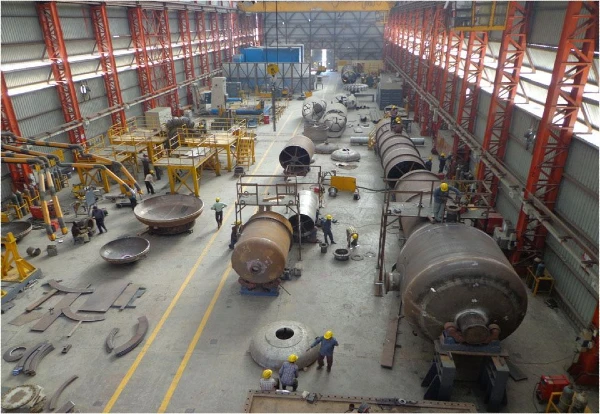
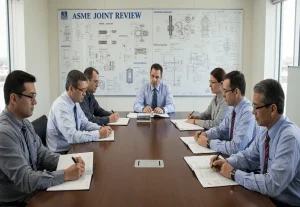
Applicants for new issuance or renewal of an ASME® Certificate(s) of Authorization should be aware that the Joint Review will require implementation and demonstration of their Quality Control Program. The purpose of the demonstration is to have the Applicant provide evidence of their knowledge...
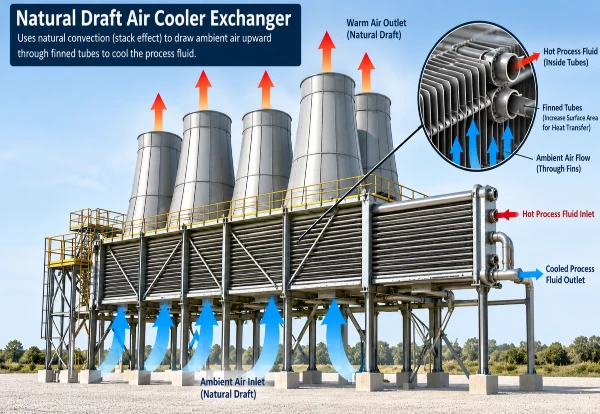
A natural draft air cooler typically consists of a tall, tower-like structure with a large number of finned tubes. The hot process fluid flows through the tubes, and the heat is transferred to the surrounding air. The heated air rises due to natural convection,...
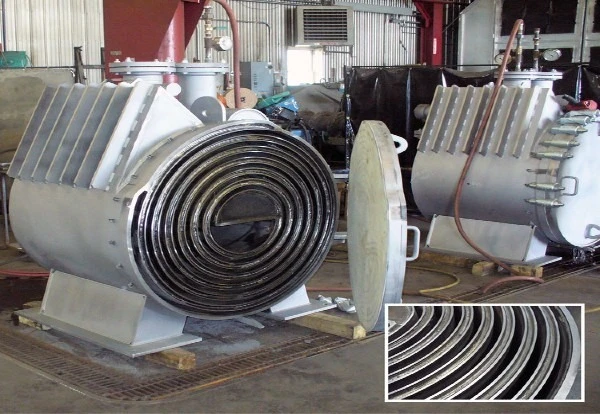
A spiral heat exchanger consists of two spiral-wound channels, one for each fluid. The two channels are separated by a partition, and the fluids flow in opposite directions through the channels. This counter-current flow arrangement maximizes heat transfer efficiency. Spiral heat exchangers are a...
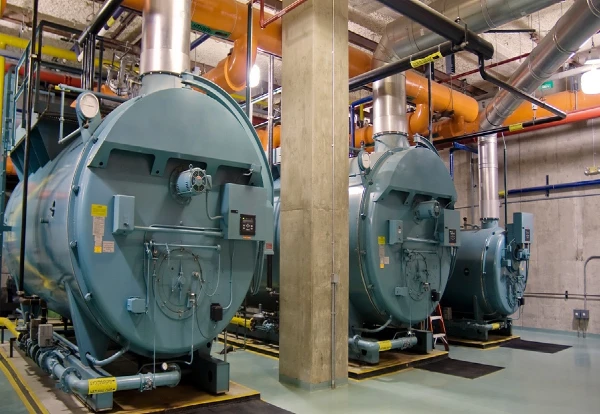
In industrial operations, boiler downtime isn’t just an inconvenience—it’s a profit killer. Whether it’s lost production, emergency repair costs, or compliance penalties, a boiler failure can have far-reaching impacts. Fortunately, many of these issues are preventable with a strong, proactive maintenance strategy. In this...
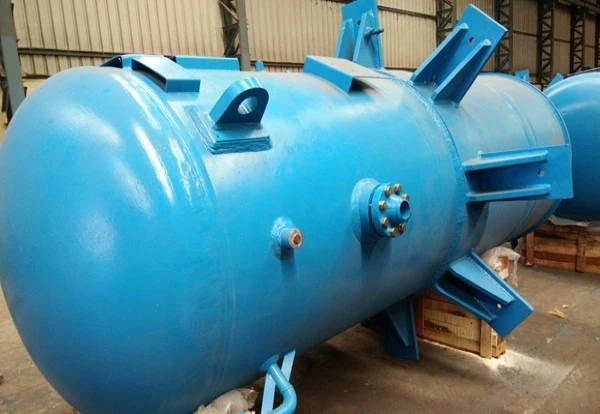
A U2-Stamp is a certification mark issued by the National Board of Boiler and Pressure Vessel Inspectors (NBBPVI). It authorizes a manufacturer to repair and alter existing pressure vessels and boilers. This certification ensures that repairs and alterations are performed in accordance with the...
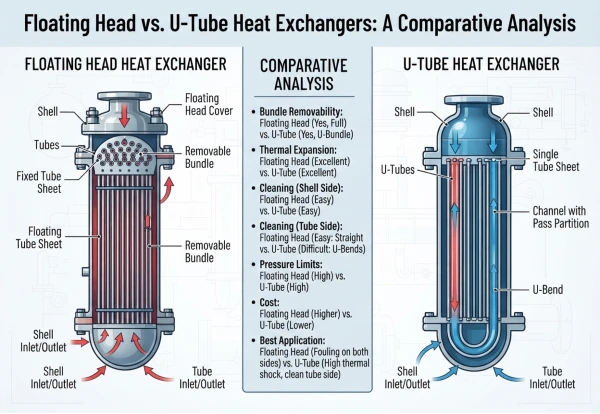
Shell and tube heat exchangers are a common type of heat exchanger used in various industries. Within this category, two primary designs stand out: floating head and U-tube. Each design has its own advantages and disadvantages, making it suitable for specific applications.
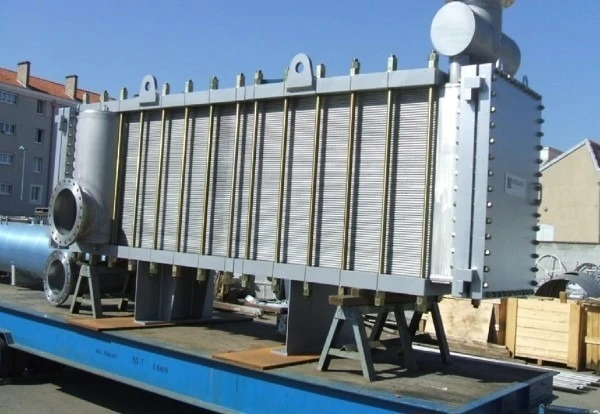
Compact heat exchangers are a type of heat exchanger designed to provide a high heat transfer rate in a small footprint. They are commonly used in applications where space is limited, such as in aerospace, automotive, and electronics industries.
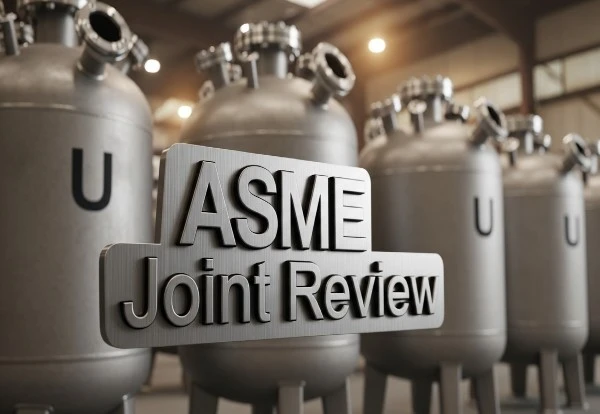
Go into your Joint Review with confidence. Use our Pre-Joint Review checklist to help determine if you have what you need or just get you on the track.
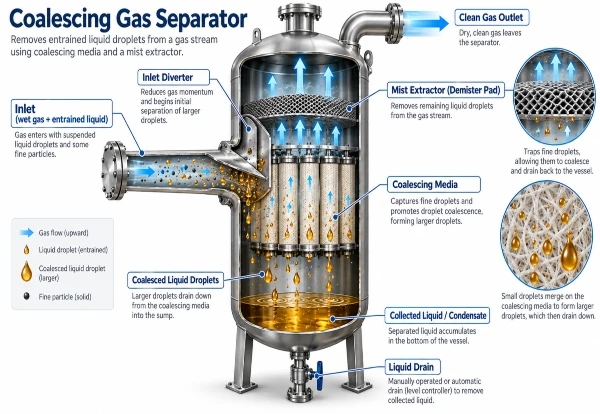
Coalescing gas separators are designed specifically for the removal of mist, fog, and dust from gas streams. These contaminants usually exist with the bulk of the particles having diameters considerably less than 10 microns; therefore, standard separators or scrubbers are not capable of effectively...

Stringent regulations on air pollution are being implemented globally, urging companies to adopt necessary measures. Gas scrubbers are legally mandated in industries where employees are exposed to potentially contaminated gases, making them a widely employed method for pollution control.
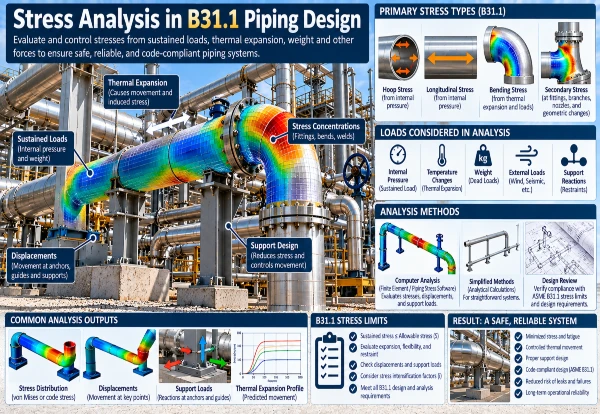
Stress analysis is a critical aspect of B31.1 piping design, ensuring that the piping system can withstand the various loads and pressures it will experience during operation.
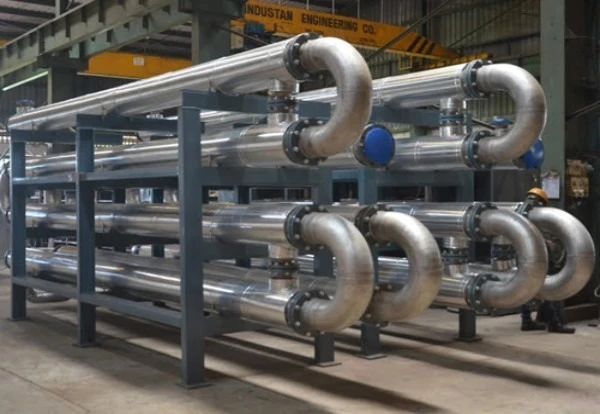
Double-pipe heat exchangers are a simple yet effective type of heat exchanger that consists of two concentric pipes. One fluid flows through the inner pipe, while the other fluid flows through the annular space between the two pipes. This design provides a compact and...
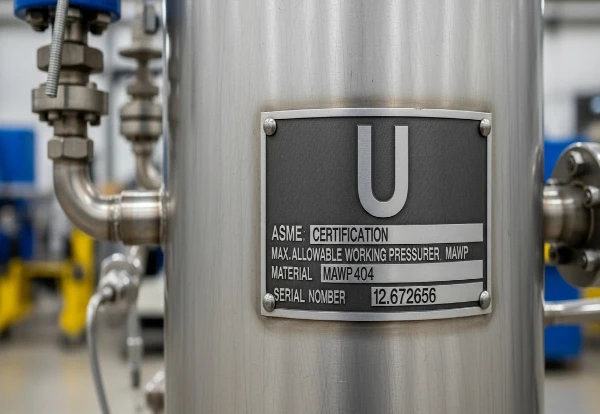
A U-Stamp is a certification mark issued by ASME American Society of Mechanical Engineers). It signifies that a pressure vessel has been manufactured and inspected in accordance
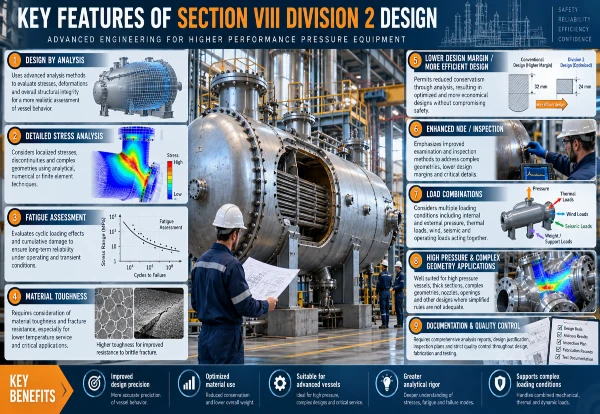
ASME® Section VIII, Division 2 provides an alternative design approach to pressure vessel construction by allowing higher design stress levels in exchange for more rigorous design analysis, material testing, and quality control.
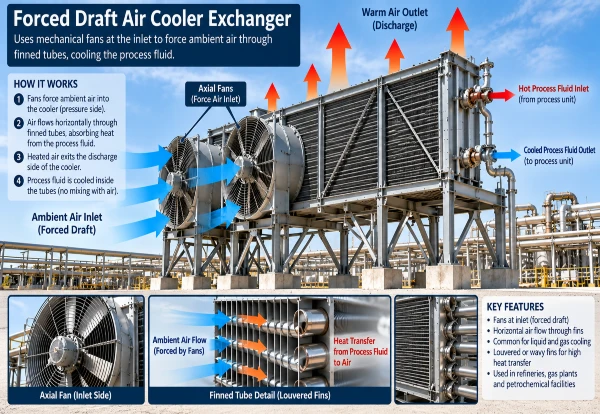
A forced draft air cooler typically consists of a bundle of finned tubes arranged in a specific configuration. The process fluid flows through the tubes, while air is forced across the fins by fans. The heat from the process fluid is transferred to the...
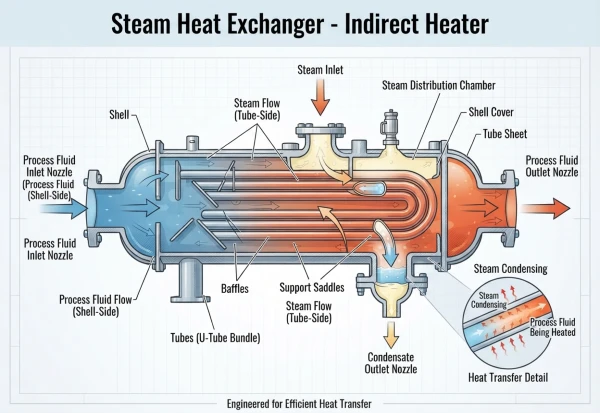
Steam Heat Exchanger - Indirect Heater is used to heat the well effluent after it flows out of the well and prior to the separating process. This type of heat exchanger is also called a direct heating furnace which allows it to heat up...
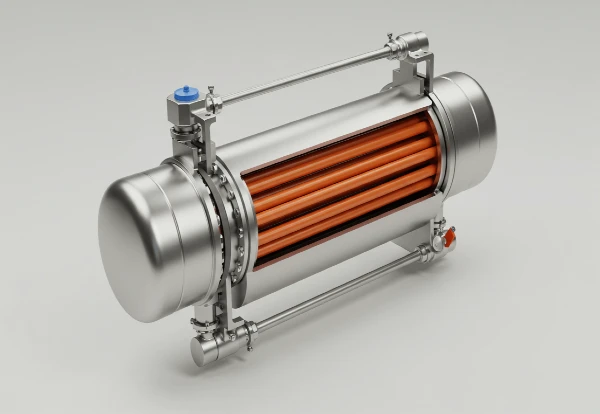
Floating head heat exchangers are a type of shell and tube heat exchanger designed to accommodate thermal expansion and contraction of the tube bundle. This design is particularly useful for high-pressure applications where significant temperature differences can occur between the shell-side and tube-side fluids.
- See All Articles
- API Tanks
- ASME
- Boiler
- Dehydration Unit
- Fabrication
- Heat Exchangers
- Piping
- Production Drawings
- Repair and Alteration
- Separators
- Skid-Mounted
- Stamps
- Training Videos
- Vessel Knowledge
- Back
- Shell and Tube Heat Exchangers
- Air-Cooled Heat Exchangers
- Compact Heat Exchangers
- Other Heat Exchangers
- Back
- Sand Separators
- Three Phase Separators
- Two Phase Separators
- Gas Separator
- Magnetic Separators
- Liquid Separators
- Back
- Joint Review
- U Stamp
- UM Stamp
- PP Stamp
- S Stamp
- U2 Stamp
- H Stamp
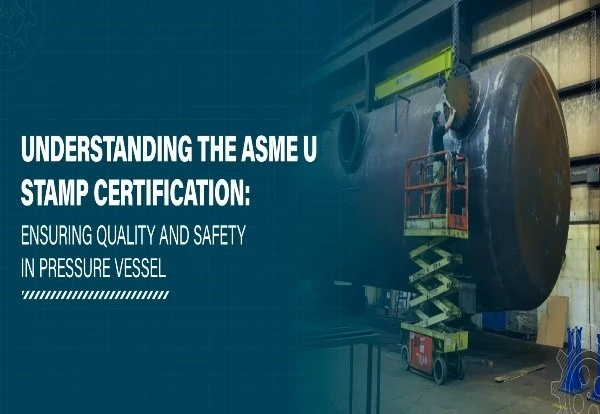
A U-Stamp is a certification mark issued by the National Board of Boiler and Pressure Vessel Inspectors (NBBPVI). It signifies that a pressure vessel has been manufactured and inspected in accordance with the rigorous standards outlined in the ASME® Boiler and Pressure Vessel Code...
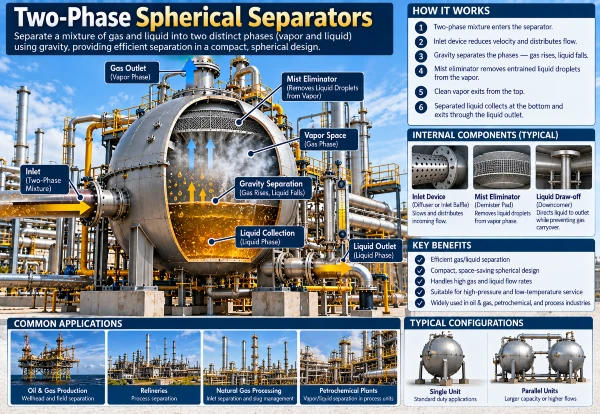
Two-Phase Spherical Separators operate on the principle of gravity separation. When a gas-liquid mixture enters the vessel, the heavier liquid phase settles to the bottom, while the lighter gas phase rises to the top. The unique spherical shape of the vessel promotes efficient separation...
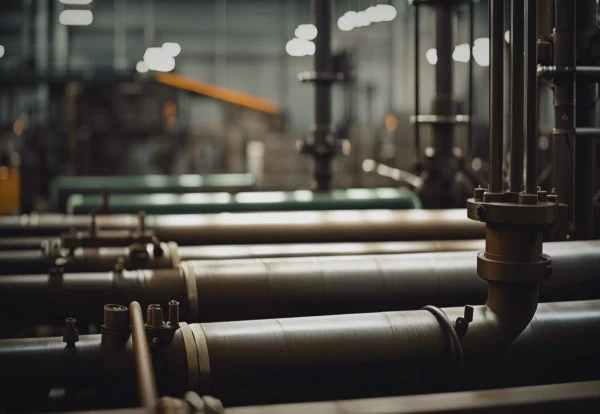
The PP-Stamp is a certification mark issued by the National Board of Boiler and Pressure Vessel Inspectors (NBBPVI). It signifies that a manufacturer is authorized to weld, fit, manufacture, and install piping and components that attach to external piping used for power boilers and...
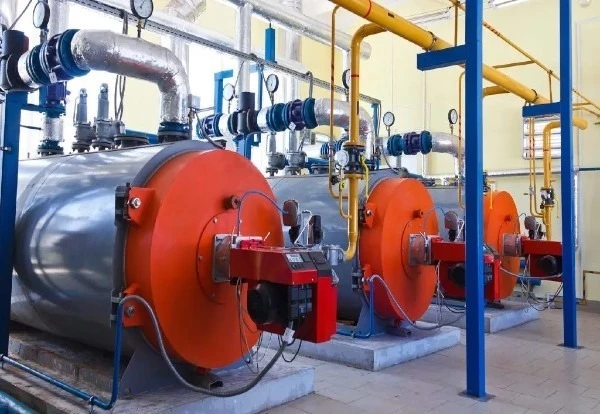
An S-Stamp is a certification mark issued by the National Board of Boiler and Pressure Vessel Inspectors (NBBPVI). It signifies that a manufacturer is authorized to build and stamp power boilers, which are pressure vessels designed to generate steam for various applications, such as...
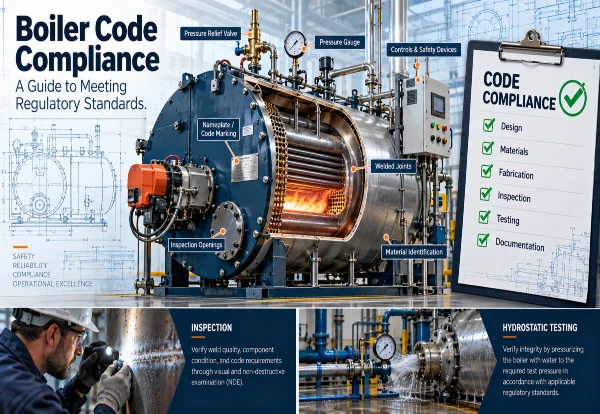
When it comes to industrial boilers, cutting corners isn't just risky—it’s illegal. Code compliance isn’t a formality; it’s a matter of safety, liability, and operational approval.
Steam Heat Exchanger - Indirect Heater is used to heat the well effluent after it flows out of the well and prior to the separating process. This type of heat exchanger is also called a direct heating furnace which allows it to heat up...
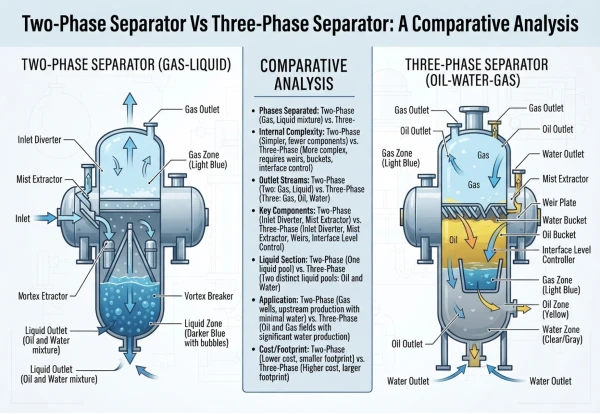
The key difference between a two-phase separator and a three-phase separator is the number of phases they are designed to separate. While a two-phase separator separates gas and liquid, a three-phase separator can handle gas, oil, and water. The design and internal components of...
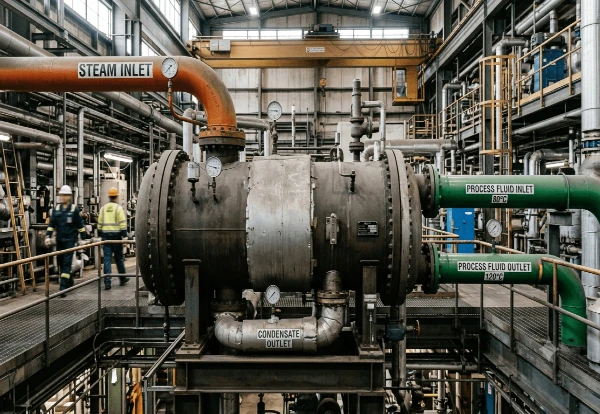
Steam-heat exchangers are used to raise the temperature of well effluents to prevent hydrate formation, reduce viscosity, and break down emulsions for efficient separation of oil and water. Because steam-heat exchangers drastically reduce risk, they are used on offshore platforms and in other work...
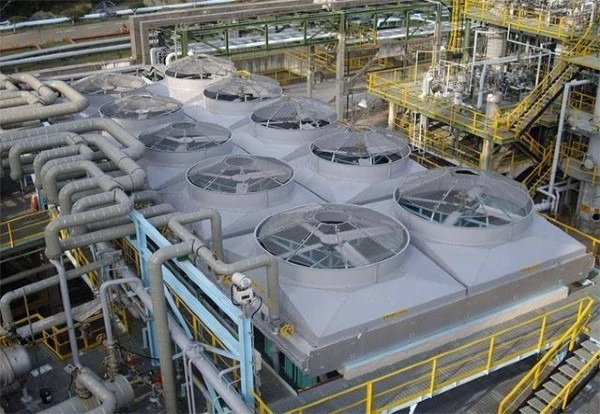
Induced draft air coolers are a type of air-cooled heat exchanger that uses fans to draw air across the finned tubes. This design offers several advantages over forced draft air coolers, including quieter operation and lower energy consumption. In an induced draft air cooler,...
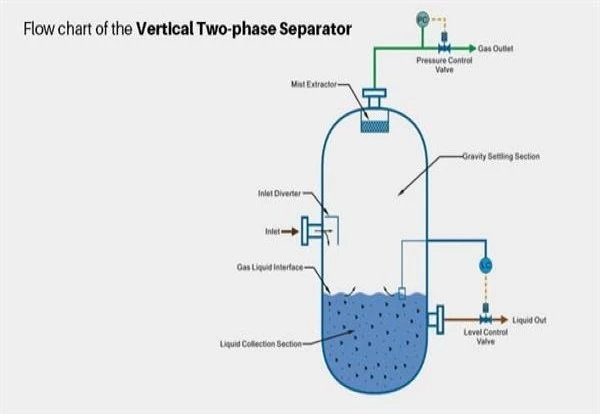
A vertical separator is a cylindrical vessel that is oriented vertically. When a gas-liquid mixture enters the separator, the heavier liquid phase settles to the bottom, while the lighter gas phase rises to the top. The liquid phase is then drawn off through a...
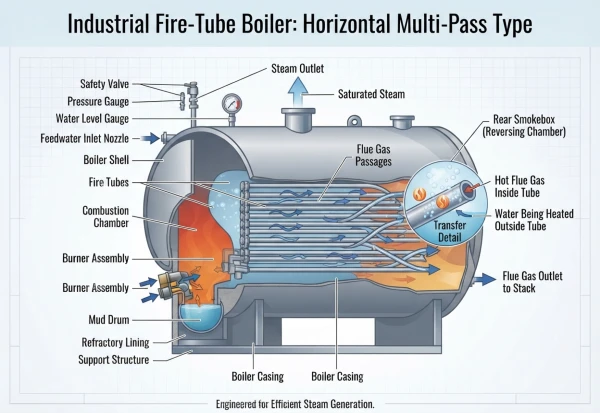
A fire-tube boiler is a type of boiler where hot gases pass through tubes, which are surrounded by water. It's one of the most common boiler types used in low- to medium-pressure steam applications — especially in heating systems, commercial buildings, and smaller industrial...
ASME® Section VIII, Division 2 provides an alternative design approach to pressure vessel construction by allowing higher design stress levels in exchange for more rigorous design analysis, material testing, and quality control.
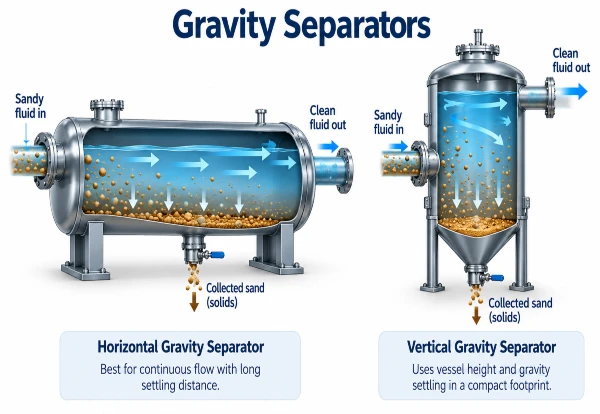
Gravity separators are a fundamental type of separation equipment that leverages the principle of density difference to separate solid particles from liquids or different liquid phases from each other. They are widely used in various industries, including oil and gas, water treatment, and mining.
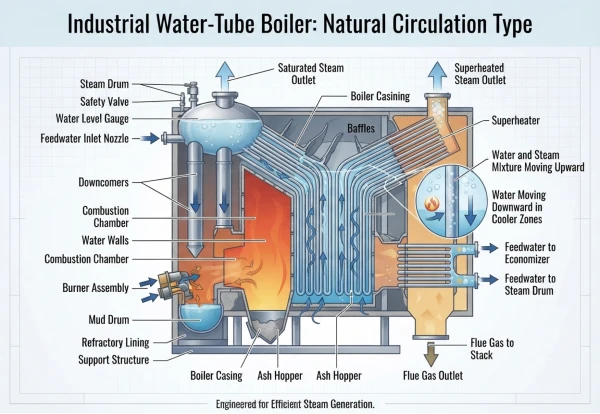
A water-tube boiler is a type of boiler where water circulates inside the tubes, and hot combustion gases flow around the outside of those tubes. This design is ideal for high-pressure applications and large steam outputs, making it the go-to choice for power plants,...
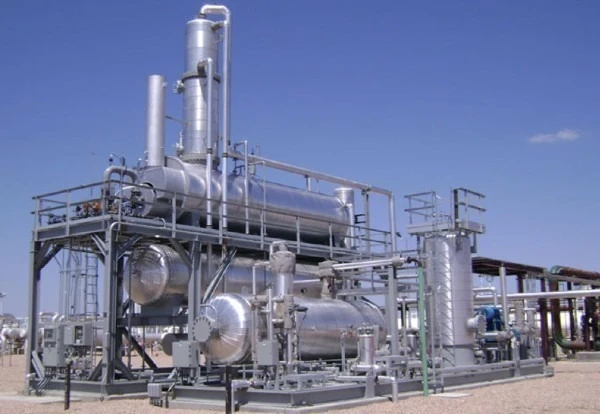
Glycol dehydrators, also known as gas dehydrators or TEG units, are used to remove water vapor from natural gas. The process of dehydration is important for two reasons.
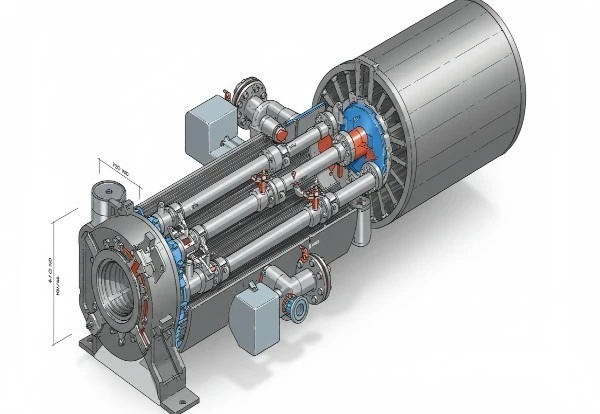
Cold heat exchangers, also known as condensers, are essential components in refrigeration and air conditioning systems. They transfer heat from a refrigerant to a cooling medium, typically air or water, to condense the refrigerant vapor into a liquid state.
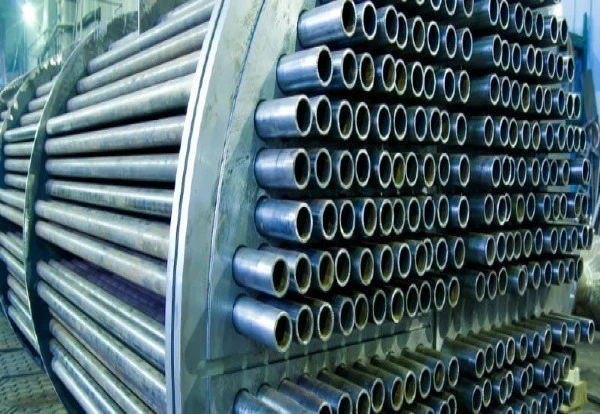
Heat exchangers are used to transfer heat from one medium to another. These media may be a gas, liquid, or a combination of both. The media may be separated by a solid wall to prevent mixing or may be in direct contact.
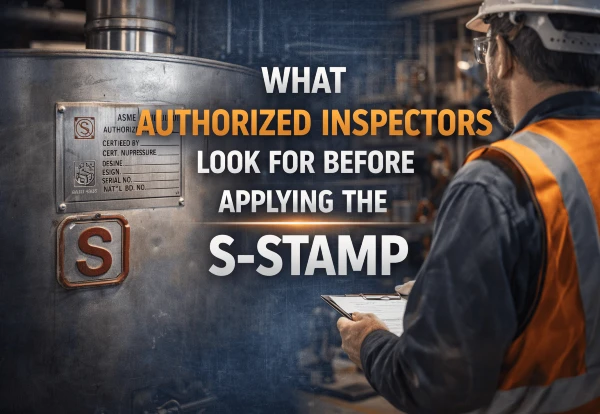
If the S-Stamp is the finish line, the Authorized Inspector (AI) is the gatekeeper holding the stopwatch. Before that stamp ever touches a boiler, inspectors are verifying far more than weld quality or paperwork completeness. They’re answering one critical question:
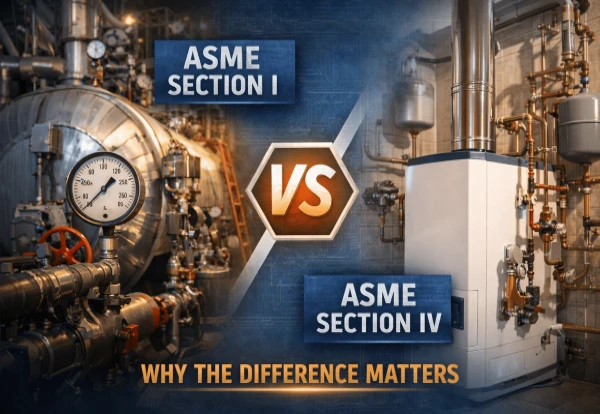
Learn the key differences between ASME Section I and Section IV boilers, including pressure limits, inspection requirements, and why choosing the right code matters for safety and compliance.
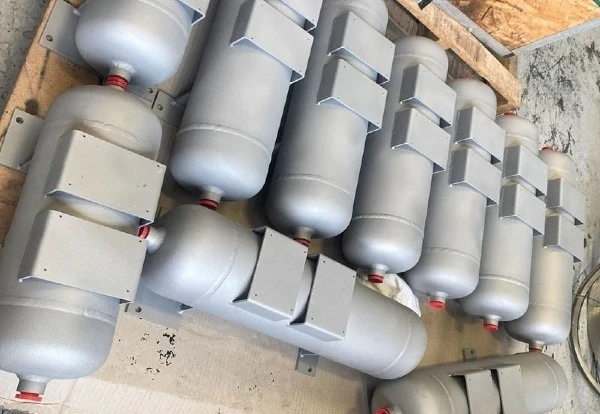
A UM-Stamp is a certification mark issued by the National Board of Boiler and Pressure Vessel Inspectors (NBBPVI). It authorizes a manufacturer to repair and alter existing pressure vessels and boilers. This certification ensures that repairs and alterations are performed in accordance with the...
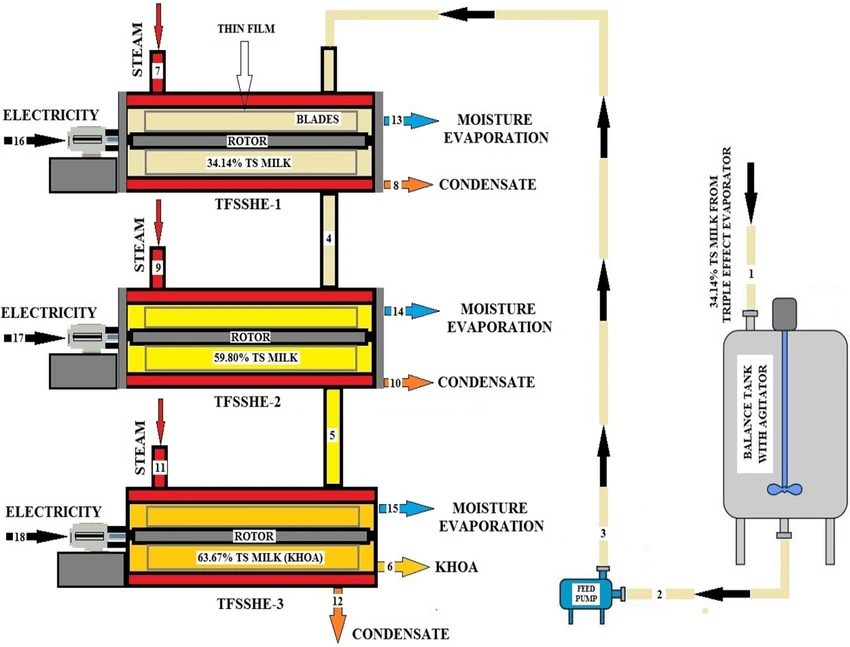
A scraped surface heat exchanger consists of a cylindrical shell with a rotating shaft inside. The shaft is fitted with blades or scrapers that continuously scrape the inner surface of the shell. This scraping action prevents the formation of product buildup on the heat...