

- See All Articles
- API Tanks
- ASME
- Boiler
- Dehydration Unit
- Fabrication
- Heat Exchangers
- Piping
- Production Drawings
- Repair and Alteration
- Separators
- Skid-Mounted
- Stamps
- Training Videos
- Vessel Knowledge
- Back
- Shell and Tube Heat Exchangers
- Air-Cooled Heat Exchangers
- Compact Heat Exchangers
- Other Heat Exchangers
- Back
- Sand Separators
- Three Phase Separators
- Two Phase Separators
- Gas Separator
- Magnetic Separators
- Liquid Separators
- Back
- Joint Review
- U Stamp
- UM Stamp
- PP Stamp
- S Stamp
- U2 Stamp
- H Stamp
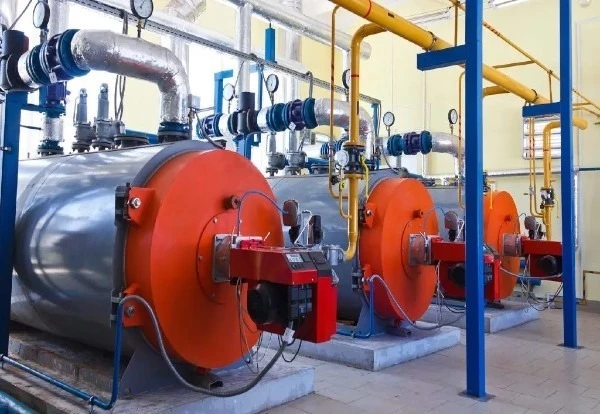
An S-Stamp is a certification mark issued by the National Board of Boiler and Pressure Vessel Inspectors (NBBPVI). It signifies that a manufacturer is authorized to build and stamp power boilers, which are pressure vessels designed to generate steam for various applications, such as...
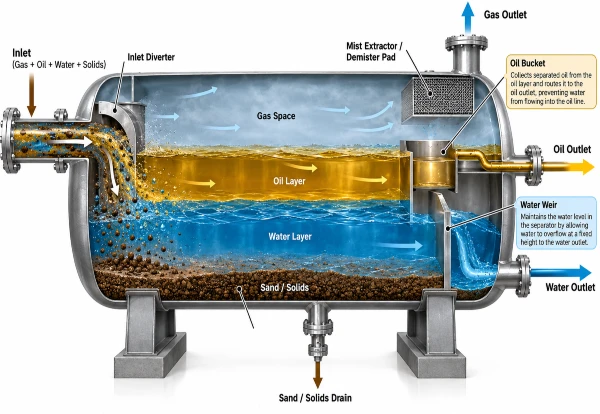
In a horizontal three-phase separator with an oil bucket and water weir, the vessel does not require an active interface controller. As the oil separates on top of the water it spills over the weir plate and into the oil bucket. The oil level...
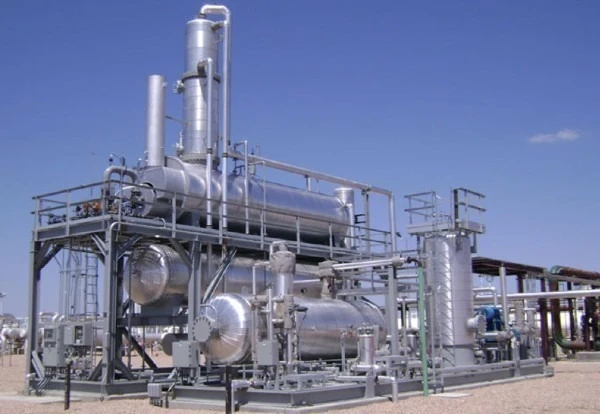
Glycol dehydrators, also known as gas dehydrators or TEG units, are used to remove water vapor from natural gas. The process of dehydration is important for two reasons.
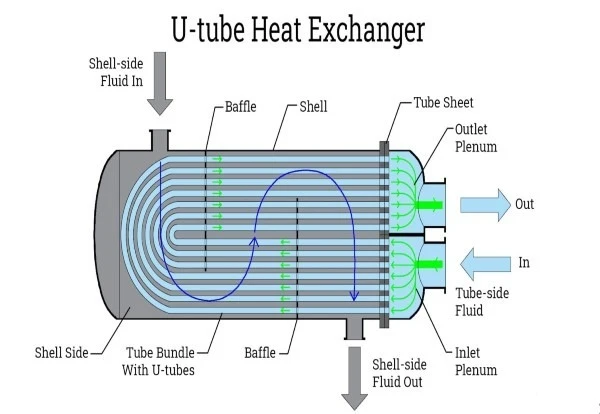
In a U-tube heat exchanger, the tubes are bent into a U-shape, with both ends of each tube connected to the same tube sheet. This design allows for thermal expansion and contraction, reducing the risk of tube failures. One fluid flows through the tubes,...
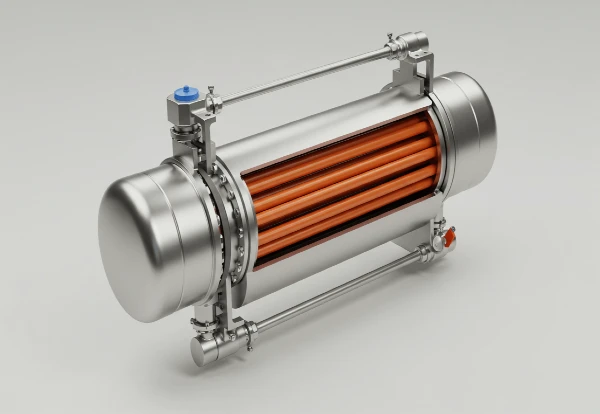
Floating head heat exchangers are a type of shell and tube heat exchanger designed to accommodate thermal expansion and contraction of the tube bundle. This design is particularly useful for high-pressure applications where significant temperature differences can occur between the shell-side and tube-side fluids.

A three-phase separator is a crucial piece of equipment in the oil and gas industry, designed to separate a mixture of oil, gas, and water into its individual components. The vertical three-phase separator, equipped with a downcomer and spreader, is a particularly efficient design...
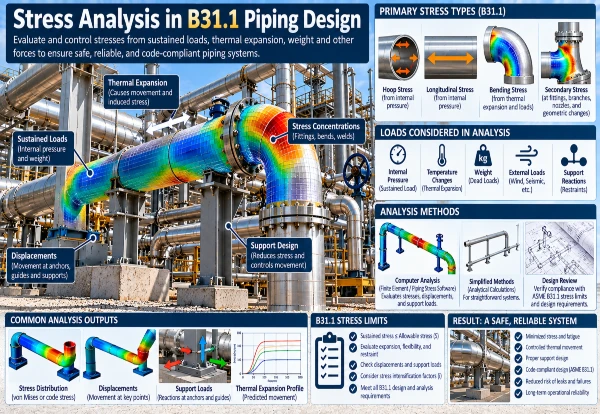
Stress analysis is a critical aspect of B31.1 piping design, ensuring that the piping system can withstand the various loads and pressures it will experience during operation.
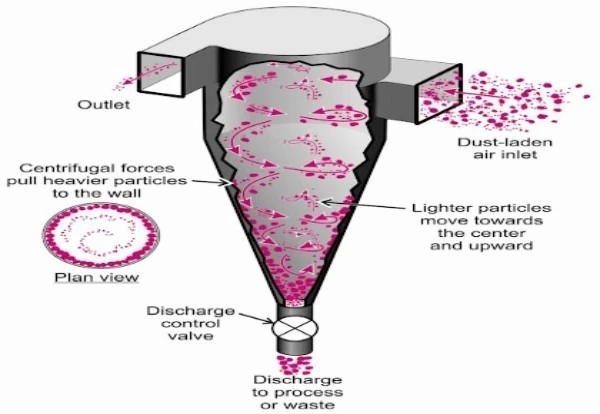
Cyclone separators are a type of mechanical separator that uses centrifugal force to separate solid particles from a gas or liquid stream. They are widely used in various industries, including mining, chemical processing, and environmental engineering.
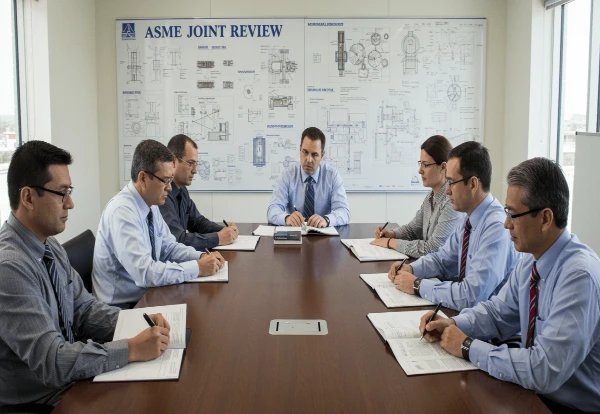
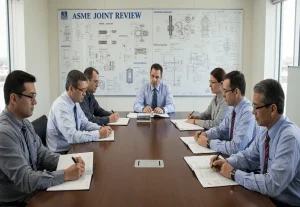
An ASME® Joint Review is a rigorous process conducted by the National Board of Boiler and Pressure Vessel Inspectors (NBBPVI) to assess the quality and safety of pressure vessels and boilers.
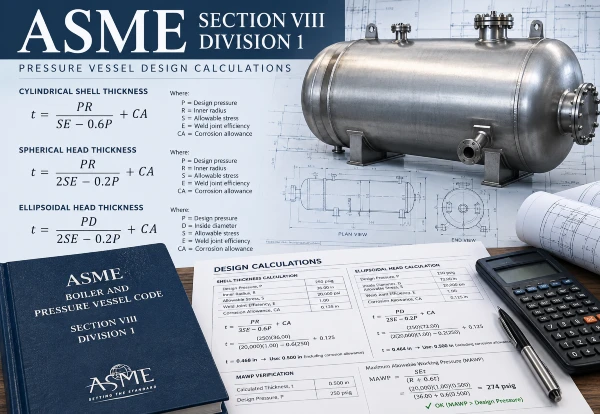
ASME® Section VIII, Division 1 provides the foundational framework for designing, constructing, and inspecting pressure vessels.
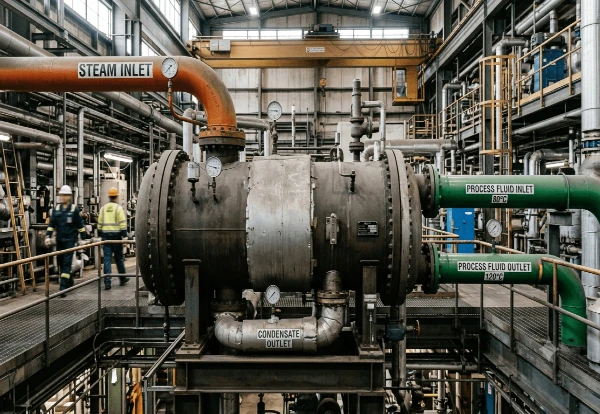
Steam-heat exchangers are used to raise the temperature of well effluents to prevent hydrate formation, reduce viscosity, and break down emulsions for efficient separation of oil and water. Because steam-heat exchangers drastically reduce risk, they are used on offshore platforms and in other work...
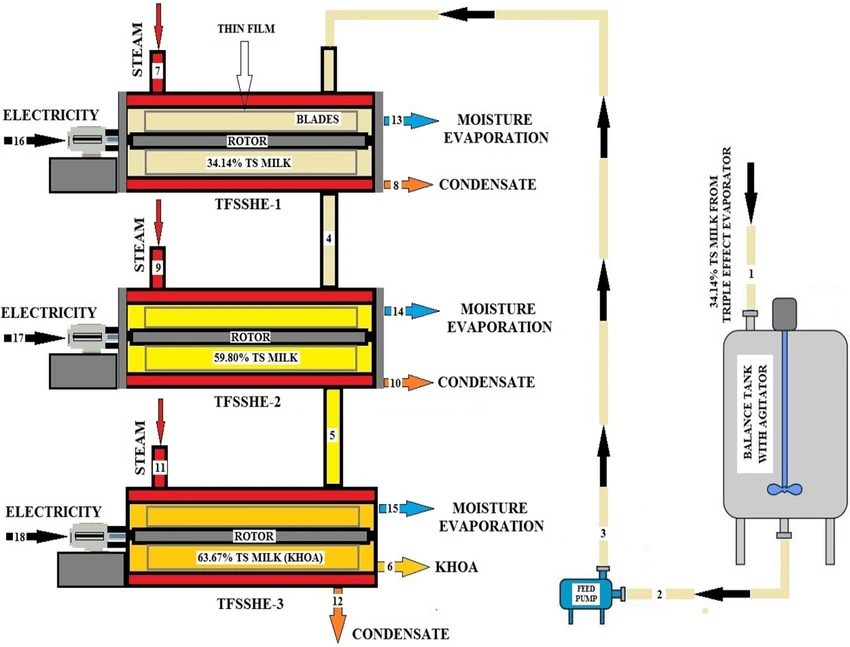
A scraped surface heat exchanger consists of a cylindrical shell with a rotating shaft inside. The shaft is fitted with blades or scrapers that continuously scrape the inner surface of the shell. This scraping action prevents the formation of product buildup on the heat...
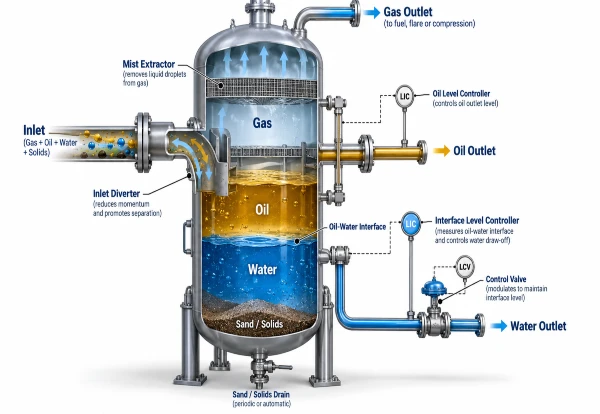
A three-phase separator is a crucial piece of equipment in the oil and gas industry, designed to separate a mixture of oil, gas, and water into its individual components. The vertical three-phase separator, equipped with interface control, is a particularly efficient design for maintaining...
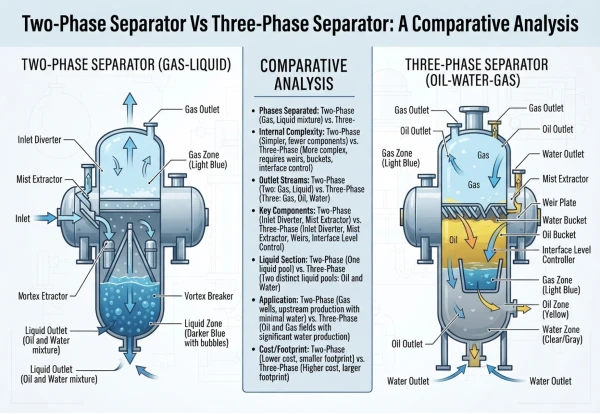
The key difference between a two-phase separator and a three-phase separator is the number of phases they are designed to separate. While a two-phase separator separates gas and liquid, a three-phase separator can handle gas, oil, and water. The design and internal components of...
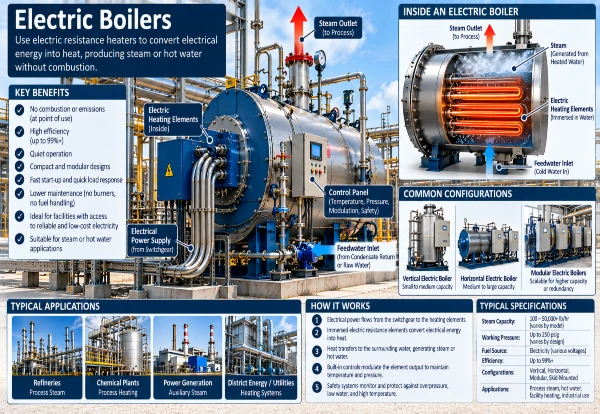
Electric boilers use electricity to generate steam or hot water — eliminating the need for fuel combustion. Unlike traditional boilers, there are no burners, gas valves, or flue stacks. Heat is generated through electrical resistance or electrode-type elements, making them clean, quiet, and often...
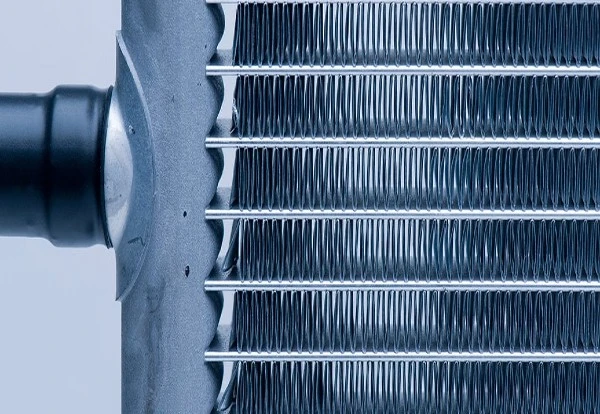
Microchannel heat exchangers are a type of heat exchanger with channels that have characteristic dimensions in the micrometer range. These tiny channels offer significant advantages in terms of heat transfer efficiency and compact design. In a microchannel heat exchanger, the two fluids flow through...
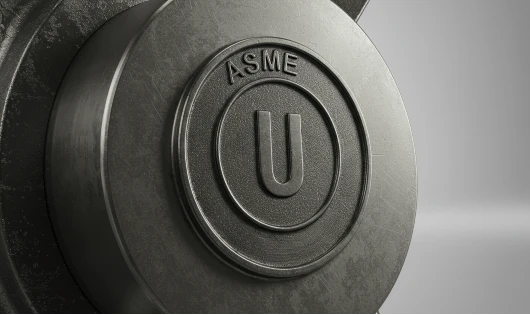
Certification is a pinnacle achievement for fabrication shops, signifying a commitment to excellence and adherence to rigorous quality standards. This distinction sets certified shops apart from those lacking formal documentation, solidifying their reputation for producing world-class products.
Go into your Joint Review with confidence. Use our Pre-Joint Review checklist to help determine if you have what you need or just get you on the track.
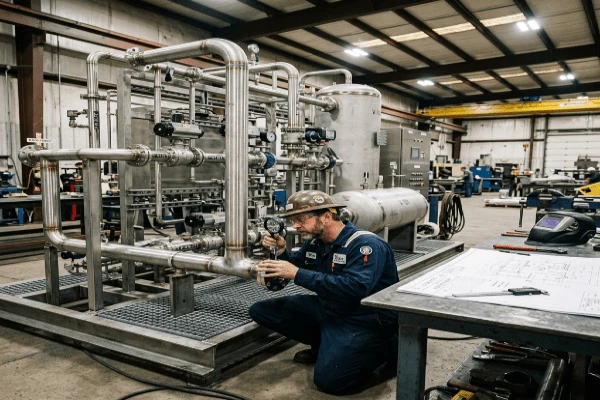
Skid-mounted units, often referred to simply as “skids,” are self-contained process systems or equipment packages that are fabricated
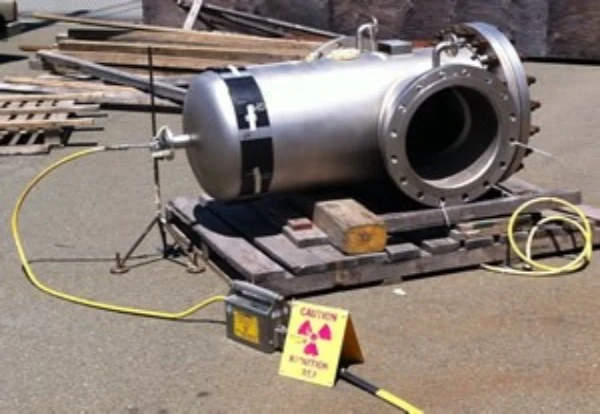
Radiographic Testing (RT) is a powerful NDE technique widely used in the manufacturing of pressure vessels and boilers. It involves the use of ionizing radiation to penetrate the material and create an image of internal features.
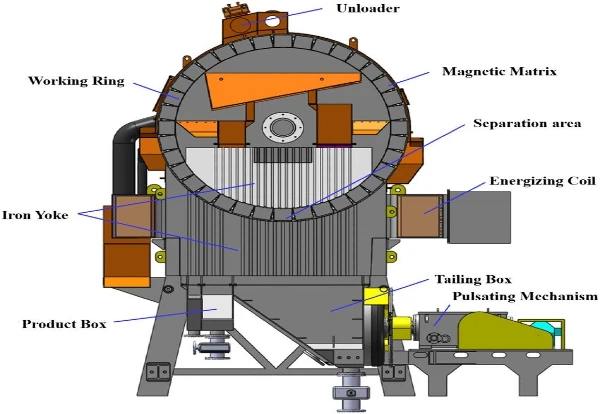
Magnetic separators utilize magnetic forces to separate magnetic materials from non-magnetic materials. They are widely used in various industries, including mining, recycling, and food processing. Magnetic separators are a valuable tool for separating materials based on their magnetic properties. By understanding the principles of...
- See All Articles
- API Tanks
- ASME
- Boiler
- Dehydration Unit
- Fabrication
- Heat Exchangers
- Piping
- Production Drawings
- Repair and Alteration
- Separators
- Skid-Mounted
- Stamps
- Training Videos
- Vessel Knowledge
- Back
- Shell and Tube Heat Exchangers
- Air-Cooled Heat Exchangers
- Compact Heat Exchangers
- Other Heat Exchangers
- Back
- Sand Separators
- Three Phase Separators
- Two Phase Separators
- Gas Separator
- Magnetic Separators
- Liquid Separators
- Back
- Joint Review
- U Stamp
- UM Stamp
- PP Stamp
- S Stamp
- U2 Stamp
- H Stamp
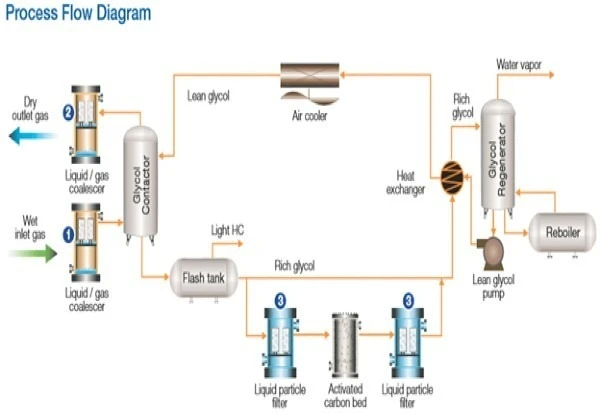
The temperature of the glycol entering the contactor has a significant effect on the gas dew point depression and should be held to within 10oF above the inlet gas temperature. Higher glycol losses and higher outlet gas dew points occur when the lean glycol...
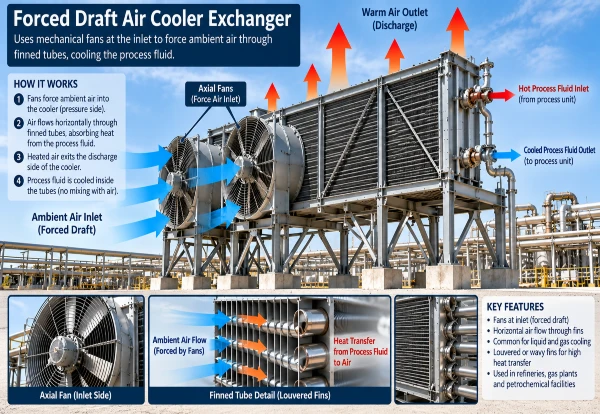
A forced draft air cooler typically consists of a bundle of finned tubes arranged in a specific configuration. The process fluid flows through the tubes, while air is forced across the fins by fans. The heat from the process fluid is transferred to the...
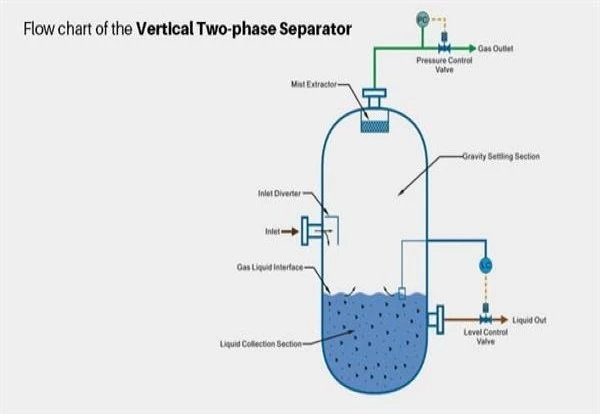
A vertical separator is a cylindrical vessel that is oriented vertically. When a gas-liquid mixture enters the separator, the heavier liquid phase settles to the bottom, while the lighter gas phase rises to the top. The liquid phase is then drawn off through a...
An ASME® Joint Review is a rigorous process conducted by the National Board of Boiler and Pressure Vessel Inspectors (NBBPVI) to assess the quality and safety of pressure vessels and boilers.
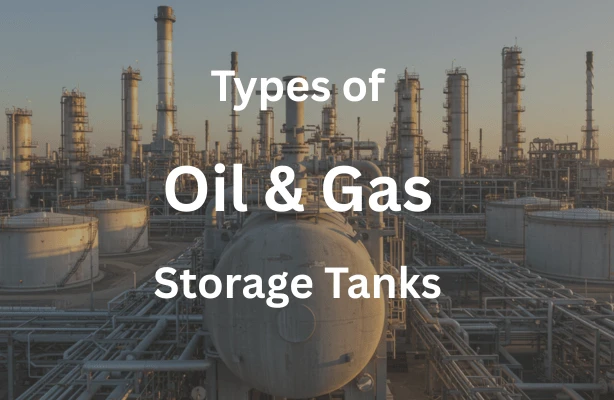
Check out this picture of different types of Oil and Gas Storage Tanks

Stringent regulations on air pollution are being implemented globally, urging companies to adopt necessary measures. Gas scrubbers are legally mandated in industries where employees are exposed to potentially contaminated gases, making them a widely employed method for pollution control.
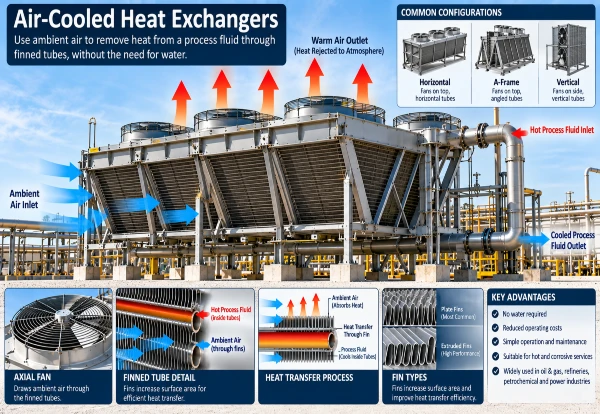
Air-cooled heat exchangers typically consist of a bundle of tubes through which the process fluid flows. Fins are attached to the tubes to increase the surface area for heat transfer. Air is forced or drawn across the finned tubes, removing heat from the process...
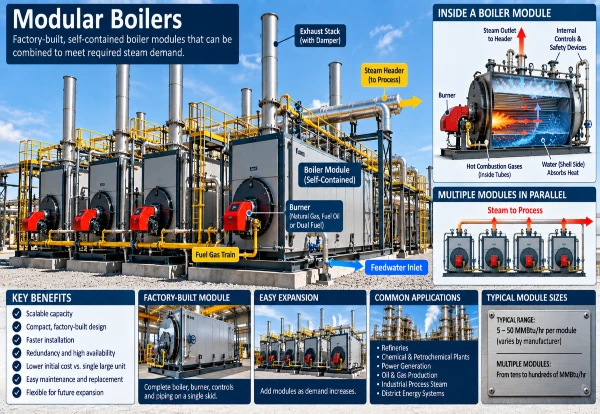
Modular boilers are compact, factory-assembled boiler units designed to work together in a series — offering scalable steam or hot water generation based on demand. Rather than relying on a single large boiler, modular systems operate with multiple small units that can be staged...
A three-phase separator is a crucial piece of equipment in the oil and gas industry, designed to separate a mixture of oil, gas, and water into its individual components. The vertical three-phase separator, equipped with interface control, is a particularly efficient design for maintaining...
In a U-tube heat exchanger, the tubes are bent into a U-shape, with both ends of each tube connected to the same tube sheet. This design allows for thermal expansion and contraction, reducing the risk of tube failures. One fluid flows through the tubes,...
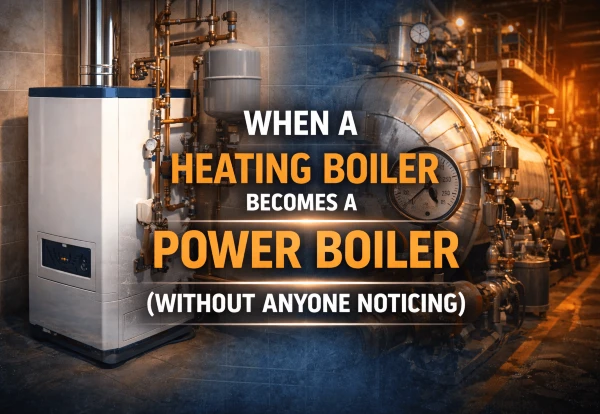
Learn how heating boilers unintentionally cross into ASME Section I power boiler classification, what inspectors look for, and how to avoid costly compliance surprises.
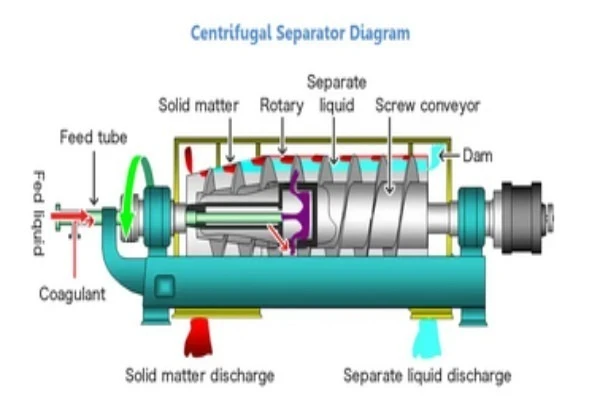
A centrifugal separator typically consists of a rotating bowl or drum. The fluid mixture is introduced into the bowl, and as the bowl spins, the centrifugal force causes the denser particles to move towards the outer wall, while the lighter fluid remains near the...
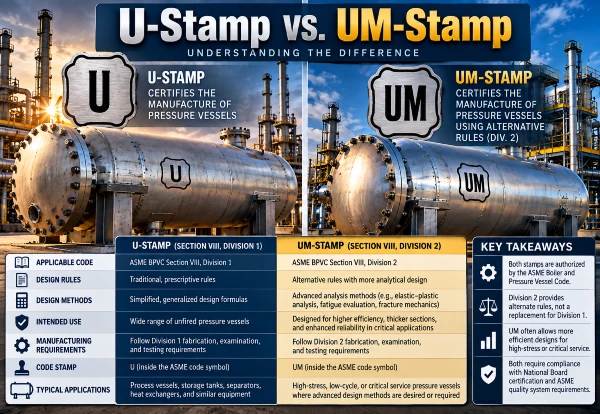
The difference between the U designation and the UM designation is related to size. However, this is not the only difference between the two. UM designated pressure vessels are not required to undergo the same inspection regimen as the larger, U stamped pressure vessels.
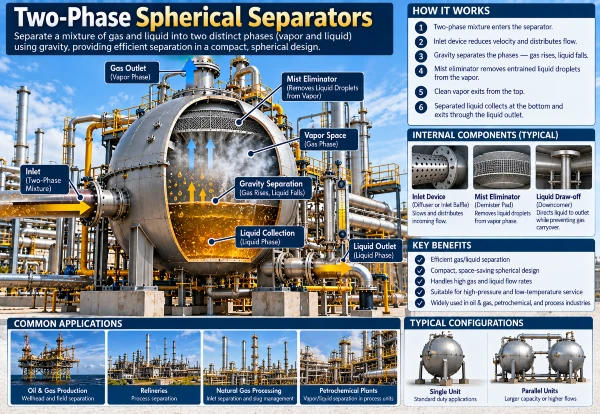
Two-Phase Spherical Separators operate on the principle of gravity separation. When a gas-liquid mixture enters the vessel, the heavier liquid phase settles to the bottom, while the lighter gas phase rises to the top. The unique spherical shape of the vessel promotes efficient separation...
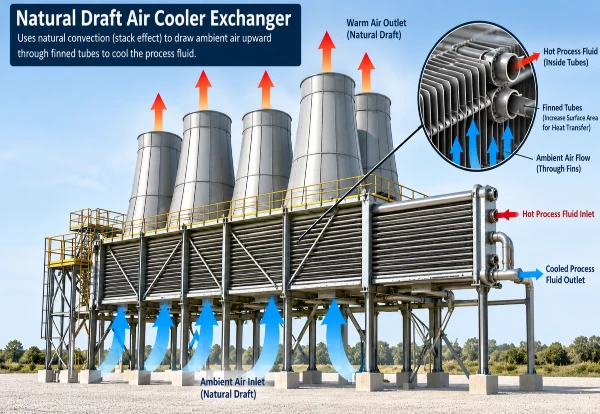
A natural draft air cooler typically consists of a tall, tower-like structure with a large number of finned tubes. The hot process fluid flows through the tubes, and the heat is transferred to the surrounding air. The heated air rises due to natural convection,...
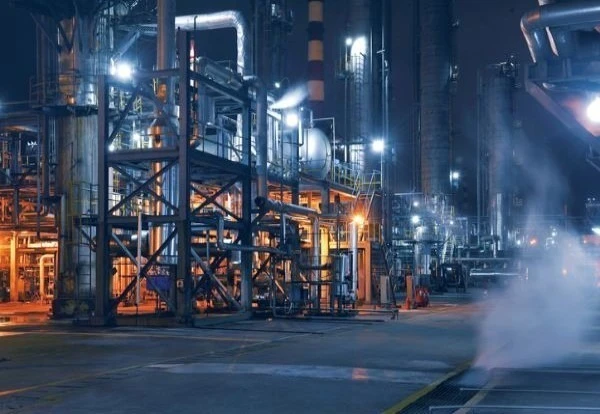
The ASME® B31.1 Code for Power Piping is a widely recognized standard that provides guidelines for the design, fabrication, and installation of piping systems for power plants. This code ensures the safety and reliability of piping systems by establishing rigorous design and construction standards.
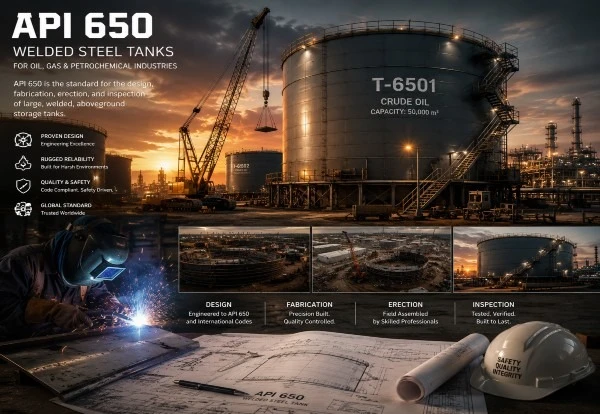
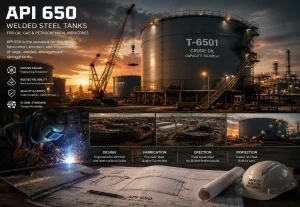
API 650 and API 653 are two of the most common standards associated with aboveground storage tanks. Because both are connected to API storage tanks, they are sometimes confused with each other.
Skid-mounted units, often referred to simply as “skids,” are self-contained process systems or equipment packages that are fabricated
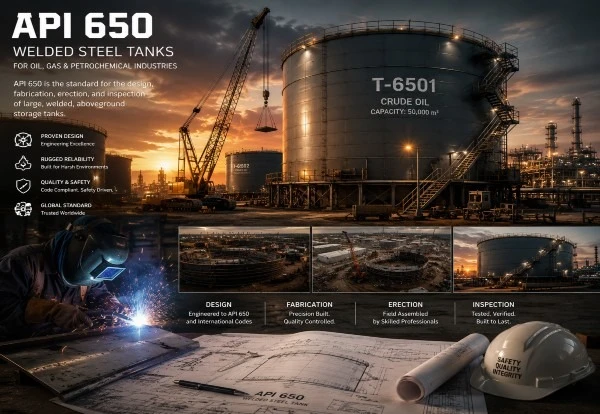
API 650 is the industry standard for the design and construction of large, field-erected storage tanks that operate at atmospheric pressure or low internal pressures (not exceeding 2.5 psig). These tanks are essential for safely storing crude oil, petroleum products, water, chemicals, and other...
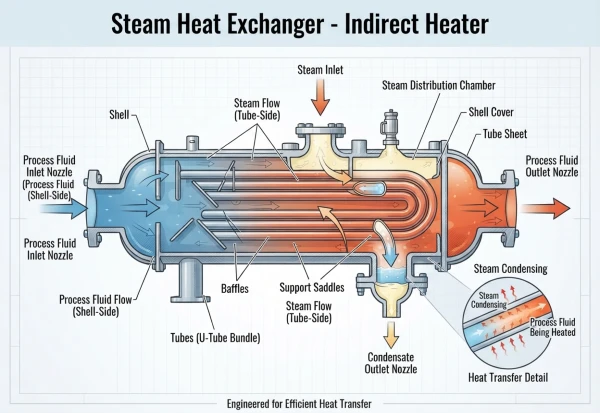
Steam Heat Exchanger - Indirect Heater is used to heat the well effluent after it flows out of the well and prior to the separating process. This type of heat exchanger is also called a direct heating furnace which allows it to heat up...
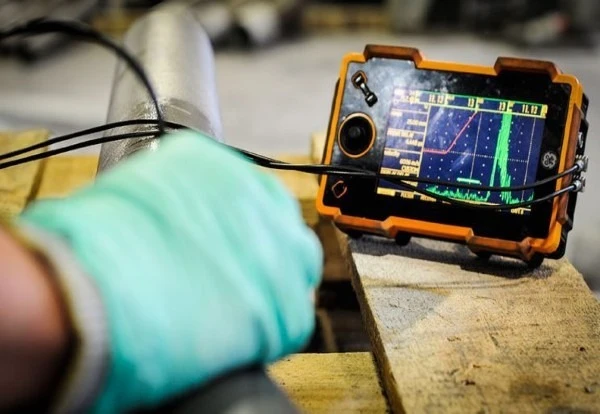
Pictured above: Non-Destructive-Testing Common NDE Techniques Used in U-Stamp Certification: Non-Destructive Examination (NDE) is a crucial aspect of the manufacturing process for pressure vessels and boilers. It involves a variety of techniques to detect flaws and defects without damaging the material. For U-Stamp certified...