

Five basic methods for dehydrating or drying Natural Gas
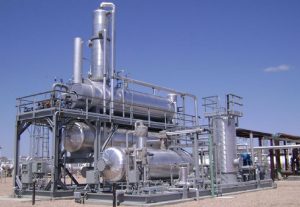
Glycol dehydrators, also known as gas dehydrators or TEG units, are used to remove water vapor from natural gas. The process of dehydration is important for two reasons.
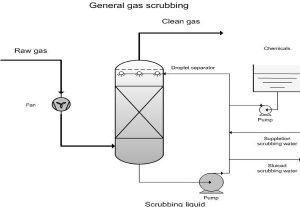
Stringent regulations on air pollution are being implemented globally, urging companies to adopt necessary measures. Gas scrubbers are legally mandated in industries where employees are exposed to potentially contaminated gases, making them a widely employed method for pollution control.
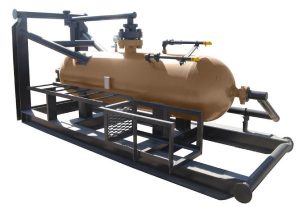
Sand separators are crucial components in various industries, including oil and gas, water treatment, and manufacturing. They are designed to remove solid particles, such as sand, dirt, and scale, from liquid streams. The choice of sand separator depends on various factors, including the type and size of particles to be removed, the flow rate of the liquid, the desired level of separation efficiency, and the specific application requirements.
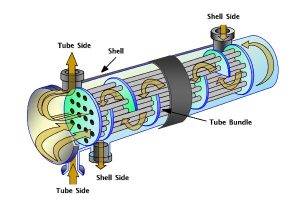
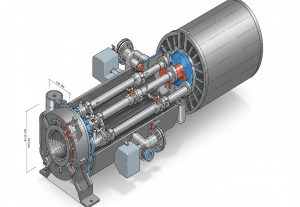
Shell and tube heat exchangers are one of the most common types of heat exchangers used in various industries, including oil and gas, chemical processing, power generation, and HVAC systems. They are versatile and reliable, capable of handling a wide range of fluids and temperature differences.
Cold heat exchangers, also known as condensers, are essential components in refrigeration and air conditioning systems. They transfer heat from a refrigerant to a cooling medium, typically air or water, to condense the refrigerant vapor into a liquid state.
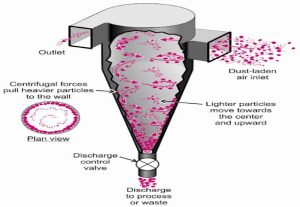
Cyclone separators are a type of mechanical separator that uses centrifugal force to separate solid particles from a gas or liquid stream. They are widely used in various industries, including mining, chemical processing, and environmental engineering.
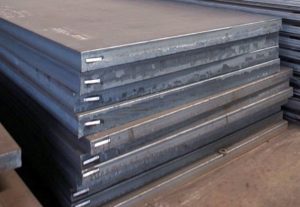
ASME® BPVC Section II, Part A is a critical reference document for engineers and designers involved in the construction of pressure vessels and boilers. It provides a comprehensive list of ferrous materials suitable for use in these applications.
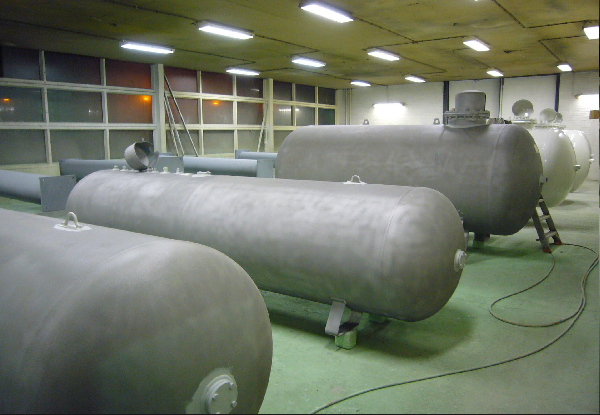
Obtaining a U-Stamp or U2-Stamp from the National Board of Boiler and Pressure Vessel Inspectors (NBBPVI) is a significant achievement for manufacturers and fabricators of pressure vessels and boilers. These certifications signify adherence to rigorous quality, safety, and performance standards.
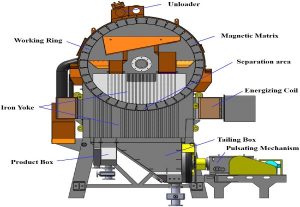
Magnetic separators utilize magnetic forces to separate magnetic materials from non-magnetic materials. They are widely used in various industries, including mining, recycling, and food processing. Magnetic separators are a valuable tool for separating materials based on their magnetic properties. By understanding the principles of magnetic separation and the key design considerations, engineers can optimize the performance of these devices.
Filter separators are widely used in various industries to remove solid particles from liquid streams. They are essential for maintaining product quality, protecting downstream equipment, and ensuring efficient processes.